
Fashion is a powerful way to express personality, creativity, and individual preferences. However, finding comfortable clothing that fits well can sometimes be challenging because standard size ranges do not accommodate every shopper. Fortunately, the fashion industry is gradually recognizing the importance of offering more options. Understanding inclusive fashion sizing can help shoppers explore clothing collections that prioritize comfort, accessibility, and personal style.
Inclusive fashion focuses on making clothing available to people with different measurements, proportions, and practical needs. It encourages brands to expand their size ranges, improve garment construction, and provide accurate information about fit. From everyday outfits to formal clothing, inclusive sizing creates opportunities for more people to enjoy fashion. This guide explores practical styling ideas, current approaches to size inclusion, and inspiration for building a versatile wardrobe.
What Is Inclusive Fashion Sizing?
Inclusive fashion sizing refers to clothing systems designed to accommodate a broader range of body measurements and proportions. Instead of offering only a limited selection of standard sizes, brands may introduce extended size ranges and different fit options. The goal is to improve access to comfortable, well-designed clothing. Inclusive sizing also recognizes that people with similar measurements may prefer different garment styles.
Size inclusion involves more than adding larger or smaller labels to existing garments. Clothing construction, proportions, fabric behavior, and design details all influence fit. A thoughtful approach considers how garments move and feel during everyday activities. This helps brands create clothing that functions appropriately across their offered size range.
Inclusive fashion also supports greater choice in colors, patterns, and clothing categories. Shoppers should not have to sacrifice personal style because their measurements fall outside a limited size chart. Offering varied designs can make fashion more accessible. The overall aim is to provide useful clothing options without presenting one body type as the standard.
Why Inclusive Fashion Sizing Matters
Inclusive sizing matters because clothing is a practical necessity as well as a form of personal expression. People need garments that allow comfortable movement during work, school, exercise, and everyday activities. Limited size availability can make shopping unnecessarily difficult. Expanding clothing options helps more shoppers find items suited to their needs.
Size-inclusive fashion can also improve the overall shopping experience. Clear measurements, varied garment lengths, and consistent product information reduce uncertainty when selecting clothing. Customers can compare options more easily when brands explain how their sizing works. These improvements benefit shoppers across many different sizes.
For clothing businesses, inclusive design encourages closer attention to customer needs. Feedback about fit, fabric, and garment construction can reveal opportunities for improvement. However, meaningful inclusion requires more than promotional messaging. Brands should provide practical sizing options and maintain reliable quality throughout their collections.
Fresh Inclusive Fashion Styling Ideas for Everyday Wear
Everyday fashion can be comfortable, practical, and expressive without following strict styling rules. Simple pieces such as T-shirts, trousers, sweaters, and casual jackets offer numerous combinations. Choosing garments with suitable measurements helps make these outfits easier to wear. Personal preference should guide colors, silhouettes, and accessories.
Relaxed trousers can be paired with a fitted top, oversized shirt, or lightweight sweater. Straight-leg jeans also work with many casual clothing styles. Some people prefer coordinated sets because they simplify outfit planning. Others enjoy mixing different textures and patterns to create a more individual appearance.
Fresh styling ideas often begin with experimenting with clothing already in your wardrobe. A familiar pair of trousers may feel different when combined with a new jacket or colorful accessory. Layering can also create additional outfit combinations. Inclusive fashion encourages exploration rather than limiting styles according to size labels.
How to Find Clothing That Fits Comfortably
Finding comfortable clothing begins with understanding how different garments are measured. Waist, hip, chest, sleeve, and inseam measurements may all influence the fit of particular items. Size labels vary between brands, so comparing actual garment dimensions can be more useful. Reviewing measurement charts before purchasing helps reduce sizing confusion.
Fabric choice also affects comfort because materials behave differently during movement. Stretch fabrics may offer greater flexibility, while structured woven materials provide a different feel. Neither option is automatically better for every person. The right choice depends on the garment’s purpose and individual preferences.
Trying clothing in different positions can help evaluate its practical fit. Sit, walk, reach, and bend comfortably to see how the garment responds. Check whether seams, waistbands, and closures feel suitable during movement. Clothing should support your activities without requiring constant adjustment or discomfort.
Inclusive Fashion Ideas With Jeans and Denim
Denim remains a popular wardrobe essential because it can be styled for casual and smart-casual occasions. Inclusive denim collections may offer different waist measurements, inseam lengths, and garment cuts. This variety helps shoppers choose jeans according to their preferences. A comfortable waistband and suitable leg length are useful starting points.
Straight-leg, relaxed, wide-leg, and tapered jeans each create different outfit possibilities. Straight-leg denim can be paired with casual shirts and jackets, while relaxed styles work with sweaters and simple tops. Wide-leg jeans provide another option for people who enjoy flowing silhouettes. No particular denim style belongs exclusively to one body type.
Denim also comes in different washes, colors, and fabric compositions. Dark blue, black, light wash, and colored jeans can complement different wardrobe pieces. Stretch content and fabric thickness may affect how jeans feel throughout the day. Choosing denim according to comfort and style makes everyday dressing more convenient.
Inclusive Dresses and Skirts for Different Occasions
Dresses and skirts offer flexible styling opportunities for casual gatherings, work settings, and special occasions. Inclusive collections may include different lengths, adjustable closures, and varied garment proportions. These design choices help shoppers explore clothing that fits their preferences. Comfort and mobility should remain important considerations.
Wrap dresses, shirt dresses, and relaxed maxi dresses are examples of versatile designs. Some include adjustable belts or flexible waist details that allow different styling approaches. Skirts can be paired with sweaters, blouses, or casual T-shirts. The best combination depends on the event, weather, and individual taste.
When shopping for dresses, consider shoulder placement, sleeve comfort, and the intended garment length. Skirt fit may also depend on fabric movement and waistband construction. Small alterations can sometimes improve the fit of an otherwise suitable piece. Inclusive styling emphasizes choice rather than prescribing one silhouette for everyone.
How to Style Oversized Clothing Creatively
Oversized fashion has become a familiar option for people who enjoy relaxed silhouettes and comfortable layering. Loose shirts, hoodies, sweaters, and jackets can be combined with different wardrobe essentials. However, oversized clothing should be intentionally designed for a relaxed fit. It should not simply be clothing that fits incorrectly.
An oversized button-down shirt can be worn open over a T-shirt or styled as a main top. Relaxed sweaters may pair with jeans, trousers, or skirts. Some outfits combine several loose pieces, while others mix different garment shapes. Both approaches offer opportunities for personal expression.
Fabric weight and construction influence how oversized clothing moves. Lightweight materials may drape differently from thick sweatshirts or structured jackets. Check sleeve length, shoulder movement, and overall comfort when selecting pieces. The most useful oversized garments provide the appearance you enjoy while supporting practical everyday movement.
Inclusive Fashion Styling With Layering
Layering allows people to create multiple outfits using a smaller collection of clothing. Cardigans, lightweight jackets, overshirts, and blazers can change the appearance of familiar basics. These pieces also provide flexibility during changing weather conditions. Inclusive fashion collections benefit from offering layers with appropriate lengths and comfortable proportions.
A simple layered outfit might combine a plain top, open shirt, and casual trousers. For cooler weather, a cardigan or coat can add warmth. Different textures and colors create visual variety without requiring complicated styling. Choose layers that fit comfortably together rather than restricting arm or shoulder movement.
Cropped jackets, long cardigans, and structured blazers provide different styling possibilities. Their suitability depends on personal preferences rather than a particular clothing size. Experimenting with garment lengths can help you discover combinations you enjoy. Practical layering creates versatile outfits that adapt to different activities and occasions.
Inclusive Workwear and Professional Outfits
Professional clothing should allow people to feel comfortable while meeting the expectations of their workplace. Inclusive workwear collections may offer extended sizing for trousers, shirts, blazers, skirts, and dresses. Accurate measurements are especially important for structured garments. A suitable fit can make long workdays more comfortable.
Tailored trousers can be paired with button-down shirts, knit tops, or simple blouses. Blazers provide another option for creating polished outfits when appropriate. Neutral colors offer flexibility, while brighter shades can express individual style. Workplace dress expectations may vary, so personal choices should reflect the setting.
Some professional garments benefit from minor alterations to sleeve length, hems, or closures. However, shoppers should not need extensive tailoring simply because their measurements differ from a limited size chart. Brands can improve workwear through better pattern development and varied proportions. Comfortable professional clothing supports everyday movement and personal presentation.
Size-Inclusive Activewear and Comfortable Movement
Activewear should support comfortable movement during walking, stretching, sports, and other physical activities. Inclusive athletic clothing may offer extended measurements, adjustable waistbands, and varied garment lengths. These details help individuals find clothing suited to different activities. Performance and comfort are more useful considerations than appearance-based rules.
Leggings, joggers, sports tops, and lightweight jackets are common activewear options. Fabric breathability, stretch, and seam construction can affect how garments feel during movement. Some activities require additional support or specialized materials. Choosing clothing according to its purpose helps create a more practical experience.
When selecting activewear, try movements similar to those you plan to perform. Check whether the garment stays comfortable when walking, bending, or reaching. Avoid waistbands or seams that create unnecessary pressure. Inclusive activewear should provide useful performance features across the sizes offered.
Color and Pattern Ideas for Inclusive Fashion
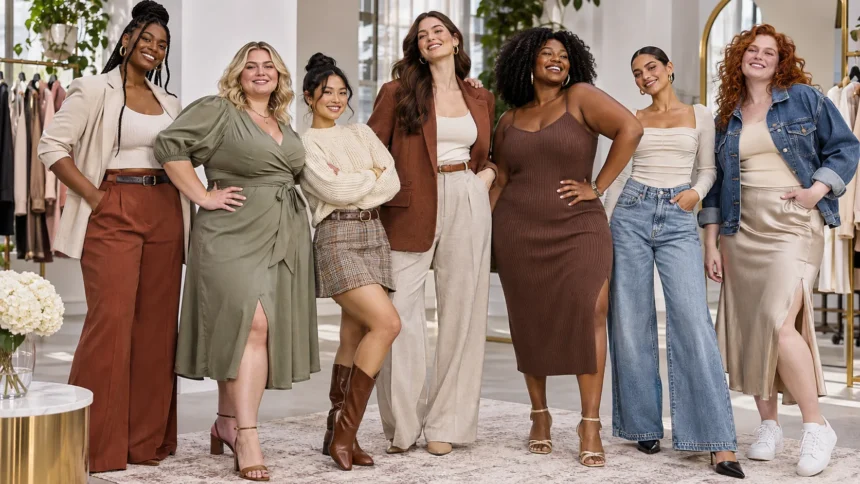
Color is an enjoyable part of personal style because it allows people to express different moods and preferences. Inclusive fashion encourages access to a broad range of colors across clothing sizes. Neutral shades can provide useful wardrobe foundations, while bright tones introduce variety. There is no requirement to avoid particular colors because of body measurements.
Monochromatic outfits use clothing from the same color family to create a coordinated appearance. For example, different shades of blue can be combined through trousers, shirts, and jackets. Contrasting colors offer another styling approach. Both methods work across different garment shapes and sizes.
Patterns such as stripes, florals, checks, and geometric prints provide additional options. Some people enjoy bold combinations, while others prefer subtle details. Mixing patterns can create interesting outfits when the colors work together. Personal preference should guide the result rather than rules that connect specific patterns with body types.
How Accessories Make Inclusive Outfits More Versatile
Accessories provide opportunities to personalize outfits without changing the main clothing pieces. Scarves, belts, bags, jewelry, and hats can introduce new colors or textures. These items also offer practical benefits depending on their design. Inclusive styling considers accessibility and comfort alongside appearance.
Adjustable belts and accessories with flexible sizing can be particularly useful. Bags with comfortable straps may support everyday convenience, while scarves provide warmth or decorative variety. Jewelry with different lengths and fastening options offers additional choice. Product measurements and adjustable features can help shoppers select suitable items.
A single accessory can change the appearance of an otherwise familiar outfit. For example, a colorful bag may complement neutral clothing, while a patterned scarf introduces additional texture. Accessories do not need to be expensive to be effective. Choosing versatile pieces supports creative styling with existing garments.
How Brands Can Improve Inclusive Fashion Sizing
Fashion brands can improve size inclusion by developing clothing patterns for a wider range of measurements and proportions. Simply enlarging one original pattern may not produce an appropriate fit across every size. Thoughtful grading and fitting processes help maintain garment quality. These practices require attention during product development.
Customer feedback can provide valuable information about fit problems and unavailable sizes. Brands may identify recurring concerns involving sleeves, waistbands, inseams, or fabric construction. Testing garments across different size groups can help address these issues. Accurate feedback is useful when businesses translate it into practical improvements.
Clear product information is another important part of inclusive fashion. Brands should provide detailed size charts, garment measurements, and useful descriptions of intended fit. Photographs showing products on different models may offer additional context. Transparency helps customers make informed decisions and reduces uncertainty when shopping.
Inclusive Fashion Shopping Tips for Online Stores
Online shopping can provide access to clothing collections that may not be available locally. However, differences between brand sizing systems can make purchasing difficult. Begin by reviewing measurement charts and checking specific garment dimensions. Avoid assuming that a familiar size label will fit identically across retailers.
Customer reviews may provide useful information about fabric quality, garment length, and overall fit. Product descriptions can also explain whether clothing is designed to be fitted, relaxed, or oversized. Look for detailed photographs and accurate material information. These details help create realistic expectations before ordering.
Return policies should be reviewed before completing a purchase. Some retailers apply different conditions to discounted, customized, or final-sale items. Delivery charges and return shipping costs may also affect affordability. Careful shopping decisions help reduce unnecessary spending and improve the likelihood of finding suitable clothing.
Affordable Inclusive Fashion Ideas
Building an inclusive wardrobe does not require purchasing expensive designer clothing. Affordable basics can provide a foundation for numerous everyday outfits. T-shirts, trousers, knitwear, and comfortable outerwear are useful starting points. Choosing versatile pieces can reduce the need for frequent shopping.
Secondhand clothing stores, clothing exchanges, and resale platforms may offer additional fashion options. However, size availability can vary considerably between sellers. Reviewing measurements and garment condition is important when shopping for previously owned items. Simple alterations may also make certain pieces more comfortable.
Planning purchases around actual wardrobe needs helps avoid unnecessary expenses. Before buying, consider whether a garment works with clothing you already own. Prioritizing fit, comfort, and usefulness often provides better long-term value. Affordable fashion can still support creativity and personal expression.
Common Inclusive Fashion Sizing Challenges
One major challenge in inclusive sizing is inconsistency between clothing brands. A size label may represent different measurements depending on the manufacturer. This makes shopping less predictable and can increase returns. Detailed size charts help, but standardized measurement information would make comparisons easier.
Another challenge involves limited style availability across extended size ranges. Some retailers offer inclusive sizing only for basic garments while excluding certain fashionable or formal collections. This can restrict customer choice. Meaningful inclusion involves providing varied styles rather than treating extended sizes as an afterthought.
Garment proportions can also create difficulties even when the labeled size appears correct. Sleeve length, rise, shoulder placement, and inseam measurements may not suit every individual. Different fit options can help address these concerns. Understanding these limitations encourages more informed shopping decisions and better product development.
How to Build a Size-Inclusive Personal Wardrobe
Creating a versatile wardrobe begins with identifying clothing that supports your everyday activities. Consider your preferred fabrics, colors, silhouettes, and practical needs. Choose garments that feel comfortable and combine easily with existing pieces. The objective is to create useful options rather than follow a rigid fashion formula.
A collection of everyday tops, suitable trousers, comfortable footwear, and weather-appropriate layers can support many outfit combinations. Dresses, skirts, or formal pieces may be added according to personal preferences. Accessories provide additional variety. Reviewing your existing wardrobe helps identify what is genuinely missing.
Wardrobe building can happen gradually rather than through large purchases. Clothing needs and style preferences may change over time, so flexibility is useful. Repairing, altering, or restyling existing garments can extend their usefulness. An inclusive personal wardrobe prioritizes comfort, choice, and practical self-expression.
Conclusion
Inclusive fashion sizing helps make clothing more accessible by recognizing that shoppers have different measurements, proportions, and preferences. Meaningful inclusion involves appropriate garment construction, varied size options, and accurate product information. These improvements make it easier to find comfortable clothing for everyday life. They also support greater freedom in personal styling.
Fresh fashion ideas can include relaxed denim, colorful outfits, layered clothing, versatile dresses, and comfortable activewear. No particular silhouette or color needs to be restricted to one clothing size. Experimenting with different combinations helps people discover what they enjoy wearing. Practical fit and comfort remain central to useful wardrobe choices.
Ultimately, inclusive fashion is about providing meaningful choices rather than promoting one standard of appearance. Brands can contribute through thoughtful design, clear measurements, and broader style availability. Shoppers can explore clothing that reflects their interests and daily needs. A more inclusive approach makes fashion easier to enjoy across different sizes and lifestyles.
Frequently Asked Questions (FAQs)
What does inclusive fashion sizing mean?
Inclusive fashion sizing means offering clothing designed for a broader range of body measurements and proportions. It involves extended size options, thoughtful garment construction, accurate measurement information, and greater access to different clothing styles.
Why is size inclusivity important in fashion?
Size inclusivity helps more people find comfortable clothing suited to their needs and preferences. It also encourages brands to improve product design, expand clothing options, and provide clearer information about fit.
What are some easy inclusive fashion styling ideas?
Try relaxed jeans with simple tops, wide-leg trousers with sweaters, layered jackets, colorful dresses, or coordinated sets. Choose combinations that support comfort, everyday activities, and personal style preferences.
How can I find the right clothing size when shopping online?
Compare your measurements with the retailer’s size chart and review specific garment dimensions. Check fabric information, product photographs, customer feedback, and return policies before making a purchase.
How can fashion brands become more size-inclusive?
Brands can expand size ranges, develop patterns for different proportions, test garments across multiple sizes, and provide accurate measurements. Offering varied styles and listening to customer feedback also supports meaningful inclusion.