

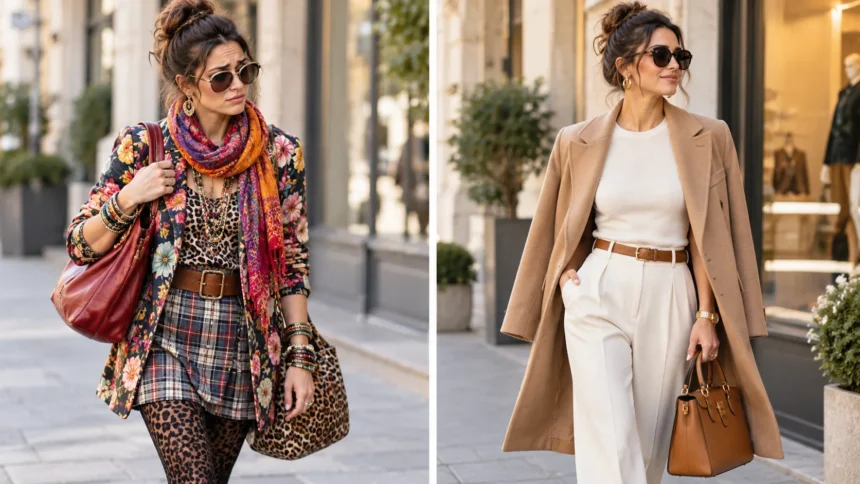
Fashion is a way to express your personality, creativity, and individual preferences through clothing. However, putting together an outfit can sometimes feel confusing, especially when trends, colors, fabrics, and different styles compete for attention. Understanding common fashion mistakes to avoid can make everyday dressing simpler, more comfortable, and more enjoyable.
Many styling problems come from choosing clothes that do not suit the occasion, ignoring comfort, or buying items without considering how they work with an existing wardrobe. These situations do not mean that someone has bad fashion sense. Small changes in outfit planning, fabric selection, and clothing care can often improve the overall experience.
Learning how to wear clothes well does not require following strict fashion rules or purchasing expensive designer pieces. Instead, it involves understanding personal preferences, experimenting with combinations, and choosing clothing that supports everyday activities. This guide explores common fashion mistakes, practical styling solutions, and easy ways to create versatile outfits.
Understanding Common Fashion Mistakes
Fashion mistakes are often described as clothing choices that create practical problems or do not achieve the appearance someone intended. These may include uncomfortable fabrics, unsuitable footwear, or outfits that do not match the setting. However, fashion is subjective, and personal expression does not need to follow one universal standard.
For example, wearing formal shoes during a long outdoor walk may create discomfort, even if the shoes complement the outfit. Similarly, choosing heavy clothing during hot weather can make everyday activities less enjoyable. These situations are better understood as practical styling challenges rather than personal shortcomings.
The most useful approach is to evaluate clothing according to comfort, functionality, and personal preference. A combination that works well for one person may not suit another person’s lifestyle or activities. Understanding this flexibility makes fashion more accessible. It also encourages experimentation without unnecessary pressure to follow every trend.
Wearing Clothes That Feel Uncomfortable
One common styling mistake is choosing clothing that looks appealing but feels uncomfortable during normal activities. Some fabrics, cuts, or clothing details may restrict movement or cause irritation. An outfit that requires constant adjustment can become inconvenient throughout the day. Comfort should therefore be considered alongside appearance when selecting clothes.
Before choosing an outfit, think about the activities planned for the day. Clothing suitable for a formal dinner may not be practical for traveling, walking, or outdoor events. Trying different fits and fabrics can help identify what feels comfortable. Personal preferences should guide these decisions rather than arbitrary styling rules.
Comfortable clothing can still reflect creativity and personal style. Relaxed trousers, breathable shirts, soft knitwear, and supportive footwear can be combined in many different ways. Small accessories or color choices can add individuality without reducing practicality. The goal is to feel comfortable while wearing an outfit that suits your preferences.
Following Every Fashion Trend
Fashion trends introduce new colors, silhouettes, materials, and outfit ideas throughout the year. They can provide inspiration and encourage people to experiment with different clothing combinations. However, following every trend may lead to unnecessary purchases or a wardrobe filled with pieces that receive little use.
A trending item is not automatically suitable for every lifestyle or personal preference. For example, a particular jacket style may be popular but uncomfortable in your local climate. Similarly, highly specialized clothing may not work with items you already own. Considering usefulness before purchasing helps create a more practical wardrobe.
Instead of adopting every new trend, select ideas that genuinely interest you. You can incorporate a fashionable color, accessory, or clothing detail into familiar outfits. This approach creates room for experimentation while maintaining personal consistency. Trends are most enjoyable when treated as optional inspiration rather than requirements.
Ignoring the Occasion When Choosing Outfits
Different occasions often involve practical clothing expectations related to activities, environment, or cultural customs. An outfit suitable for a relaxed weekend may not be appropriate for certain workplaces or formal events. Understanding the setting helps make clothing decisions easier. It also reduces the need for last-minute outfit changes.
For example, a casual gathering may allow comfortable jeans, T-shirts, and sneakers. A formal event might involve more structured clothing or a specified dress code. Outdoor activities may require protective layers and practical footwear. These differences concern the needs of the occasion rather than the value of particular fashion styles.
Checking event details before selecting clothes can prevent unnecessary confusion. Consider the location, weather, activities, and any stated clothing requirements. You can still express your personality through color, fabric, and accessories. Dressing appropriately does not mean abandoning your individual preferences.
Choosing Colors Without Considering the Overall Outfit
Color combinations can influence the mood and visual character of an outfit. Some people prefer neutral palettes, while others enjoy bright colors and contrasting shades. Neither approach is inherently better. However, selecting several items without considering how their colors interact may produce an appearance different from what you intended.
A simple starting point is to choose one clothing item and build the remaining outfit around it. For example, blue jeans can be combined with a white shirt and a colorful cardigan. A patterned top can also be paired with neutral trousers. These combinations provide structure while leaving room for personal expression.
Color coordination does not require every item to match perfectly. Complementary colors, contrasting shades, and monochromatic combinations can all create interesting outfits. Experimenting with different palettes helps you understand which combinations you enjoy. Fashion becomes more flexible when colors are treated as creative choices rather than strict rules.
Wearing Too Many Statement Pieces at Once
Statement pieces are clothing items or accessories designed to attract attention through bold colors, patterns, or distinctive details. Examples include patterned jackets, colorful bags, and unusual footwear. These pieces can make everyday outfits more expressive. However, combining several strong elements may create a busier appearance than intended.
If your goal is to highlight a particular statement item, simpler surrounding pieces can help bring attention to it. For example, a colorful jacket may be paired with plain trousers and a neutral top. A patterned skirt can work with a simple shirt. This creates contrast between decorative and understated clothing.
There is also nothing wrong with maximalist fashion, which intentionally combines bold patterns, colors, and accessories. The important consideration is whether the final outfit reflects your intended style. Some people enjoy expressive combinations, while others prefer minimalism. Understanding your desired appearance helps determine how many statement pieces to include.
Forgetting the Importance of Basic Clothing
Wardrobe basics provide flexible clothing options that can support many different outfits. Common examples include plain T-shirts, jeans, comfortable trousers, button-down shirts, and simple sweaters. These pieces are useful because they work with different colors and styles. A wardrobe containing only specialized statement pieces may offer fewer everyday combinations.
For example, a plain white T-shirt can be worn with jeans, a casual skirt, or tailored trousers. A simple cardigan can provide an additional layer over several different tops. These combinations reduce the need to plan completely separate outfits for every occasion. Basics make everyday styling more convenient.
However, wardrobe essentials are not identical for everyone. Someone living in a warm climate may prefer lightweight shirts, while another person may need additional winter layers. Cultural preferences and daily activities also influence clothing choices. The most useful basics are pieces that fit your actual lifestyle.
Overlooking Fabric Quality and Comfort
Fabric affects how clothing feels, moves, and performs during everyday activities. Different materials offer different levels of breathability, warmth, softness, and durability. Choosing fabric without considering these characteristics may lead to discomfort or additional maintenance. Understanding common textile properties can make shopping decisions easier.
Cotton is often appreciated for its softness and breathability, while wool and certain synthetic blends can provide warmth. Linen may be useful in warm weather, although it wrinkles easily. Performance fabrics can offer practical features for particular activities. The ideal choice depends on the intended use and personal comfort.
Fabric quality does not always correspond directly to price. Examining seams, stitching, texture, and care instructions can provide useful information about a garment. Well-maintained clothing may remain practical for a long time. Choosing suitable materials helps create outfits that are both comfortable and functional.
Wearing the Wrong Shoes for the Activity
Footwear plays an important role in everyday comfort and mobility. Shoes that do not suit the planned activity can make walking, standing, or traveling unnecessarily difficult. A pair may look attractive but lack the support or protection needed for certain environments. Matching footwear to the situation is therefore important.
For long walking days, comfortable shoes with suitable cushioning and support are often practical. Formal occasions may involve different footwear choices, depending on the dress code. Rainy weather can require water-resistant materials and appropriate grip. Considering these conditions helps avoid unnecessary discomfort.
Shoes can also influence the overall appearance of an outfit. Sneakers create a casual atmosphere, while loafers or other structured footwear may suit smart-casual settings. Different styles can work with the same clothing combination. Practical needs and personal preferences should guide the final choice.
Not Dressing for the Weather
Weather conditions can influence how comfortable an outfit feels throughout the day. Heavy fabrics may become uncomfortable in hot temperatures, while lightweight clothing may provide insufficient warmth during cold weather. Ignoring the forecast can create practical difficulties. Choosing weather-appropriate clothing helps make daily activities more enjoyable.
During warmer months, breathable fabrics and lightweight layers can support comfort. In colder conditions, sweaters, jackets, and insulating materials provide additional warmth. Rain may require suitable outerwear and footwear. The appropriate combination depends on local weather conditions and how much time you expect to spend outdoors.
Layering is particularly useful when temperatures change between morning and evening. A lightweight jacket or cardigan can be removed when conditions become warmer. Accessories such as hats and scarves may also serve practical purposes. Planning for the weather helps clothing remain functional without limiting personal style.
Ignoring Clothing Care Instructions
Clothing care is an important part of maintaining a practical wardrobe. Different fabrics require different washing, drying, and storage methods. Ignoring care labels may cause shrinking, color fading, or damage to delicate materials. Understanding these instructions helps preserve clothing quality and extend garment life.
Some garments can be machine washed, while others require gentler cleaning methods. Certain fabrics should be dried at lower temperatures or kept away from excessive heat. Separating items when necessary can also reduce color transfer. These small habits make clothing maintenance more manageable.
Proper storage can help keep garments organized and ready to wear. Folding knitwear may prevent unwanted stretching, while hanging suitable shirts can reduce wrinkles. Cleaning footwear according to material requirements also supports durability. Taking care of existing clothes can be more useful than frequently purchasing replacements.
Buying Clothes Without Planning Outfits
Shopping without considering existing wardrobe pieces can lead to clothes that are difficult to combine. An item may look attractive on its own but work with few other garments you own. This can make outfit planning more complicated. Evaluating possible combinations before buying encourages practical decisions.
One approach is to imagine several occasions when you might wear a particular item. Consider whether it can be paired with familiar trousers, shirts, jackets, or shoes. The clothing does not need to match everything in your wardrobe. However, having a few realistic combinations can make it more useful.
Shopping thoughtfully also allows personal style to develop gradually. You do not need to create an entirely new wardrobe whenever your preferences change. Adding selected pieces over time provides opportunities to experiment. A practical wardrobe is built around clothing that you enjoy wearing regularly.
Forgetting About Accessories
Accessories provide opportunities to change an outfit without replacing its main clothing pieces. Common examples include watches, scarves, bags, belts, hats, and simple jewelry. These items can introduce color, texture, or functional details. They are useful for adapting familiar outfits to different occasions.
For example, a plain shirt and trousers can be paired with a colorful scarf or an interesting bag. A casual outfit may also include a practical backpack or simple watch. Different accessories can change the overall impression while maintaining comfort. Their purpose can be decorative, practical, or both.
Accessories are optional rather than necessary for a complete outfit. Some people prefer minimal details, while others enjoy expressive combinations. Selecting items that feel comfortable and suit daily activities is most important. Thoughtful accessory choices allow personal expression without requiring complicated styling techniques.
Wearing Clothes That Do Not Match Your Lifestyle
A wardrobe becomes less practical when it contains many items that do not suit everyday activities. For example, someone who works from home may have different clothing needs from someone attending formal events regularly. Travel, climate, and cultural expectations also influence useful clothing choices. Understanding your routine helps guide wardrobe decisions.
Consider the situations that make up most of your week. Comfortable casual pieces may be useful for everyday activities, while structured outfits might be needed for professional occasions. Seasonal clothing should also reflect local weather. These considerations help ensure that your wardrobe supports your actual lifestyle.
Personal style can still be creative and varied within practical requirements. You can experiment with different colors, patterns, and silhouettes while prioritizing comfort. There is no need to own clothing for occasions that rarely occur. Choosing useful pieces makes everyday dressing simpler and more enjoyable.
Copying Someone Else’s Style Completely
Fashion inspiration can come from celebrities, social media, magazines, friends, and online creators. Observing different outfits helps people discover interesting color combinations and clothing ideas. However, copying another person’s entire wardrobe may not reflect your preferences or practical needs. Personal style develops through experimentation rather than imitation alone.
An outfit seen online may use clothing designed for a different climate, event, or daily routine. The same combination may feel less practical in your circumstances. Instead of reproducing every detail, consider which elements interest you. A particular color combination or layering technique may be more useful than the complete outfit.
Fashion inspiration works best when adapted to individual preferences. You can combine ideas from different sources and experiment with clothing you already own. Personal expression does not require matching another person’s appearance. Developing your own style means identifying what you genuinely enjoy wearing.
Avoiding Personal Style Experimentation
One common fashion limitation is avoiding unfamiliar combinations because they seem different from usual habits. Wearing familiar clothing can be comfortable and practical, but experimenting occasionally may reveal new preferences. Small changes are often enough to explore different styles. Fashion does not require dramatic transformations.
For example, someone who usually wears neutral colors might experiment with a brighter shirt or patterned accessory. Another person may try layering a cardigan over a familiar outfit. Different footwear can also change the overall appearance. These experiments allow gradual exploration without requiring additional purchases.
Not every experiment needs to become part of your everyday wardrobe. Some combinations may feel enjoyable, while others may not suit your preferences. Both outcomes provide useful information about personal style. Approaching fashion with curiosity makes it easier to develop confidence in your clothing decisions.
How to Create Better Everyday Outfits
Creating everyday outfits becomes easier when you start with the activity and setting. Consider whether the day involves walking, studying, working, traveling, or attending a social event. Choose comfortable clothing suitable for those activities. Practical planning reduces unnecessary adjustments later in the day.
A simple outfit formula might combine a plain top, comfortable trousers, and appropriate footwear. Layers can be added according to temperature, while accessories provide personal details. Different colors and fabrics allow many variations. This approach works well because it uses familiar clothing rather than requiring complicated combinations.
Over time, you may discover a few outfit combinations that consistently feel comfortable and useful. These can serve as starting points for future styling. Experimenting with different pieces keeps the wardrobe interesting. Everyday fashion becomes easier when personal preferences guide the process.
Building a Wardrobe That Works for You
A useful wardrobe contains clothing that supports daily activities and reflects personal preferences. It does not need to include every fashionable trend or a predetermined number of garments. Instead, focus on pieces that are comfortable, versatile, and suitable for your environment. This approach makes wardrobe planning more practical.
Start by reviewing the clothing you already own and identifying combinations you enjoy wearing. Consider which items work across different occasions and weather conditions. Organizing garments by type or season can make outfit planning easier. You may also discover useful pieces that have been overlooked.
Building a wardrobe is an ongoing process because clothing needs and preferences can change. Repairing, maintaining, or restyling existing items may be sufficient for many situations. When purchasing something new, consider how it fits into your routine. A thoughtful wardrobe supports self-expression without unnecessary pressure or complicated rules.
Conclusion
Understanding common fashion mistakes to avoid can make everyday styling more comfortable, practical, and enjoyable. Many challenges involve clothing choices that do not suit the weather, activity, or personal preferences. Paying attention to fabric, footwear, wardrobe versatility, and garment care helps improve the overall dressing experience.
Fashion does not require following every trend or purchasing expensive clothing. Basic wardrobe pieces, thoughtful color combinations, and simple layering techniques offer many styling possibilities. Accessories and statement items can add personality when desired. Experimenting with existing clothes is often enough to create fresh combinations.
Ultimately, knowing how to wear clothes well means developing a personal approach that supports comfort and self-expression. There is no single set of fashion rules that works for everyone. By choosing clothing that fits your lifestyle and exploring styles you enjoy, you can create a wardrobe that feels practical, flexible, and genuinely personal.
Frequently Asked Questions
What Are the Most Common Fashion Mistakes?
Common fashion mistakes include ignoring comfort, choosing unsuitable footwear, overlooking clothing care, and buying items that do not match existing wardrobe pieces. These issues can make everyday dressing less practical or convenient.
How Can I Improve My Everyday Fashion Style?
Start with comfortable wardrobe basics and experiment with colors, layers, and accessories. Choose outfits that suit your activities and personal preferences rather than trying to follow every fashion trend.
How Can I Make Simple Clothes Look More Interesting?
Combine simple clothes with different textures, outerwear, or accessories. A plain shirt and jeans can create several looks when paired with different jackets, shoes, scarves, or bags.
Should I Follow Every New Fashion Trend?
No. Fashion trends are optional sources of inspiration. Choose styles that interest you and suit your lifestyle, comfort, and wardrobe rather than feeling required to adopt every popular clothing trend.
How Do I Find My Personal Fashion Style?
Explore different outfits, identify clothing you enjoy wearing, and experiment with combinations using your existing wardrobe. Consider comfort, daily activities, and personal preferences while allowing your style to develop naturally.