

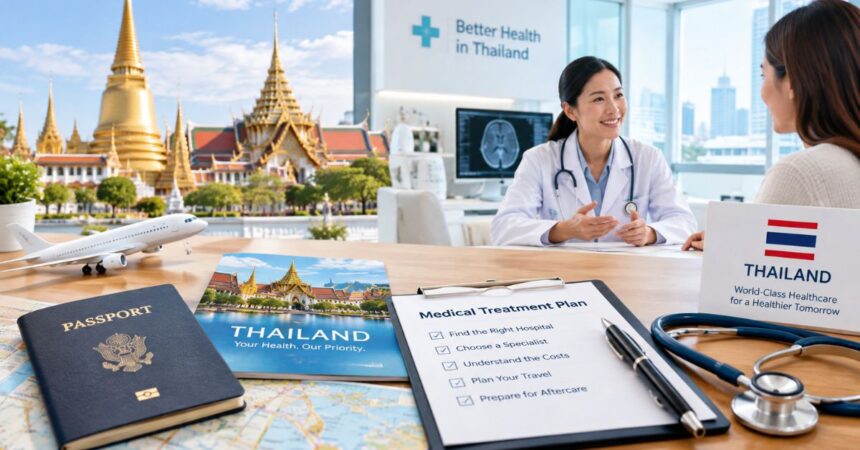
Thailand has spent the better part of two decades building a reputation as one of the world’s most trusted destinations for medical care outside a patient’s home country. What started as a niche option for cosmetic procedures has grown into a full ecosystem covering cardiology, orthopedics, dental work, fertility treatment, and complex surgeries, all delivered by hospitals that meet international accreditation standards. For anyone weighing whether to travel abroad for treatment, understanding how the system actually works from choosing a hospital to budgeting for aftercare makes the difference between a smooth experience and a stressful one.
The appeal isn’t just about lower prices, though cost savings are real and substantial. It’s about combining quality care with a level of hospitality that’s hard to find in busier, more transactional healthcare markets. Thai hospitals catering to international patients tend to run dedicated coordination desks, offer multilingual staff, and build recovery time into the patient’s stay so that treatment doesn’t feel rushed. Before booking anything, it helps to consult a resource that lays out the full picture rather than piecing information together from scattered forum posts. Platforms like ThaiCheckup, Medical tourism Thailand exist precisely for this reason, gathering details on clinics, procedures, and realistic cost ranges in one place so patients can compare options before committing to a trip.
Why Thailand Became a Medical Tourism Hub
Several factors converged to make Thailand a preferred destination rather than just a cheaper alternative. The country invested early in hospital accreditation, with a number of major private hospitals earning recognition from international bodies that audit clinical standards, patient safety protocols, and infection control. That accreditation matters because it gives foreign patients a benchmark they can verify independently, rather than relying solely on marketing claims.
Thailand also built a large pool of specialists trained both domestically and abroad, many of whom completed fellowships or residencies in the US, UK, Australia, or Japan before returning home. This has created a workforce that’s familiar with Western clinical protocols but operates within a healthcare system that has lower overhead costs a combination that keeps quality high while keeping prices well below what the same procedures would cost in the US or parts of Western Europe.
Finally, the logistics simply work. Bangkok and Phuket are major international air hubs, tourist infrastructure is mature, and the cost of living during recovery hotels, food, transport is modest compared to most Western countries. A patient can combine treatment with a few weeks of recovery in a comfortable setting without the total trip cost approaching what the procedure alone would cost at home.
Common Procedures Sought by International Patients
Dental and Cosmetic Dentistry
Dental tourism is one of the most common entry points into Thai medical travel. Patients arrive for implants, veneers, crowns, and full-mouth reconstructions, often saving 50 to 70 percent compared to prices in North America or Western Europe. Because many dental procedures require multiple visits spaced over days or weeks, Thailand’s combination of affordability and pleasant surroundings makes the waiting periods between appointments far less tedious than they would be elsewhere.
Cosmetic and Plastic Surgery
Thailand has a long-established cosmetic surgery sector, with surgeons experienced in everything from rhinoplasty to body contouring. Reputable clinics require in-person consultations, proper pre-operative testing, and realistic timelines for recovery patients should be wary of any provider promising same-week surgery-and-sightseeing packages, since safe healing takes precedence over tourist schedules.
Orthopedic and Joint Procedures
Knee and hip replacements are increasingly common among medical travelers, particularly from countries with long public healthcare waiting lists. Thai orthopedic centers often use the same implant brands used in Western hospitals, and bundled packages typically include the surgery, hospital stay, and a structured physiotherapy plan.
Cardiac Care
Thailand’s larger private hospitals run full cardiac programs, including bypass surgery, valve repair, and angioplasty. These procedures require more careful vetting of a hospital’s track record, since outcomes data and surgeon experience matter enormously in cardiac cases.
Fertility Treatment
IVF and related fertility services attract patients from across Asia, the Middle East, and increasingly from Western countries where fertility treatment is either expensive or tightly regulated. Thai fertility clinics generally offer transparent per-cycle pricing, which makes budgeting more predictable than in markets where costs escalate with add-on services.
How Costs Compare
Pricing is the factor most patients research first, and for good reason the gap between Thailand and countries like the US can be dramatic. A dental implant that costs several thousand dollars in the US might run a fraction of that in Bangkok. Hip replacement surgery frequently costs 60 to 80 percent less than equivalent procedures in the US, even after factoring in flights and accommodation.
That said, cost comparisons only mean something when they’re apples-to-apples. A low headline price that excludes anesthesia, follow-up visits, medication, or physiotherapy isn’t actually cheaper once those extras are added back in. Patients should always request a full itemized quote before traveling, covering the procedure itself, hospital stay, medications, follow-up consultations, and any recommended aftercare.
Choosing the Right Hospital or Clinic
Not all facilities marketing themselves to international patients operate at the same standard. A few practical checks go a long way:
Accreditation. Look for hospitals accredited by recognized international bodies, not just local certifications. This is one of the clearest signals of consistent clinical governance.
Surgeon credentials. Ask directly about a surgeon’s training, years of experience, and how many times they’ve performed the specific procedure in question. Reputable providers answer this without hesitation.
Communication before arrival. A hospital that takes time to review medical records, ask detailed questions, and set realistic expectations before you book flights is generally more trustworthy than one that rushes to confirm a surgery date.
Aftercare planning. Ask how follow-up care is handled once you’re back home. Good providers offer remote consultations or coordinate with a local doctor for post-operative monitoring.
Patient reviews from verified sources. Testimonials on a clinic’s own website are marketing material. Independent reviews, patient forums, and third-party medical tourism platforms tend to give a more balanced picture.
Practical Considerations Before Booking
Travel Insurance and Medical Insurance
Standard travel insurance rarely covers elective medical procedures, and complications from surgery are usually excluded entirely. Patients considering treatment in Thailand should look into specialized medical travel insurance or confirm directly with their provider what happens, financially and logistically, if something goes wrong.
Recovery Timeline
Rushing recovery to catch a flight home is one of the most common mistakes medical travelers make. Surgeons will typically specify a minimum number of days before it’s safe to fly, particularly after procedures involving general anesthesia or significant tissue healing. Building extra buffer days into the itinerary, rather than cutting it close, reduces both medical risk and travel stress.
Language and Documentation
Most major hospitals serving international patients have English-speaking staff and coordinators, but it’s still worth requesting written treatment plans and discharge summaries in your own language, both for your records and for any follow-up care back home.
Visa Requirements
Thailand offers visa categories relevant to medical travelers, including extended tourist visas that can accommodate longer recovery periods. Requirements change periodically, so it’s worth checking current rules close to the travel date rather than relying on older information.
Red Flags to Watch For
A few warning signs are worth taking seriously. Be cautious of providers that refuse to give a detailed written quote, pressure you to book quickly with limited information, or can’t clearly explain who will be performing the procedure. Package deals that bundle surgery with heavy tourism itineraries in the days immediately following an operation are another signal that patient safety may not be the top priority. Legitimate clinics build recovery time into their plans as a matter of course, not as an afterthought.
Final Thoughts
Medical travel to Thailand can offer genuine value high clinical standards, experienced specialists, and meaningful cost savings but only when patients approach it with the same diligence they’d apply to choosing a hospital at home. Researching accreditation, verifying surgeon experience, getting a full itemized quote, and planning realistic recovery time are not optional extras; they’re what separates a well-managed medical trip from a risky one. With the right preparation, Thailand remains one of the more reliable options for patients seeking quality care without the price tag they’d face elsewhere.