

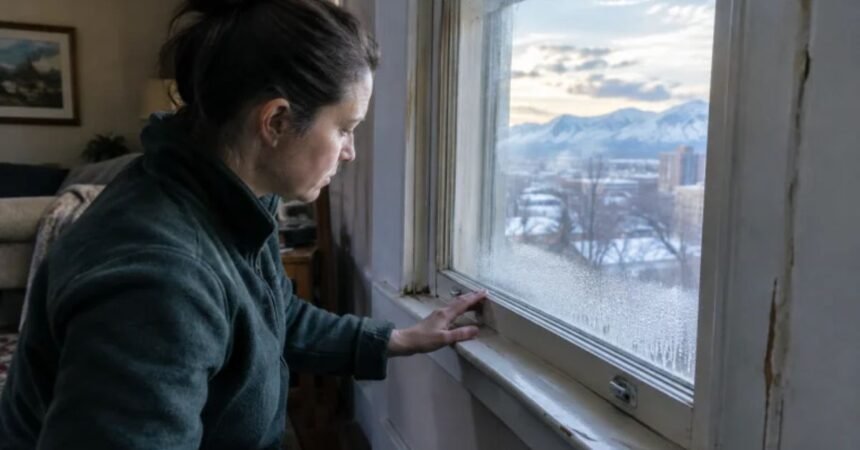
Key Takeaways
- Drafty windows, fogged glass, water damage, and hard-to-operate sashes can indicate different window problems.
- Some windows need a repair or a new insulated glass unit, while others need a complete replacement.
- Frame condition, energy ratings, glass options, and installation quality all affect long-term performance.
- Written quotes should explain product details, labor, trim, cleanup, warranties, and possible added work.
- Preparation and a final walkthrough can help catch issues before the project is complete.
Salt Lake City homeowners ask a lot from their windows. They need to handle bright sun, cold-season drafts, changing temperatures, and everyday use without becoming difficult to open or maintain. If you are beginning to consider window replacement in Salt Lake City, start with the condition of your current windows rather than choosing a style or price point first.
A successful project is not just about new glass. It depends on an accurate diagnosis, a window suited to the home, clear installation details, and a careful final inspection. This checklist can help you make decisions confidently while avoiding costly assumptions.
Table Of Contents
- Why Homeowners Replace Windows
- Warning Signs To Check First
- Repair, Glass Replacement, Or Full Replacement?
- Window Types And Frame Choices
- Energy Ratings That Matter
- How To Compare Quotes
- What Quality Installation Includes
- Preparing The Home And Final Inspection
- Common Questions
Why Homeowners Replace Windows
Replacement windows may improve comfort near the glass, reduce unwanted air movement, simplify cleaning, and restore reliable operation. For example, a bedroom on the north side of a Salt Lake City home may feel chilly near an older window even when the thermostat says the room is comfortable.
Replacement is not always the first answer. Still, old, poorly functioning, or degraded windows can affect comfort and moisture control. The ENERGY STAR window guidance emphasizes selecting products based on local conditions rather than assuming a single glass package works everywhere.
Warning Signs To Check First
Walk through the home and inspect both the window and the surrounding wall. Common concerns include:
- Drafts around the sash, frame, or trim
- Fogging or moisture between glass panes
- Cracked glass, failed seals, or damaged screens
- Windows that stick, jam, or will not stay open
- Soft wood, peeling paint, swelling, or water stains near the sill
- Excessive outdoor noise or uncomfortable hot and cold spots
Do not assume every moisture problem begins with the glass. Water can enter around siding, roof details, trim, or flashing, while interior condensation can also be related to indoor humidity.

Repair, Glass Replacement Or Full Replacement?
When A Repair May Be Enough
Repair may be practical when the frame is solid and square, but a latch, balance, screen, weatherstripping, or other replaceable component has worn out. A minor operating issue does not automatically require a new window.
When Glass-Only Replacement May Make Sense
If the insulated glass unit has failed but the frame, sash, hardware, and trim remain sound, replacing the glass may be an option. This approach deserves a closer look when the window still opens, closes, and locks correctly.
When Full Replacement Deserves Attention
Full replacement is worth considering when frames are warped or deteriorated, when water damage is present, or when air and water leaks persist after basic repairs. The window replacement checklist for sealing and flashing explains why the condition behind the trim and around the rough opening matters, particularly when choosing between insert and full-frame work.
Window Types And Frame Choices
Choose a style that fits the room, wall space, ventilation needs, and the home’s appearance. Double-hung windows suit many traditional designs, sliders work well where outward clearance is limited, and casement or awning windows can provide ventilation through an outward-opening sash. Picture windows bring in daylight and views but do not open.
Vinyl, wood, fiberglass, and aluminum frames each involve trade-offs. Consider maintenance expectations, desired interior and exterior finishes, strength, weather exposure, and how closely the new window should match the home’s existing character.
Energy Ratings That Matter
Ask to see the ratings for the specific windows in your quote. U-factor indicates resistance to heat flow, and lower values generally mean better insulating performance. Solar heat gain coefficient indicates how much solar heat passes through the glazing. Visible transmittance describes daylight, while information on air leakage and condensation resistance can provide additional context.
The right combination depends on orientation, shading, room use, and whether the home needs more help with winter comfort, summer sun, or both. Avoid expecting a guaranteed utility bill reduction, as results vary with insulation, air sealing, equipment, weather, and household habits.
How To Compare Window Quotes
Compare written quotes line by line rather than selecting the lowest total. Each proposal should identify the number of windows, window styles, sizes, frame materials, glass packages, installation methods, trim work, sealants, disposal and cleanup, warranties, and the expected schedule.
Also ask what happens if the crew finds rot, damaged framing, or finish repairs after removal. A clear process for documenting and approving added work helps prevent surprises.
What Quality Installation Includes
Installation should include confirming measurements, protecting floors and landscaping, carefully removing the old unit, and inspecting the opening. The new window should be set level, plumb, and square, then sealed and finished in accordance with the product instructions and site conditions. Before trim is completed, the sash should open, close, lock, and operate smoothly.
For homes built before 1978, ask how the work area will be contained and cleaned, as lead-based paint precautions may apply when disturbing older painted surfaces.
Preparing The Home And Final Inspection
Before installation, move furniture away from windows, remove curtains and nearby fragile items, secure pets, and confirm access, parking, work hours, and alarm instructions. Keep the contract, product information, and warranty documents accessible.
During the final walkthrough, operate every window and lock, check that screens fit, and inspect the glass for scratches or debris between panes. Look for gaps in trim or caulk, damage to finishes, and leftover construction waste. Ask for basic cleaning and maintenance instructions before the crew leaves.
Common Questions About Window Replacement
How Long Does Replacement Take?
Timing depends on the number of windows, product availability, access, weather, the installation method, and any repairs found after removal. A small project may be completed in a day, while larger or more complex work can take longer.
Should Every Window Be Replaced At Once?
Replacing all windows together can create a consistent appearance and simplify scheduling. Phased replacement can spread out the budget, but product lines and finishes should be selected with future matching in mind.
Are Triple-Pane Windows Always Better?
Not necessarily. Triple-pane options can improve insulating performance, but their value depends on the climate, frame design, budget, orientation, and installation quality.
Final Thoughts
A well-planned Salt Lake City window project begins with diagnosis, not a sales pitch. By checking the existing frame, comparing detailed specifications, and inspecting the completed work, homeowners can choose a solution that supports comfort, operation, and durability for years to come.