

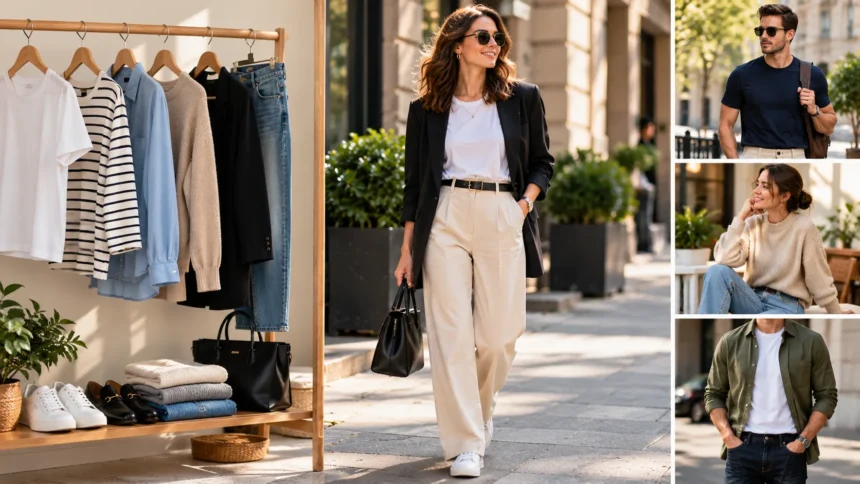
Meta Title: How to Wear Basics: Easy Styling Tips & Outfit Ideas
Meta Description: Learn how to wear basics with simple styling tips. Discover everyday outfit ideas, wardrobe essentials, layering techniques, and easy ways to style basic clothes.
Building a stylish wardrobe does not always require expensive clothing, complicated outfits, or constantly changing fashion trends. Sometimes, the simplest pieces offer the most versatility and comfort. Basic clothing items such as plain T-shirts, jeans, button-down shirts, and neutral sweaters can create countless everyday outfits when combined thoughtfully.
Learning how to wear basics helps you develop a practical personal style without making getting dressed unnecessarily complicated. These wardrobe essentials work well for casual occasions, professional environments, travel, and relaxed weekends. With a few simple styling techniques, you can create outfits that feel comfortable, coordinated, and suitable for different situations.
Whether you prefer minimalist fashion, casual streetwear, or classic everyday clothing, wardrobe basics provide a useful foundation. This guide explains how to style basic clothes, combine colors, experiment with layering, choose comfortable fits, and create versatile outfits using pieces you may already own.
What Are Basics in Fashion?
Basics in fashion are simple, versatile clothing pieces that can be combined with different outfits. They usually feature uncomplicated designs, familiar silhouettes, and colors that are easy to coordinate. Common examples include plain T-shirts, jeans, tank tops, button-down shirts, sweaters, and casual trousers. These items provide a practical foundation for everyday dressing.
Unlike statement clothing, which often features bold patterns or distinctive details, basics are designed to work with many different pieces. A plain white shirt, for example, can be worn with jeans, tailored trousers, or a casual skirt. This versatility makes basic clothing useful for different occasions and personal styles.
Fashion basics do not have to look identical in every wardrobe. Someone who enjoys relaxed streetwear may prefer oversized shirts and comfortable trousers. Another person may choose fitted tops and classic straight-leg jeans. The most useful basics are pieces that match your preferences, daily activities, and comfort requirements.
Why Are Basic Clothes Important for Your Wardrobe?
Basic clothes make everyday dressing easier because they can be combined in many different ways. Instead of relying on separate outfits for every occasion, you can create new combinations from familiar pieces. This flexibility helps simplify wardrobe organization and makes it easier to get dressed without spending excessive time choosing clothing.
Wardrobe basics also allow more distinctive items to stand out when you want to wear them. A patterned jacket, colorful scarf, or interesting pair of shoes can be paired with simple clothing. The basic pieces provide a visual foundation without competing with every detail. This creates opportunities to experiment with different styles.
Another advantage is that basics can remain useful across changing fashion trends. A comfortable pair of jeans or a well-maintained plain shirt can work with many seasonal outfits. Choosing pieces that you genuinely enjoy wearing makes your wardrobe more practical. Versatility is more important than following a strict list of fashionable essentials.
Essential Wardrobe Basics Everyone Can Consider
A practical wardrobe often begins with a collection of comfortable, versatile clothing items. Plain T-shirts, casual shirts, jeans, trousers, sweaters, and simple outerwear are common examples. These pieces can be adapted to different weather conditions and daily activities. The exact selection depends on your lifestyle, personal preferences, and local climate.
Neutral-colored tops are particularly easy to combine with different bottoms. A white, black, gray, or beige shirt can work with jeans, trousers, or skirts. Similarly, simple denim pieces offer many styling possibilities. Comfortable shoes and suitable outerwear help complete outfits without requiring complicated combinations.
Not everyone needs to own the same wardrobe essentials. Your preferred clothing may depend on school, work, cultural expectations, or personal comfort. Someone living in a warm climate may prefer lightweight cotton shirts, while another person may rely more on sweaters and jackets. Building a useful collection means choosing clothes that fit your actual routine.
How to Wear a Basic White T-Shirt
A white T-shirt is one of the most versatile pieces in an everyday wardrobe. Its simple design makes it easy to pair with different colors, textures, and clothing styles. Whether worn casually or under a jacket, it provides a clean starting point for numerous outfit combinations. The key is choosing a comfortable fit.
For a relaxed everyday outfit, combine a white T-shirt with blue jeans and simple sneakers. You can also pair it with wide-leg trousers or a casual skirt. Adding an open button-down shirt introduces another layer without making the outfit complicated. These combinations work well for informal outings and daily activities.
A white T-shirt can also be styled for slightly more polished occasions. Wearing it beneath a cardigan, blazer, or structured jacket creates a different appearance. Small accessories such as a watch or simple necklace can add personality. The same T-shirt can therefore support several outfit styles without requiring major changes.
How to Style Basic Black Clothing
Black clothing is popular because it works with many colors and can be styled in different ways. Basic black T-shirts, trousers, sweaters, and jackets provide useful starting points for casual and smart-casual outfits. The color also allows textures and accessories to become more noticeable. Combining black pieces does not require complicated styling rules.
A black T-shirt with blue jeans creates a familiar everyday combination. For a different look, try pairing the shirt with beige trousers or a light-colored skirt. Black trousers can also be worn with white, gray, or colorful tops. These combinations offer variety while keeping the overall outfit easy to coordinate.
Wearing several black pieces together can create an interesting monochromatic outfit. Combining different fabrics, such as cotton, denim, and knitwear, adds visual variety. A textured jacket or comfortable shoes can complete the combination. Personal preference should guide how much contrast or detail you include in the final outfit.
How to Wear Basic Jeans With Different Tops
Jeans are a common wardrobe essential because they pair well with many types of clothing. Straight-leg, relaxed, wide-leg, and other denim styles offer different options for everyday dressing. Choosing jeans that feel comfortable and allow easy movement is important. Their versatility makes them useful for numerous casual outfits.
For a simple everyday look, combine jeans with a plain T-shirt or lightweight sweater. A button-down shirt can create a slightly more structured appearance. During cooler weather, adding a cardigan or jacket provides warmth. Different shoe choices can also change the overall style of the same jeans-and-shirt combination.
Jeans can be styled with contrasting colors or similar shades depending on personal preference. Blue denim works with white, black, green, beige, and many other colors. Black jeans also provide an easy foundation for colorful tops. Experimenting with different combinations helps you discover outfits that feel natural and comfortable.
How to Style Basic Button-Down Shirts
Button-down shirts are versatile pieces that can work for casual, professional, and smart-casual occasions. They are available in different fabrics, colors, and fits, making them adaptable to personal style. A simple white or light-blue button-down shirt can be combined with many wardrobe essentials. Styling depends on the occasion and preferred level of formality.
For casual dressing, wear a button-down shirt with jeans or relaxed trousers. Rolling the sleeves or leaving the shirt untucked can create a more informal appearance. An open button-down worn over a plain T-shirt also works as a lightweight layer. This combination is useful during mild weather.
For a more polished outfit, pair a button-down shirt with tailored trousers or a simple skirt. A cardigan or jacket can provide additional structure. Comfortable loafers, flats, or other suitable shoes complete the combination. The same shirt can transition between different settings with only a few styling changes.
How to Wear Neutral Colors Together
Neutral colors are useful in everyday fashion because they can be combined easily. Common neutral shades include white, black, gray, beige, brown, and navy. These colors provide flexible foundations for different clothing combinations. However, wearing basics does not mean limiting your entire wardrobe to neutral shades.
One simple approach involves combining two or three colors within the same outfit. For example, beige trousers can be worn with a white shirt and a navy cardigan. Gray jeans can work with a black sweater and simple sneakers. These combinations create visual coordination without requiring identical colors.
Different shades of the same neutral color can also be worn together. A light-brown sweater with darker-brown trousers creates a tonal combination. Adding a contrasting accessory can introduce another element of interest. There are no strict rules requiring every item to match perfectly, so experimenting with colors is encouraged.
How to Layer Basic Clothes
Layering involves wearing multiple clothing pieces together to create warmth, comfort, or visual interest. It is particularly useful during changing weather conditions because individual layers can be added or removed. Basic clothing items are suitable for layering because their simple designs work with many combinations. A few familiar pieces can create several different outfits.
A common layering combination involves wearing a plain T-shirt beneath an open button-down shirt. During cooler weather, a sweater or cardigan can be added. A jacket provides another layer when outdoor temperatures drop. Choosing clothing that allows comfortable movement helps make layering practical rather than restrictive.
Layering can also involve combining different fabrics and lengths. For example, a lightweight cotton shirt may work beneath a knitted cardigan. A longer coat can be worn over a simple top and trousers. The goal is to create an outfit that feels comfortable and suits the weather while reflecting your personal preferences.
How to Make Basic Outfits More Interesting
Basic outfits can become more visually interesting through small changes in styling. Accessories, color combinations, textures, and outerwear all influence how an outfit appears. You do not need to replace your clothing to experiment with different looks. Using familiar pieces in new combinations can create variety.
For example, a plain shirt and jeans can look different when paired with a denim jacket, cardigan, or patterned scarf. A colorful bag can introduce contrast to an otherwise neutral outfit. Footwear can also influence the overall style. Sneakers create a casual appearance, while loafers may suit a smart-casual setting.
Another approach involves experimenting with fabric textures. Combining denim with knitwear or cotton with structured outerwear can make simple outfits more distinctive. Small details such as sleeve styling or shirt layering also create different effects. The most useful combinations are those that feel comfortable and reflect your individual style.
How to Choose the Right Fit for Basic Clothes
The fit of basic clothing affects comfort, movement, and how different items work together. Some people prefer relaxed silhouettes, while others enjoy more structured clothing. Neither option is automatically better. Choosing clothes that feel comfortable and suit your intended activities is more important than following one particular fashion trend.
When selecting T-shirts, consider the fabric, neckline, sleeve length, and overall shape. For trousers or jeans, check whether you can move, sit, and walk comfortably. Different clothing brands use different sizing systems, so trying items on can be useful. A comfortable fit should not require constant adjustment throughout the day.
Clothing preferences may also change depending on the occasion. Loose trousers may feel practical for casual outings, while structured pieces may suit formal settings. Personal style can include several different fits within the same wardrobe. The goal is to choose clothing that supports your comfort and daily routine.
How to Mix Basic Clothes With Statement Pieces
Statement pieces are clothing items or accessories designed to attract attention through color, pattern, texture, or distinctive details. Combining them with basics can create balanced outfit combinations. A simple shirt provides a useful foundation for a patterned jacket or colorful trousers. This approach allows individual pieces to stand out.
For example, a plain white T-shirt can be worn with a brightly colored cardigan. Black trousers may work with a patterned shirt, while simple jeans can complement a decorative jacket. These combinations provide opportunities to express personal style. The basic pieces help connect different elements within the outfit.
There is no requirement to include a statement piece in every outfit. Some people prefer entirely minimalist combinations, while others enjoy bold patterns and accessories. Both approaches can be equally expressive. Experimenting with familiar basics allows you to discover which combinations match your preferences.
How to Style Basics for Casual Outfits
Casual outfits prioritize comfort and practicality for everyday activities. Basic clothing is especially useful in these settings because it can be combined without complicated planning. T-shirts, jeans, relaxed trousers, and comfortable footwear are common choices. The exact combination depends on the weather and planned activities.
A simple casual outfit might include a plain T-shirt, straight-leg jeans, and sneakers. Another option is a lightweight sweater with relaxed trousers. During warmer weather, breathable shirts and comfortable bottoms can provide a practical combination. Adding a casual jacket creates another option for changing temperatures.
Casual dressing also allows experimentation with color and accessories. A simple watch, canvas bag, or patterned overshirt can introduce personal details. Outfits do not need to follow identical formulas every day. Choosing comfortable combinations that suit your schedule makes basic clothing especially useful.
How to Wear Basics for Smart-Casual Occasions
Smart-casual dressing combines elements of relaxed clothing with more structured pieces. It is commonly associated with informal workplaces, social gatherings, and occasions that require a slightly more polished appearance. Basic shirts, trousers, knitwear, and simple jackets can work well together. The appropriate level of formality depends on the event.
For example, a plain shirt with tailored trousers creates a straightforward smart-casual combination. A lightweight sweater worn over a collared shirt provides another option. Simple jeans may also be suitable for certain relaxed settings when paired with structured outerwear. Footwear should match the occasion and personal comfort requirements.
Smart-casual outfits do not need to be complicated or uncomfortable. Choosing familiar basics in suitable fabrics and combinations can create an appropriate appearance. Neutral colors are easy to coordinate, but subtle patterns and brighter shades can also work. Understanding the setting helps determine which pieces are most practical.
How to Wear Basics in Summer
Summer outfits often require lightweight fabrics and comfortable clothing suitable for warmer temperatures. Basic cotton shirts, breathable trousers, and relaxed tops can provide useful options. The goal is to stay comfortable while choosing clothes that suit everyday activities. Fabric selection and weather conditions are important considerations.
A plain T-shirt with lightweight trousers creates an easy summer outfit. Breathable button-down shirts can also be worn over simple tops when an additional layer is useful. Light-colored clothing may feel more comfortable in strong sunshine, depending on the fabric. Comfortable sandals or sneakers can complete casual combinations.
Summer clothing should also support practical needs such as sun protection and movement. Lightweight layers can provide coverage during outdoor activities, while hats and other accessories offer additional protection. Choosing breathable fabrics helps manage warm conditions. Simple clothing combinations make it easier to adjust outfits throughout the day.
How to Style Basics in Winter
Winter provides opportunities to combine basic clothes with warmer layers and different textures. Sweaters, long-sleeved shirts, jackets, coats, and comfortable trousers become useful wardrobe pieces. Layering allows outfits to be adjusted according to indoor and outdoor temperatures. Basic colors also make combining winter clothing relatively straightforward.
A simple winter outfit might include a long-sleeved shirt, knitted sweater, jeans, and a warm coat. Another combination could feature a cardigan over a button-down shirt with trousers. Scarves and weather-appropriate footwear provide additional comfort. These outfits can be adapted to different levels of cold.
Fabric choice is particularly important during winter because clothing must provide suitable warmth. Wool blends, fleece, and other insulating materials may be useful depending on the climate. Layering thinner pieces can also help manage changing temperatures. Personal comfort and weather protection should guide winter styling decisions.
How to Create a Capsule Wardrobe With Basics
A capsule wardrobe is a collection of clothing pieces selected for their versatility and ability to work together. Basic clothes are commonly included because they can be mixed and matched across different outfits. The goal is to create a practical wardrobe that supports daily activities. There is no universal number of items required.
A capsule wardrobe might contain a few comfortable tops, jeans, trousers, knitwear, and suitable outerwear. The exact collection depends on climate, personal preferences, and routine activities. Choosing colors that coordinate easily can simplify outfit planning. However, favorite patterns and distinctive pieces can also be included.
Building a capsule wardrobe does not require discarding clothing or purchasing an entirely new collection. Start by reviewing items you already enjoy wearing and identifying useful combinations. Consider whether additional pieces would genuinely support your routine. This approach encourages practical wardrobe planning without unnecessary shopping.
Common Mistakes When Styling Basic Clothes
One common mistake is assuming that basic clothing must always look plain or repetitive. Simple pieces can create many different combinations through layering, accessories, and color choices. Wearing familiar items does not mean every outfit needs to look identical. Experimenting with different arrangements can reveal new styling possibilities.
Another mistake is purchasing wardrobe basics based only on popular fashion recommendations. A clothing item may be widely described as essential but remain unsuitable for your lifestyle. For example, someone who rarely attends formal events may not need several structured jackets. Choosing pieces according to actual needs makes a wardrobe more useful.
Ignoring comfort can also make basic outfits less practical. Clothing that restricts movement or requires frequent adjustment may not work well for everyday activities. Fabric quality, personal preferences, and weather conditions deserve attention. Selecting clothes that feel comfortable encourages more consistent use and greater satisfaction with your wardrobe.
Conclusion
Learning how to wear basics begins with understanding the versatility of simple clothing items. Plain T-shirts, jeans, button-down shirts, sweaters, and comfortable trousers can form the foundation of many everyday outfits. These pieces work across different occasions and can be combined through color coordination, layering, and accessories.
Basic clothing also provides opportunities to explore personal style without following every fashion trend. Neutral colors, comfortable fits, and different fabric textures can create varied combinations. Casual and smart-casual outfits often require only a few familiar pieces. Choosing clothing that supports your daily routine makes styling simpler and more practical.
Ultimately, wearing basics is about creating outfits that feel comfortable, functional, and personally expressive. There is no single correct formula for building a stylish wardrobe. By experimenting with existing clothes and selecting versatile pieces, you can develop a flexible approach to everyday dressing that reflects your preferences.
Frequently Asked Questions
How Can I Make Basic Clothes Look Stylish?
Combine basic clothes with different layers, accessories, and color combinations. A plain T-shirt and jeans can look different with a cardigan, structured jacket, colorful bag, or interesting footwear.
What Are the Most Important Wardrobe Basics?
Common wardrobe basics include plain T-shirts, jeans, button-down shirts, comfortable trousers, sweaters, and versatile outerwear. The most useful pieces depend on your lifestyle, climate, and personal clothing preferences.
How Do You Style a Basic White T-Shirt?
A white T-shirt can be paired with jeans, trousers, or skirts for casual outfits. Adding a cardigan, jacket, or open button-down shirt creates different looks suitable for various occasions.
Can You Wear Basic Clothes for Smart-Casual Events?
Yes. Basic shirts, tailored trousers, knitwear, and simple jackets can create smart-casual outfits. Choosing appropriate fabrics and combinations helps adapt everyday clothing to slightly more formal settings.
How Can I Build a Wardrobe Using Basic Clothes?
Start with clothing you already enjoy wearing and identify pieces that coordinate easily. Focus on comfort, versatility, and your daily activities rather than following a strict shopping list.