
Ethical clothing basics make it easier to create stylish, comfortable outfits while making thoughtful fashion choices. Instead of constantly following new trends, ethical fashion encourages shoppers to consider how clothes are made, how long they last, and how often they are worn. From simple everyday outfits to smart casual combinations, you can develop a practical wardrobe without sacrificing personal style.
Building an ethical wardrobe does not mean replacing everything you already own or spending large amounts on expensive clothing. Small decisions, such as choosing versatile pieces, caring for existing garments, and exploring secondhand options, can make a meaningful difference. This guide explores ethical clothing basics, sustainable fashion principles, easy outfit ideas, and practical shopping tips for creating a wardrobe that works for everyday life.
What Are Ethical Clothing Basics?
Ethical clothing basics are everyday wardrobe essentials selected with consideration for responsible production, fair working conditions, and long-term usability. These garments often include comfortable T-shirts, trousers, jeans, shirts, and outerwear that can be styled in different ways. The idea is to prioritize practical clothing while considering its social and environmental impact. Ethical fashion focuses on thoughtful decisions rather than constant consumption.
Ethical clothing and sustainable fashion are closely related, but they emphasize different aspects of the clothing industry. Ethical fashion often focuses on worker treatment, wages, safety, and responsible business practices. Sustainable fashion places additional emphasis on environmental impacts such as resource use, pollution, and textile waste. A clothing company may perform well in one area while still having problems in another.
Creating an ethical wardrobe begins with understanding what you already own and how your clothing fits your lifestyle. You can start by identifying frequently worn garments and noticing which combinations feel comfortable. From there, consider replacing worn-out essentials thoughtfully rather than purchasing an entirely new collection. This approach keeps fashion accessible while encouraging more responsible shopping habits.
Why Ethical Clothing Matters in Everyday Fashion
The clothing industry affects people and the environment through manufacturing, transportation, material production, and waste management. Some garment workers experience unsafe conditions, inadequate wages, or limited workplace protections. Clothing production can also involve substantial water use, energy consumption, and chemical processing. Understanding these issues helps shoppers recognize why responsible clothing decisions matter beyond appearance and price.
Ethical fashion encourages people to consider the value of clothing throughout its useful life. A garment that remains comfortable and wearable for years may offer more practical value than something worn only a few times. However, expensive clothing is not automatically ethical or durable. Looking at construction quality, company practices, and personal needs provides a more balanced perspective.
Small changes can support a more thoughtful relationship with clothing without requiring perfection. Wearing existing garments longer, repairing minor damage, and avoiding unnecessary purchases are practical starting points. Consumers can also look for transparent information about manufacturing practices when choosing new products. These habits encourage awareness while respecting different budgets, personal preferences, and access to clothing options.
How to Build an Ethical Capsule Wardrobe
An ethical capsule wardrobe consists of versatile clothing pieces that work together across different occasions. Instead of following a strict number of garments, focus on items that suit your daily activities and personal preferences. Comfortable trousers, simple tops, and adaptable outerwear can form a useful foundation. The goal is to make outfit planning easier while reducing purchases that serve little purpose.
Begin by reviewing your current wardrobe and identifying pieces that you regularly enjoy wearing. Consider their colors, fabrics, comfort, and compatibility with other garments. You may discover that several useful combinations are already available without buying anything new. Organizing clothing by category can make overlooked items easier to find and encourage more frequent use.
When you eventually need additional pieces, choose garments that complement what you already own. A neutral cardigan, comfortable shirt, or well-made pair of trousers may work across several seasons. However, your wardrobe does not need to consist entirely of neutral colors. Favorite patterns and brighter shades can still support versatility when selected according to your personal style.
Ethical Casual Outfit Ideas for Everyday Wear
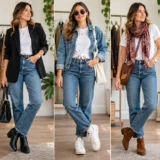
A simple T-shirt paired with comfortable jeans is one of the easiest ethical clothing outfit ideas to create. Choose pieces you already own and enjoy wearing rather than searching for new versions of the same outfit. Add familiar sneakers and a lightweight jacket when needed. This combination works well for casual outings, everyday errands, and relaxed social activities.
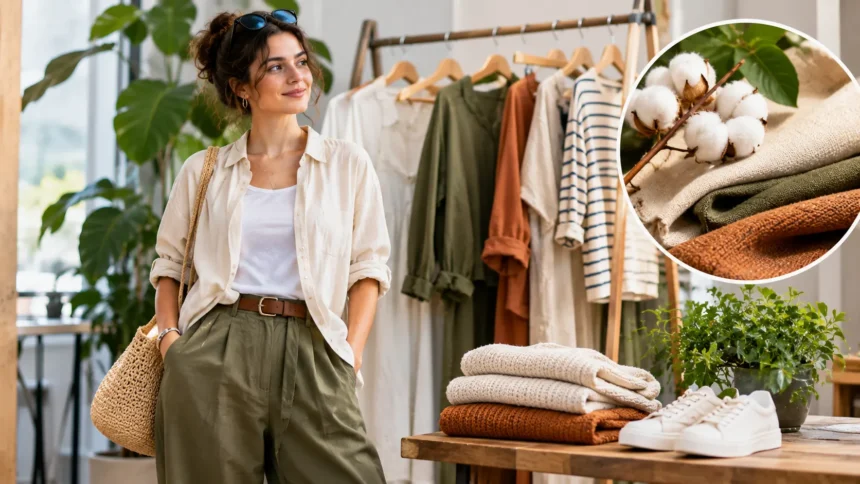
Another practical outfit combines a breathable cotton shirt with relaxed trousers or a comfortable skirt. You can adjust the look with a cardigan, flat shoes, or a simple bag. Natural and synthetic fabrics both have advantages depending on their production and intended use. Select materials that feel comfortable and can withstand the care routine you are willing to maintain.
For a slightly different casual style, try pairing a patterned top with plain trousers and familiar accessories. This allows one colorful garment to become the focus without requiring additional purchases. Repeating the same outfit is completely reasonable, especially when it suits your routine. Creative combinations can make existing clothing feel fresh while avoiding unnecessary shopping.
Ethical Clothing Ideas for Work and Office Outfits
Workwear can be both professional and practical when built around versatile garments. A comfortable button-down shirt paired with tailored trousers creates a simple outfit suitable for many office environments. Adding a blazer or cardigan can provide another layer when needed. Choosing pieces that work in different combinations makes preparing for work easier throughout the week.
A midi skirt with a simple blouse is another option for workplaces with a smart casual dress code. Comfortable loafers or other suitable footwear can complete the outfit without complicated styling. Depending on your preferences, dresses and matching separates may also provide useful workwear choices. The best combination is one that meets workplace expectations while allowing comfortable movement.
Ethical office fashion also involves maintaining the clothing you already own. A well-fitting blazer, repaired pair of trousers, or regularly worn shirt can remain useful for years. Simple alterations may improve comfort and extend a garment’s life. Instead of buying something new for every professional occasion, experiment with different combinations of familiar pieces and accessories.
Sustainable Outfit Ideas for Different Seasons
Seasonal styling becomes easier when you use layering rather than maintaining completely separate wardrobes for every temperature change. During cooler weather, combine familiar shirts with sweaters, cardigans, or comfortable jackets. Layers can be removed when conditions become warmer. This flexibility allows several clothing pieces to remain useful across different parts of the year.
For warm weather, lightweight clothing can provide comfort during everyday activities. A breathable shirt with relaxed trousers, shorts, or a skirt may suit different casual occasions. Consider fabric comfort, sun protection, and local weather when planning an outfit. Choosing garments that work in several combinations reduces the pressure to purchase an entirely new summer collection.
During colder months, durable outerwear and suitable footwear often become important wardrobe essentials. A practical coat can be worn with several outfits rather than being replaced whenever styles change. Scarves and other accessories may provide additional warmth and variety. Caring for seasonal clothing before storing it can help preserve its condition for future use.
How to Style Secondhand and Thrifted Clothing
Secondhand shopping offers an opportunity to explore different fashion styles without always purchasing newly manufactured garments. Thrift stores, clothing exchanges, and resale platforms may contain useful wardrobe basics and distinctive pieces. Availability and quality can vary, so patience is important. Choosing clothing you genuinely expect to wear makes secondhand shopping more practical and intentional.
A thrifted denim jacket can work with several familiar wardrobe combinations, including trousers, skirts, and casual dresses. Similarly, a secondhand cardigan may complement shirts or simple tops you already own. Focus on comfort, condition, and compatibility with your wardrobe. A unique garment is most useful when it fits your activities rather than remaining unworn.
Before purchasing secondhand clothing, inspect stitching, fabric condition, closures, and visible damage. Some items may benefit from simple repairs or alterations, while others may not be worth the additional effort. Follow suitable cleaning instructions before wearing newly acquired garments. Thoughtful secondhand purchases can provide useful variety while supporting the continued use of existing clothing.
How to Choose Ethical Fabrics and Materials
Fabric selection is an important part of understanding ethical clothing basics, but no single material is automatically the best choice. Cotton, linen, wool, polyester, and recycled fibers each have environmental and practical considerations. Their impacts depend on how they are produced, processed, used, and discarded. Understanding these differences can support more informed clothing decisions.
Organic cotton may be produced under agricultural standards that restrict certain synthetic inputs, while recycled fibers can reduce demand for some virgin materials. However, certifications and material claims vary in scope. A recycled fabric does not necessarily guarantee fair labor conditions or low environmental impact. Responsible purchasing involves considering both material information and the wider production process.
Durability and clothing care are equally important when choosing fabrics. A garment that remains comfortable and useful through repeated wear may be a practical addition to your wardrobe. Check washing instructions before purchasing because delicate materials can require extra maintenance. Selecting fabrics that suit your routine helps make ethical clothing choices easier to maintain over time.
How to Identify Ethical Clothing Brands
Finding ethical clothing brands requires looking beyond attractive advertisements and broad sustainability claims. Some companies describe their products as environmentally friendly without explaining specific manufacturing practices. This makes it difficult for customers to evaluate their claims. Useful information includes production locations, supplier policies, worker protections, material sourcing, and measurable progress toward stated goals.
Independent certifications may provide additional information about selected aspects of production. For example, some standards focus on organic materials, while others address particular labor or environmental requirements. However, certifications differ in what they assess and do not guarantee that every aspect of a company is ethical. Understanding their scope is more useful than relying only on unfamiliar logos.
Brand transparency can also help shoppers compare available options. Look for specific explanations of supply chains, manufacturing processes, and how companies respond to identified problems. Businesses that acknowledge challenges may provide more meaningful information than those making perfect-sounding promises. Since ethical fashion standards continue evolving, thoughtful research is more useful than assuming one label tells the entire story.
How to Make Your Clothes Last Longer
Proper clothing care is one of the simplest ways to make an existing wardrobe more useful. Start by checking garment labels before washing, drying, or ironing. Different fabrics require different handling to maintain their appearance and structure. Following suitable care instructions can reduce unnecessary shrinking, fading, and fabric damage while helping clothes remain wearable longer.
Washing garments when they need cleaning, rather than automatically after every brief use, may reduce avoidable wear. However, hygiene requirements vary depending on the item and how it was worn. Use appropriate washing temperatures and avoid excessive detergent. Air drying may help protect some fabrics, provided the garment’s care instructions and local conditions make it suitable.
Small repairs can also extend clothing life without requiring specialized equipment. Replacing a loose button, repairing a seam, or adjusting a hem may restore an otherwise useful garment. Professional alterations are another option when available and affordable. These habits help reduce clothing waste while making it easier to continue wearing familiar pieces comfortably.
Common Ethical Fashion Mistakes to Avoid
One common mistake is assuming that creating an ethical wardrobe requires immediately replacing all existing clothing. Buying many new garments, even from companies promoting responsible production, can create unnecessary consumption. Clothing already in your wardrobe may continue serving its purpose for years. Using those items fully is often a sensible first step toward more thoughtful fashion habits.
Another mistake involves judging clothing ethics entirely by price or fabric type. Expensive products are not automatically produced under better conditions, and natural fibers are not always environmentally superior in every situation. Company practices, product durability, and individual use patterns all matter. Looking at several factors creates a more accurate understanding of responsible clothing choices.
Some people also feel pressured to follow every sustainable fashion trend or purchase specialized wardrobe essentials. However, ethical clothing should remain practical and accessible rather than becoming another reason to buy more. Focus on useful purchases, comfortable combinations, and realistic habits. A thoughtful wardrobe develops gradually through informed decisions instead of rigid rules or perfection.
Conclusion
Ethical clothing basics provide a practical foundation for creating comfortable, versatile, and stylish everyday outfits. Simple shirts, trousers, jeans, dresses, and outerwear can work together across different occasions without constant replacement. Understanding production practices, fabric choices, and clothing care helps make purchasing decisions more informed. Ethical fashion is about considering the wider impact of clothing while respecting personal needs.
Outfit planning becomes easier when you combine existing wardrobe pieces creatively and choose additional garments only when necessary. Casual combinations, office outfits, seasonal layers, and secondhand discoveries can all support a thoughtful approach to fashion. Proper care and minor repairs also help extend clothing life. These habits can reduce unnecessary consumption while keeping personal style flexible and enjoyable.
Building a more ethical wardrobe does not happen through one purchase or a fixed set of fashion rules. Begin with the clothing you already own, identify useful essentials, and explore responsible options when replacements are needed. Consider comfort, durability, production information, and affordability together. Small, consistent decisions can help make everyday fashion more practical and considerate.
FAQs
What are ethical clothing basics?
Ethical clothing basics are versatile everyday garments selected with attention to responsible production, worker welfare, durability, and practical use. Common examples include comfortable shirts, jeans, trousers, dresses, and outerwear.
How can I create ethical outfits on a budget?
Start by styling clothes you already own and avoiding unnecessary replacements. Secondhand shopping, simple repairs, and choosing versatile pieces when needed can help make thoughtful fashion choices more affordable.
What is the difference between ethical and sustainable fashion?
Ethical fashion focuses strongly on people, labor practices, and responsible business behavior. Sustainable fashion emphasizes environmental impacts, including materials, resource consumption, and waste. The two approaches often overlap.
Are secondhand clothes considered ethical fashion?
Secondhand clothing can support more responsible consumption by extending the useful life of existing garments. However, individual purchasing decisions, garment condition, and the practices of resale businesses may also matter.
How do I know if a clothing brand is ethical?
Look for transparent information about manufacturing locations, worker protections, material sourcing, and independent certifications. Avoid relying entirely on vague sustainability claims, since responsible production involves several different factors.