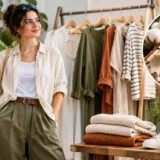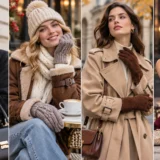

Wearing the same clothes more than once does not mean your style has to feel repetitive. In fact, learning how to restyle your favorite pieces can make everyday dressing easier, more creative, and more practical. With the right outfit repeating tips, you can create fresh combinations without constantly buying new clothes. Small changes in layering, accessories, colors, and styling can make familiar outfits feel completely different.
Outfit repeating is becoming a practical approach to personal style because it encourages people to appreciate and reuse the clothing they already own. Instead of focusing on wearing something new every day, you can build outfits around comfortable, versatile pieces. This approach can save money, reduce unnecessary purchases, and simplify wardrobe decisions. It also gives you more opportunities to develop a recognizable personal style.
Whether you are dressing for school, work, casual outings, or special occasions, repeating outfits can be both convenient and stylish. The key is learning how to combine clothing in different ways while keeping your personal preferences in mind. This guide explores simple styling techniques, creative outfit combinations, and practical wardrobe ideas. Each suggestion can help you make better use of your existing clothes.
Why Outfit Repeating Is a Smart Fashion Choice
Repeating outfits is a practical way to make your wardrobe more useful without increasing the number of clothes you own. Most people naturally have favorite pieces they wear more often than others. Instead of avoiding these items, you can make them the foundation of different combinations. This approach focuses on versatility, comfort, and personal expression rather than constant shopping.
Another benefit of outfit repeating is the opportunity to save money on clothing. Buying fewer unnecessary items allows you to focus on pieces that genuinely suit your lifestyle. You may also discover combinations you had previously overlooked. Over time, this can help you develop a wardrobe that feels organized and easier to use.
Repeating clothing can also support more sustainable fashion habits. Wearing garments regularly and caring for them properly may extend their useful life. This can help reduce unnecessary consumption and textile waste. Although clothing sustainability depends on several factors, using existing garments more often is a practical step toward making thoughtful fashion choices.
Start With Versatile Wardrobe Essentials
Versatile wardrobe essentials provide a useful foundation for creating multiple outfits from the same clothing pieces. Items such as plain T-shirts, comfortable jeans, button-down shirts, and simple trousers can work in different combinations. Their usefulness comes from how easily they coordinate with other garments. You do not need a specific number of essentials to begin experimenting.
For example, a plain white shirt can be worn with jeans for a casual afternoon or paired with trousers for a more polished appearance. Adding a cardigan creates another variation without replacing the main outfit. The same shirt can also work beneath a sweater. These small adjustments demonstrate how one familiar item can support several looks.
When identifying versatile clothing, consider your daily routine, preferred colors, and local weather. A useful wardrobe should reflect what you actually enjoy wearing. Some people prefer relaxed basics, while others favor colorful or patterned pieces. Choosing clothing based on personal comfort and practicality makes outfit repeating easier and more enjoyable.
Change Your Outfit With Different Accessories
Accessories are among the easiest ways to change the appearance of an outfit without replacing its main clothing pieces. Bags, scarves, belts, watches, and simple jewelry can introduce different colors or details. Even one carefully selected accessory may change the overall impression. The goal is to create variety using items that already fit your style.
For example, a plain shirt and jeans combination can look more polished when paired with a structured bag and simple accessories. The same outfit may feel more relaxed with a canvas tote and casual cap. These changes do not require complicated styling techniques. They simply highlight different aspects of a familiar clothing combination.
You can also experiment with accessories according to the occasion. A lightweight scarf may add visual interest during cooler weather, while a colorful bag can brighten an everyday outfit. However, accessories should remain practical and comfortable. Choosing a few pieces you genuinely like is often more useful than collecting accessories you rarely wear.
Use Layering to Create Fresh Outfit Combinations
Layering allows you to repeat clothing while changing the overall appearance of an outfit. A basic T-shirt can become part of several looks when combined with jackets, cardigans, sweaters, or open shirts. Different layers introduce new textures and colors. They also make it easier to adjust clothing according to changing weather conditions.
For example, you might wear a plain T-shirt with jeans on one day and add an open button-down shirt the next. During cooler weather, a cardigan or lightweight jacket can provide another variation. The original clothing pieces remain the same. However, changing the outer layer gives the combination a noticeably different appearance.
Successful layering depends on comfort, fabric weight, and personal preference. Lightweight pieces often work well beneath thicker garments, particularly when temperatures change throughout the day. You can also experiment with contrasting lengths and colors. There is no need to follow strict layering rules as long as the final combination feels comfortable and practical.
Mix and Match Colors for Different Looks
Color combinations can significantly influence how repeated outfits appear. Wearing the same trousers with different colored tops creates variety without requiring new clothing. Neutral shades such as black, white, navy, beige, and gray often coordinate easily with other colors. However, brighter shades can be equally versatile when they complement the rest of your wardrobe.
For example, black trousers can be paired with a white shirt for a simple combination. Wearing the same trousers with a green sweater creates another look, while a patterned blouse introduces additional visual interest. These combinations demonstrate how changing one garment can refresh an outfit. You can use the same idea with skirts, jeans, or casual shorts.
Experimenting with colors is also an opportunity to develop your personal style. You might enjoy soft pastels, bold contrasts, earthy tones, or monochromatic combinations. There is no single correct color palette for everyone. The most practical approach is to identify colors you enjoy wearing and explore how they work with your existing clothes.
Restyle the Same Jeans in Creative Ways
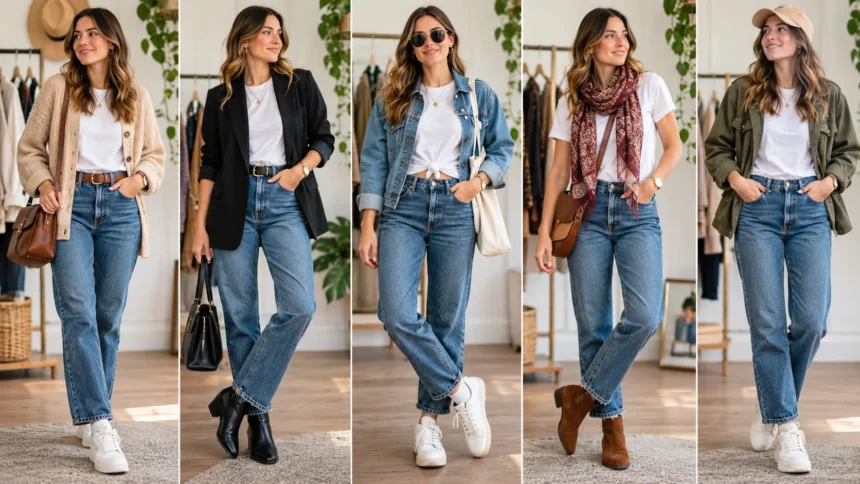
Jeans are one of the most versatile clothing items because they work with many different tops and footwear styles. A comfortable pair can become the foundation of casual, smart-casual, and relaxed weekend outfits. Changing the surrounding garments helps create variety. This makes jeans especially useful when building an easy outfit repeating routine.
For a casual day, you could wear jeans with a graphic T-shirt and sneakers. On another occasion, combine the same jeans with a button-down shirt and loafers. A knitted sweater offers a comfortable option during cooler weather. These combinations use one familiar item while allowing the complete outfit to reflect different occasions.
You can also experiment with cuffs, belts, and different shirt styling techniques. Tucking in a shirt, leaving it untucked, or adding an open overshirt may change the overall effect. The most important consideration is comfort and personal preference. Small styling choices can make repeated jeans feel fresh without requiring a completely different wardrobe.
Repeat Dresses With Different Styling Techniques
Dresses can be surprisingly versatile because they provide a complete outfit while still allowing creative styling. Adding layers, changing footwear, or using different accessories can create several combinations from one dress. This approach works with casual dresses, shirt dresses, and many everyday styles. The possibilities depend on the garment’s design and the occasion.
For example, a simple dress can be paired with sneakers and a denim jacket for a relaxed daytime look. Wearing the same dress with a cardigan and flats offers another comfortable combination. You could also add a belt or scarf for variation. These changes allow you to enjoy the same dress in different settings.
Weather can also influence how you restyle dresses. During cooler months, tights, boots, and sweaters may make certain dresses more practical. In warmer weather, lightweight layers and breathable footwear often feel more comfortable. Rather than buying separate outfits for every occasion, consider how existing dresses can work with different seasonal accessories.
Change Your Look With Different Footwear
Footwear can noticeably change how an outfit feels, even when the clothing remains exactly the same. Sneakers generally create a casual impression, while loafers or simple flats may produce a more polished appearance. Boots can introduce another style during cooler weather. These variations make shoes a practical part of outfit repeating.
For example, jeans and a plain shirt can be worn with comfortable sneakers for everyday activities. Pairing the same clothing with loafers creates a slightly more structured look. During colder weather, ankle boots provide another option. The clothing pieces do not change, but the overall appearance becomes suitable for different situations.
Comfort should remain a priority when selecting footwear. Consider how much walking or standing your day involves before choosing shoes for an outfit. A fashionable combination is less useful if the footwear makes everyday activities uncomfortable. Selecting practical shoes that coordinate with several garments can make wardrobe planning simpler.
Create a Capsule Wardrobe for Easy Outfit Repeating
A capsule wardrobe is a collection of clothing selected because the pieces work well together. It does not require following a strict number of garments or wearing only neutral colors. Instead, the focus is on choosing useful combinations. This approach can make outfit repeating easier by reducing the number of decisions involved in daily dressing.
You might begin by selecting several favorite tops, bottoms, and layering pieces from your existing wardrobe. Consider which garments coordinate naturally and suit your usual activities. For example, two pairs of trousers, several tops, and a few outer layers can create multiple combinations. The exact selection should depend on your preferences rather than a universal clothing checklist.
A capsule wardrobe can also help identify items that rarely get worn. Instead of immediately replacing them, consider whether they could work with other pieces. You may discover new combinations by experimenting. Building a useful capsule wardrobe is an ongoing process that should remain flexible as your needs, preferences, and seasons change.
Outfit Repeating Ideas for Work and Office Wear
Repeating office outfits can simplify morning routines while maintaining a professional appearance. Many workplaces allow familiar clothing combinations as long as they meet the expected dress code. Shirts, trousers, skirts, blazers, and cardigans can be styled in different ways. The key is selecting comfortable pieces that suit your work environment.
For example, navy trousers can be worn with a white shirt and blazer on one day. The same trousers may work with a patterned blouse or a knitted top later in the week. Changing the outer layer provides another option. These simple combinations help create variety without requiring a different set of work clothes every day.
You can also repeat complete outfits when they remain clean, comfortable, and appropriate for the workplace. There is no requirement to invent a different combination for every working day. Planning several reliable outfits may reduce unnecessary decisions. Keeping clothing well maintained is often more important than constantly changing what you wear.
Casual Outfit Repeating Tips for Everyday Wear
Casual outfits are ideal for experimenting with repeated clothing because comfort and practicality often guide the choices. Everyday pieces such as T-shirts, jeans, joggers, and relaxed shirts can be combined in many ways. Small changes in colors or layers create variety. You can also repeat a favorite combination without changing anything when it suits your plans.
For example, a basic T-shirt and jeans outfit can work for shopping, meeting friends, or relaxing outdoors. Adding an overshirt creates another variation, while swapping jeans for comfortable trousers changes the overall look. During cooler weather, a hoodie or cardigan may provide an additional option. These adjustments keep the outfit familiar while introducing fresh details.
Casual outfit repeating becomes easier when you recognize which combinations feel most comfortable. You may prefer loose layers, simple colors, or a particular type of footwear. Use these preferences as your starting point. Personal style develops through repeated choices, and there is no need to change a successful outfit simply for variety.
How to Repeat Outfits for Special Occasions
Special occasions sometimes create pressure to wear something completely new. However, a familiar outfit can often be styled differently for celebrations, dinners, and family gatherings. Changing accessories, layers, or footwear may make the clothing feel appropriate for a new event. Repeating occasionwear can also help you get more use from garments worn infrequently.
For example, a simple black dress can be styled with understated accessories for one event and a colorful scarf for another. A blazer and trousers combination can also work across several occasions with different shirts. The same principle applies to traditional clothing and formal outfits. Choosing appropriate details helps adapt familiar pieces to different settings.
Before planning an event outfit, consider the dress code, location, weather, and activities involved. These practical factors matter more than whether the clothing has been worn previously. A comfortable, well-maintained outfit can remain suitable for many occasions. Using what you already own also gives you opportunities to express creativity without making unnecessary purchases.
How to Repeat Outfits Across Different Seasons
Seasonal outfit repeating helps extend the usefulness of clothing beyond a single time of year. Some garments can be adapted for different temperatures by adding or removing layers. Lightweight shirts, jeans, skirts, and certain dresses often work across several seasons. However, fabric choice and local climate determine which combinations remain comfortable.
For example, a cotton shirt may be worn on its own during warmer weather. In autumn, the same shirt can be layered beneath a sweater or light jacket. During winter, additional outerwear may provide necessary warmth. These seasonal changes allow familiar clothing to remain part of your routine for a longer period.
Storage and garment care also play important roles in seasonal outfit planning. Keep clothing clean and stored appropriately when it is not being worn. Before a new season begins, review your existing wardrobe and identify useful combinations. This can reduce unnecessary purchases and make it easier to prepare outfits as temperatures change.
Use Outfit Planning to Make Repeating Easier
Planning outfits in advance can make repeating clothing feel more intentional and convenient. Instead of choosing completely different garments every morning, consider creating a few reliable combinations. These outfits can be adjusted according to weather and daily activities. A simple planning routine may also help you recognize which clothing pieces receive the most use.
You can begin by arranging several outfits from your current wardrobe. Try combining the same trousers with different tops or repeating a favorite shirt with different layers. Taking photographs of successful combinations can provide useful reminders. This approach is particularly helpful when you want fresh outfit ideas but have limited time to experiment.
Outfit planning does not need to become a complicated schedule. Some people enjoy organizing clothing for an entire week, while others prefer choosing the next day’s outfit. Both approaches can work. The goal is to make getting dressed easier while leaving room for personal preference, creativity, and changing circumstances.
How to Keep Repeated Outfits Looking Fresh
Good clothing care helps repeated outfits remain comfortable and presentable. Following garment care labels, treating stains promptly, and storing clothes properly can extend their useful life. Different fabrics require different washing and drying methods. Using appropriate care techniques helps protect colors, textures, and overall garment condition.
You do not always need to wash every garment after a single wear. Whether clothing needs washing depends on fabric type, activity level, cleanliness, and personal hygiene. Some outer layers may be suitable for multiple wears between washes. However, underwear, visibly dirty garments, and clothing affected by sweat should be cleaned appropriately.
Simple maintenance can also refresh older clothing pieces. Removing lint, repairing loose buttons, and addressing small tears may help garments remain wearable. Proper folding or hanging can reduce unnecessary creasing. These habits make outfit repeating easier because familiar clothing stays ready for regular use without requiring constant replacement.
How to Feel Confident Repeating Your Favorite Outfits
Feeling comfortable repeating outfits often begins with changing how you think about personal style. Clothing does not need to be new to look appealing or feel appropriate. Many people have favorite combinations they return to regularly. Choosing to wear them again can simply reflect comfort, practicality, and an understanding of personal preferences.
You may occasionally worry that others will notice repeated clothing. However, there is no universal expectation to wear a completely different outfit every day. Most social and professional settings place greater importance on appropriate, clean clothing than constant novelty. Wearing familiar combinations can also help establish a consistent personal style.
Rather than focusing on whether an outfit has appeared before, consider whether it suits your day. Comfortable clothing that reflects your preferences can be worn repeatedly. Experimenting with different combinations is optional, not a requirement. Outfit repeating becomes more enjoyable when it is treated as a practical choice rather than something that needs justification.
Common Outfit Repeating Mistakes to Avoid
One common mistake is believing that repeating an outfit requires changing every accessory or clothing item. In reality, a complete outfit can be worn again without modification. Constant restyling may create unnecessary pressure. The purpose of outfit repeating is to make wardrobe use easier, not to introduce additional rules about how clothing must look.
Another mistake is purchasing numerous new accessories specifically to make old outfits appear different. While accessories can provide variety, buying unnecessary items may undermine the practical benefits of repeating clothing. Start by exploring combinations using what you already own. This approach encourages creativity without turning outfit repeating into another shopping habit.
Ignoring comfort, weather, and clothing condition can also make repeated outfits less practical. A combination that worked well during summer may require adjustments during colder months. Similarly, garments should be cleaned or repaired when necessary. Paying attention to everyday needs helps ensure that repeated outfits remain comfortable, suitable, and easy to wear.
Conclusion
Outfit repeating is a simple way to develop personal style while making better use of your existing wardrobe. By changing accessories, experimenting with layers, and combining familiar clothing in different ways, you can create fresh looks without constant shopping. These techniques work for casual wear, office outfits, and special occasions. The most effective combinations are those that suit your preferences and daily activities.
Versatile wardrobe essentials, thoughtful clothing care, and basic outfit planning can make repeating clothes more convenient. You do not need an extensive wardrobe or complicated styling methods to create variety. Even a few favorite pieces can support numerous combinations. Small adjustments can refresh an outfit, but repeating a complete look is equally reasonable when it works well.
Ultimately, the best outfit repeating tips encourage creativity without creating pressure to dress differently every day. Wearing familiar clothes can save time, support practical spending habits, and make daily decisions easier. Focus on comfort, personal expression, and appropriate clothing care. A useful wardrobe is not defined by how many outfits you own, but by how well your clothes work for your life.
Frequently Asked Questions (FAQs)
Is it okay to repeat the same outfit?
Yes, repeating the same outfit is completely fine. Clean, comfortable clothing can be worn multiple times, and there is no general rule requiring a different outfit every day.
How can I make repeated outfits look different?
You can refresh repeated outfits by changing footwear, adding layers, experimenting with accessories, or combining familiar pieces in new ways. Even one small adjustment can create a different appearance.
How often should you repeat outfits?
There is no specific schedule for repeating outfits. You can wear familiar combinations whenever they are clean, comfortable, and appropriate for your activities. Personal preference should guide your choices.
Can you repeat outfits without looking boring?
Yes, repeating outfits can support a consistent and creative personal style. Mixing colors, textures, and accessories provides variety, but wearing a favorite combination unchanged is also a perfectly reasonable choice.
Does outfit repeating help sustainable fashion?
Repeating outfits can support more sustainable clothing habits by encouraging longer garment use and reducing unnecessary purchases. Proper washing, storage, and repairs may also help extend the life of existing clothes.