

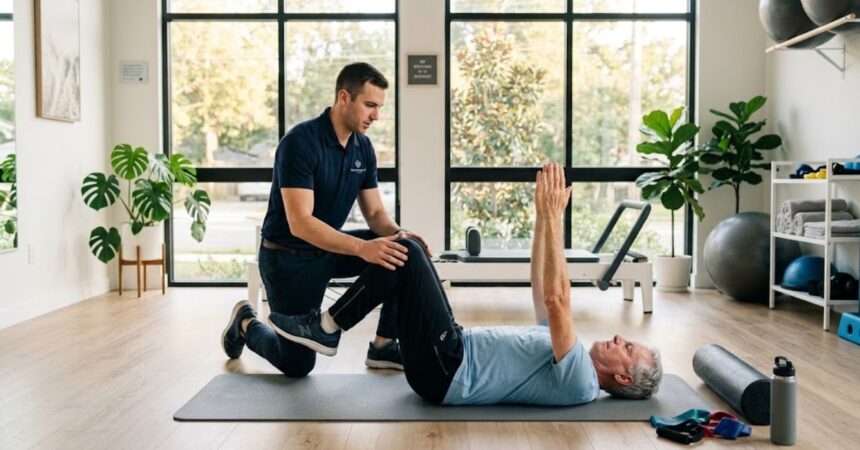
Back pain is one of the most common reasons people miss work, skip workouts, or simply stop doing the things they love. Whether it comes from a sudden injury, years of poor posture, or the slow wear and tear of daily life, back pain has a way of creeping into every part of your routine.
The good news is that most cases of back pain do not require surgery to resolve. With the right approach, many people find lasting relief through conservative, evidence-based treatment.
The Root Causes of Back Pain
Before jumping into solutions, it helps to understand why back pain happens in the first place. For many patients, working with a skilled provider such as Atlas Physical Therapy can make the difference between a quick recovery and months of frustration, because a proper evaluation identifies the actual source of pain rather than just masking symptoms with rest or medication. Back pain rarely has a single, simple cause. It often results from a combination of factors, including weak core muscles, tight hip flexors, poor spinal alignment, repetitive strain, or an old injury that never fully healed.
There are two broad categories worth knowing. Acute back pain comes on suddenly, often from lifting something heavy, twisting awkwardly, or a fall. It usually improves within a few weeks with proper care. Chronic back pain, on the other hand, persists for three months or longer and is frequently tied to underlying issues like disc degeneration, muscle imbalances, or nerve irritation. Understanding which category your pain falls into is the first step toward choosing the right recovery path.
Why Surgery Isn’t Always the Answer
It’s a common misconception that severe or long-lasting back pain automatically means surgery is necessary. In reality, research consistently shows that most cases of low back pain, even those involving disc herniation, respond well to conservative treatment. Surgery carries real risks, including infection, extended recovery time, and the possibility that pain may not fully resolve even after the procedure. For these reasons, most medical guidelines recommend exhausting non-surgical options first, unless there are red flags like significant nerve damage, loss of bladder control, or progressive muscle weakness.
Conservative care allows the body’s natural healing processes to work while addressing the mechanical issues contributing to pain. This approach not only reduces risk but also empowers patients to understand and manage their own condition long after treatment ends.
The Role of Physical Therapy in Back Pain Recovery
Physical therapy is often considered the gold standard for non-surgical back pain treatment, and for good reason. A well-designed program does more than just stretch tight muscles or apply heat. It addresses the underlying mechanical problems that caused the pain in the first place.
Building a Strong Foundation
One of the first goals in physical therapy is to strengthen the muscles that support the spine, particularly the core, glutes, and deep stabilizing muscles of the back. When these muscles are weak, the spine takes on more load than it should, leading to strain and irritation. A therapist will typically start with gentle exercises and progressively increase intensity as strength and tolerance improve.
Improving Mobility and Flexibility
Tightness in the hips, hamstrings, and thoracic spine can pull on the lower back and worsen pain. Targeted stretching and mobility work help restore normal movement patterns, reducing compensations that place extra stress on the lumbar spine.
Correcting Movement Patterns
Many people develop back pain simply because they move incorrectly during everyday tasks, like bending to pick something up or sitting at a desk for hours. Physical therapists observe how a patient moves and provide hands-on coaching to correct these patterns, which helps prevent the pain from returning once treatment ends.
Manual Therapy Techniques
Hands-on techniques such as soft tissue mobilization, joint mobilization, and myofascial release can reduce muscle tension and improve joint function. These techniques are often combined with active exercise for the best results, since passive treatments alone tend to provide only temporary relief.
SEE ALSO: The Importance of a Balanced Diet for Long-Term Health and Wellness
What to Expect During Your First Physical Therapy Visit
If you’ve never been to physical therapy before, the process is straightforward and designed to give your provider a clear picture of your condition. During the initial evaluation, expect the following:
- A discussion of your medical history, including how and when the pain started
- A physical assessment of your posture, range of motion, and strength
- Specific movement and orthopedic tests to pinpoint the source of pain
- A review of your daily activities, work demands, and fitness goals
- The creation of a personalized treatment plan based on your findings
This individualized approach matters because back pain looks different for everyone. A desk worker with sciatica-like symptoms needs a different plan than an athlete recovering from a lifting injury. A thorough evaluation ensures the treatment addresses your specific situation rather than applying a generic protocol.
Simple Strategies to Support Your Recovery at Home
While professional treatment provides the foundation for recovery, what you do outside of appointments matters just as much. Consider incorporating these habits into your daily routine:
Stay moderately active. Complete bed rest is rarely helpful and can actually slow recovery. Gentle walking and movement keep blood flowing to injured tissues and prevent stiffness.
Mind your posture. Whether sitting at a desk or standing for long periods, poor posture places uneven stress on the spine. Setting reminders to check your posture throughout the day can make a noticeable difference over time.
Use proper lifting mechanics. Bend at the knees rather than the waist, keep the object close to your body, and avoid twisting while lifting. This simple adjustment prevents a significant number of back injuries.
Apply heat or ice as needed. Ice can help reduce inflammation in the first 48 hours after an injury, while heat is useful for relaxing tight muscles in the days that follow.
Prioritize sleep quality. Poor sleep posture, especially sleeping on your stomach, can aggravate back pain. Side sleeping with a pillow between the knees often provides better spinal alignment.
Stay consistent with prescribed exercises. The exercises given by a physical therapist are only effective if performed regularly. Skipping sessions or rushing through them reduces their impact on long-term recovery.
When to Seek Professional Help
While mild back pain often improves with rest and self-care, certain signs indicate it’s time to see a professional. These include pain that persists beyond a few days despite home care, pain that radiates down one or both legs, numbness or tingling in the extremities, or pain that interferes with basic daily activities like walking, sitting, or standing. Sudden, severe pain following an accident or fall also warrants prompt evaluation.
Seeking help early rather than waiting for the pain to become unbearable generally leads to faster, more complete recovery. Chronic pain that goes untreated for months can become more complex to resolve, sometimes involving changes in how the nervous system processes pain signals.
The Long-Term Benefits of Addressing Back Pain Properly
Investing time in proper back pain treatment pays off well beyond symptom relief. Patients who complete a structured recovery program often report improved overall fitness, better posture, and a reduced risk of re-injury. Understanding your body’s movement patterns and limitations also builds confidence, allowing you to return to activities you may have avoided out of fear of pain.
Beyond the physical benefits, resolving back pain can have a meaningful impact on mental well-being. Chronic pain is closely linked to increased stress, anxiety, and disrupted sleep. Addressing the physical source of the problem often brings relief in these areas as well, creating a positive cycle of improved function and mood.
Final Thoughts
Back pain doesn’t have to be something you simply learn to live with. In the vast majority of cases, a combination of proper evaluation, targeted physical therapy, and consistent self-care at home leads to significant and lasting improvement. Rather than jumping straight to invasive procedures, exploring conservative treatment first offers a lower-risk path with strong outcomes for most patients.
If your back pain has been holding you back from work, exercise, or simply enjoying everyday life, consider scheduling an evaluation with a qualified physical therapist. Addressing the root cause of your pain, rather than just managing symptoms, is the most reliable way to get back to feeling like yourself again.
FAQs
What are some good questions to ask a physical therapist?
Ask what’s actually causing your pain (not just where it hurts), how many sessions you’ll likely need, what you should be doing—or avoiding—at home between visits, how progress will be measured, and what warning signs mean you should call before your next appointment.
What is the 8-minute rule in physical therapy?
It’s a Medicare billing guideline that determines how many timed treatment units (like manual therapy or therapeutic exercise) a clinic can bill for a session. To bill one unit, the therapist must spend at least 8 minutes on that specific service; anything under 8 minutes isn’t billable as a separate unit.
What is a red flag in physical therapy?
A red flag is a symptom suggesting something more serious than a typical musculoskeletal issue—things like unexplained weight loss, numbness in the groin area, loss of bladder/bowel control, fever, or progressive weakness. These signal a need for immediate medical referral rather than standard PT treatment.
What are the four main types of physical therapy?
Generally categorized as orthopedic (muscles, joints, bones), neurological (stroke, spinal cord injuries), cardiopulmonary (heart/lung conditions), and pediatric (developmental or congenital conditions in children). Some lists also include geriatric as a fifth major category.
Which type of physiotherapy is best?
There’s no universal “best” type—it depends entirely on your condition. Someone recovering from a knee replacement needs orthopedic PT, while a stroke survivor needs neurological rehab. The right type is whichever matches your specific diagnosis and goals.