
What Are Warm Winter Fabrics?
Warm winter fabrics are materials designed to help the body retain heat and stay comfortable during cold weather. They are commonly used in sweaters, jackets, coats, scarves, trousers, and thermal clothing. Different fabrics provide different levels of insulation, softness, and protection from cold air. Understanding their properties helps you choose suitable winter clothing without sacrificing comfort or personal style.
Popular warm winter fabrics include wool, cashmere, fleece, flannel, and heavyweight cotton blends. These materials are often selected because their fibers or fabric structures trap insulating air. However, warmth also depends on thickness, garment construction, and how clothing is layered. A lightweight wool sweater may feel different from a thick fleece jacket, even when both are designed for cooler temperatures.
Choosing the right winter fabric involves more than finding the thickest material available. Breathability, moisture management, durability, and ease of maintenance also influence comfort. A good winter wardrobe combines suitable fabrics with practical layering techniques. Learning how these materials perform makes it easier to create stylish outfits for everyday activities, work, travel, and outdoor gatherings.
Why Fabric Choice Matters in Winter Clothing
Winter clothing helps reduce heat loss by creating insulation between the body and the surrounding environment. Some materials trap air effectively, while others provide protection against wind or moisture. Choosing suitable fabrics can improve comfort during changing temperatures. However, garment fit and layering are just as important as the fiber composition itself.
Cold weather often involves moving between heated indoor spaces and cooler outdoor environments. Clothing that provides warmth without excessive bulk can make these transitions easier. Breathable layers may also help manage moisture during walking or other activities. This balance matters because damp clothing can feel uncomfortable and may reduce the effectiveness of certain insulating materials.
Fabric choice also affects how winter outfits look and feel. Structured wool coats create polished silhouettes, while knitted sweaters offer relaxed textures. Fleece jackets provide practical options for casual and outdoor activities. Combining these materials thoughtfully helps build a wardrobe that supports warmth, movement, and personal style throughout the colder months.
Wool: A Reliable Fabric for Winter Warmth
Wool is one of the most widely recognized warm winter fabrics. It comes from the fleece of sheep and contains naturally crimped fibers that help create insulating air spaces. Wool also absorbs moisture vapor, which can support comfort across changing conditions. These characteristics make it useful for sweaters, coats, scarves, socks, and winter accessories.
Different wool fabrics offer different textures and levels of warmth. Fine merino wool can feel soft and lightweight, while thicker wool knits provide additional insulation. Dense woven wool is commonly used in winter coats and tailored jackets. The warmth of each garment depends on fabric thickness, construction, and how closely it fits around the body.
For a polished winter outfit, pair a wool sweater with tailored trousers and comfortable ankle boots. A structured wool coat can complete the look for colder weather. Neutral shades such as charcoal, camel, navy, and cream are easy to coordinate. Choosing quality wool garments can provide versatile styling options when they are maintained according to their care instructions.
Cashmere: Softness and Lightweight Luxury
Cashmere is a fine animal fiber obtained from the soft undercoat of cashmere goats. It is valued for its softness, lightweight feel, and insulating properties. Cashmere sweaters, scarves, and cardigans are popular winter wardrobe pieces. Their smooth texture can create comfortable layers without the bulky appearance associated with some heavier knitted materials.
The quality of cashmere varies according to fiber length, fineness, yarn construction, and garment manufacturing. High-quality cashmere can provide warmth while remaining relatively lightweight. However, delicate garments may develop pilling or lose their shape when handled carelessly. Proper washing and storage are important for maintaining the fabric’s appearance and softness.
Cashmere works beautifully in simple winter outfits. Pair a plain cashmere sweater with straight-leg jeans and a wool coat for a relaxed appearance. A cashmere cardigan can also complement tailored trousers and a lightweight blouse. Since the fabric already provides an elegant texture, understated accessories often create a balanced and practical look.
Fleece: A Practical Choice for Casual Winter Wear
Fleece is a soft textile commonly made from polyester fibers. Its raised surface helps trap air, providing insulation without requiring a particularly heavy garment. Fleece jackets, pullovers, and lined trousers are popular for casual winter activities. The fabric is also widely used in outdoor clothing because many varieties are lightweight and relatively quick-drying.
Not all fleece fabrics provide the same warmth. Lightweight microfleece can work as a comfortable middle layer, while thicker fleece offers greater insulation. However, fleece alone may allow wind to pass through unless it includes a protective construction or additional layer. Choosing suitable outerwear is important when temperatures are low or conditions are windy.
For casual winter styling, pair a fleece pullover with straight-leg jeans and comfortable sneakers. A neutral fleece jacket can also work over a long-sleeved T-shirt. Add a weather-resistant coat when extra protection is needed. Combining fleece with structured clothing creates practical outfits without making the overall appearance unnecessarily bulky.
Flannel: Comfortable Fabric for Everyday Winter Outfits
Flannel is a woven fabric that often has a softly brushed surface. It can be made from cotton, wool, or synthetic blends, depending on the intended use. The brushing process raises fibers on the surface, creating a soft texture. Flannel is commonly found in shirts, pajamas, bedding, and comfortable cold-weather clothing.
Cotton flannel shirts are particularly popular for casual winter outfits. Their thicker construction can provide more warmth than lightweight summer cotton shirts. Wool flannel is often used in tailored trousers and jackets because it combines softness with structure. However, insulation varies according to fabric weight, fiber composition, and garment design.
For an easy weekend outfit, wear a checked flannel shirt with dark jeans and casual boots. A plain T-shirt underneath provides an additional layer when needed. Wool flannel trousers can also be paired with a knitted sweater for smart casual occasions. These combinations offer comfortable winter styling without requiring complicated accessories or expensive wardrobe changes.
Merino Wool: Lightweight Warmth for Layering
Merino wool comes from Merino sheep and is valued for its relatively fine fibers. It is commonly used in thermal tops, sweaters, socks, and lightweight winter layers. Fine merino wool can feel comfortable against the skin while providing useful insulation. Its moisture-management properties also make it popular for clothing worn during changing temperatures.
Merino wool garments are available in different thicknesses and knitting patterns. Lightweight base layers are designed to fit beneath other clothing, while thicker sweaters provide additional warmth. The fabric can also help manage moisture vapor during physical activity. However, insulation and drying performance depend on the garment’s construction and surrounding environmental conditions.
For winter layering, wear a merino wool top beneath a cardigan or structured jacket. A fine merino sweater also pairs nicely with chinos and a wool coat. Choose garments that fit comfortably without restricting movement. This approach creates versatile outfits suitable for office settings, casual activities, and cooler outdoor conditions.
Tweed: A Classic Fabric for Structured Winter Style
Tweed is a textured woven fabric traditionally associated with wool. It is often used in jackets, coats, trousers, and accessories because of its durable construction and distinctive appearance. Many tweed fabrics have a relatively dense weave that provides useful insulation. Their visible texture also adds character to simple winter outfits.
Different tweed styles feature varying patterns, colors, and fabric weights. Herringbone, houndstooth, and mixed-color yarn effects are common in traditional designs. Some tweed garments feel firm and structured, while others have softer finishes. Their comfort depends on fiber quality, lining, tailoring, and the overall construction of the garment.
A tweed blazer can be paired with a fine knitted sweater and dark trousers for a polished winter outfit. For a relaxed appearance, combine a tweed jacket with plain denim and simple boots. Keep other patterns subtle when the tweed already features a strong texture. This balance helps create timeless outfits that remain practical for everyday wear.
Corduroy: Warm Texture for Casual Winter Clothing
Corduroy is a woven fabric recognized by its raised parallel ridges, commonly called wales. It is often made from cotton or cotton blends and can have a relatively substantial feel. Corduroy trousers, jackets, skirts, and overshirts are popular during autumn and winter. Their textured appearance makes them easy to incorporate into relaxed everyday wardrobes.
The warmth of corduroy depends on fabric thickness, density, and any additional lining. Wide-wale corduroy can provide a distinctive casual appearance, while finer-wale versions may look more refined. However, the presence of raised ridges does not automatically make every corduroy garment suitable for extreme cold. Layering remains important during colder conditions.
For a classic winter outfit, pair brown corduroy trousers with a cream knitted sweater. A corduroy overshirt can also be worn over a plain cotton top. Earth tones such as olive, rust, navy, and tan complement this fabric’s texture. These combinations create relaxed outfits that work well for casual gatherings and everyday activities.
Sherpa Fabric: Cozy Winter Layering Ideas
Sherpa fabric is a soft, textured material designed to resemble sheep’s wool or fleece. Many modern sherpa garments use polyester fibers, although different blends are available. Its thick, fluffy surface can trap insulating air and create a cozy feel. Sherpa is commonly used for jacket linings, pullovers, coats, and winter accessories.
Sherpa jackets can provide practical warmth for casual activities, especially when combined with an appropriate outer fabric. However, their performance depends on thickness, wind protection, and construction. Some styles are better suited to mild winter weather than harsh outdoor conditions. Choosing a suitable design helps balance comfort, insulation, and everyday usability.
For relaxed winter styling, combine a sherpa-lined denim jacket with a plain sweater and comfortable trousers. A neutral sherpa pullover also works well with jeans and casual footwear. Avoid excessive layering if the garment already provides substantial insulation. Keeping the rest of the outfit simple allows the fabric’s distinctive texture to stand out naturally.
Thermal Fabrics: Choosing Comfortable Base Layers
Thermal fabrics are designed to provide insulation close to the body. They commonly use wool, polyester, polypropylene, or suitable fiber blends. Thermal tops and leggings are often worn beneath regular clothing during cold weather. Their effectiveness depends on fabric construction, fit, moisture management, and the surrounding layers.
Some thermal garments feature waffle-knit structures that create small spaces for insulating air. Others use smooth or brushed fabrics designed for comfort and moisture movement. Base layers should generally fit comfortably without restricting breathing or movement. Choosing the correct thickness helps prevent overheating when moving between indoor and outdoor environments.
For practical winter clothing, wear a lightweight thermal top beneath a sweater or long-sleeved shirt. Thermal leggings can also provide additional insulation under suitable trousers. Avoid combining too many thick layers when ordinary weather conditions do not require them. A balanced system allows you to adjust clothing according to temperature and activity.
Down and Synthetic Insulation for Winter Jackets
Down is a natural insulating material obtained from the soft underfeathers of ducks or geese. It is commonly used inside winter jackets and coats because its loft traps air effectively. High-quality down can provide substantial warmth with relatively little weight. However, down is an insulating filling rather than a conventional woven or knitted fabric.
Synthetic insulation is commonly made from polyester fibers designed to trap air within a jacket. Some synthetic fillings retain useful insulating properties when damp, although performance varies across products. Down may offer an excellent warmth-to-weight ratio, while synthetic alternatives can be practical in wet conditions. Garment construction also influences overall insulation.
For winter styling, pair a padded jacket with knitted layers and comfortable trousers. A streamlined insulated coat can complement casual or smart casual outfits. Choose colors that coordinate with existing clothing to increase versatility. Consider local temperatures, moisture exposure, and activity level when selecting the most suitable insulation.
Velvet: A Stylish Fabric for Winter Occasions
Velvet is a fabric with a dense, soft pile that creates a distinctive surface texture. It can be made from silk, cotton, polyester, or other fibers. Velvet is popular for dresses, blazers, trousers, and occasion wear. Its luxurious appearance makes it particularly attractive for winter gatherings and evening outfits.
Velvet’s warmth depends on its fiber composition, thickness, and construction. Some velvet garments provide useful insulation, while lightweight versions offer limited protection against cold weather. The fabric may also require careful handling to prevent crushing or damaging the pile. Reading care instructions helps preserve its texture and appearance.
For an elegant winter outfit, pair a velvet blazer with tailored trousers and a plain shirt. A velvet midi dress can also be combined with a structured coat and simple accessories. Deep colors such as burgundy, navy, forest green, and black work well for formal occasions. Keep additional textures balanced to avoid overwhelming the outfit.
How to Layer Warm Winter Fabrics Properly
Layering is one of the most effective ways to manage warmth during winter. A practical clothing system includes a base layer, an insulating middle layer, and an outer layer when necessary. Each serves a different purpose. Together, they help manage moisture, trap warm air, and protect against environmental conditions.
The base layer sits closest to the skin and should suit the activity level. Merino wool or suitable synthetic thermal fabrics can be useful choices. A fleece or wool sweater can provide insulation in the middle. The outer layer may offer wind or water resistance when conditions require additional protection.
For everyday winter outfits, begin with a comfortable long-sleeved top and add a knitted sweater. Complete the combination with a structured coat or weather-resistant jacket. Choose layers that allow easy movement and can be removed indoors. This approach creates adaptable outfits without relying on excessively heavy individual garments.
How to Mix Winter Fabric Textures Stylishly
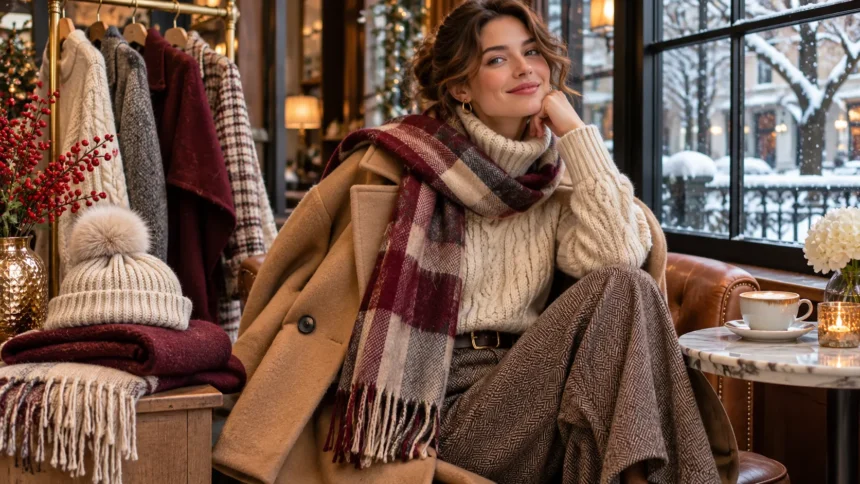
Combining different fabric textures can make winter outfits more visually interesting. Smooth wool, ribbed knitwear, corduroy, and structured tweed create different surface effects. Mixing these materials adds depth while maintaining a coordinated appearance. The key is choosing pieces that complement one another rather than competing for attention.
For example, a chunky knitted sweater can pair beautifully with smooth wool trousers. A corduroy jacket can also complement a fine merino top. These combinations balance heavier textures with simpler surfaces. Neutral colors help connect contrasting materials, while carefully selected accent colors can introduce personality without overwhelming the outfit.
Accessories offer another opportunity to experiment with winter textures. A knitted scarf can complement a structured wool coat, while leather boots add contrast to soft clothing. Choose practical pieces that support warmth and comfort. Thoughtful texture combinations make familiar garments feel fresh without requiring an entirely new wardrobe.
Best Warm Winter Fabrics for Office Outfits
Office clothing often needs to balance warmth with a polished appearance. Wool, fine merino knitwear, cashmere, and flannel are useful options for professional wardrobes. These fabrics can provide comfortable insulation without excessive bulk. Their versatility makes them suitable for workplaces with changing indoor temperatures.
A fine wool sweater can be layered over a collared shirt and paired with tailored trousers. Flannel trousers offer another comfortable alternative to lightweight formal pants. A structured wool coat adds warmth during commuting. Choosing breathable layers makes it easier to adjust clothing when moving between heated offices and outdoor environments.
Neutral shades such as gray, navy, black, and camel are useful for coordinating professional winter outfits. Subtle textures can add interest without making the look overly casual. Focus on suitable garment fits and comfortable movement. A practical office wardrobe should support daily activities while maintaining an appearance appropriate for the workplace.
Best Winter Fabrics for Casual Weekend Outfits
Casual winter outfits prioritize comfort, warmth, and ease of movement. Fleece, flannel, corduroy, and knitted wool are popular materials for relaxed clothing. These fabrics work well in sweaters, overshirts, jackets, and trousers. Their varied textures also provide opportunities to create simple outfits with visual interest.
A flannel shirt paired with jeans and a fleece jacket creates a practical weekend combination. Alternatively, wear a knitted sweater with corduroy trousers and comfortable boots. Choose layers according to the weather rather than adding unnecessary bulk. Simple clothing combinations can provide warmth while remaining comfortable during shopping, walking, or casual gatherings.
Casual accessories can improve both function and appearance. Knitted hats, wool scarves, and suitable socks provide additional coverage when temperatures drop. Coordinate colors with existing wardrobe pieces for easier styling. A comfortable winter outfit does not need complicated patterns or expensive clothing to feel complete and practical.
How to Choose Winter Fabrics for Different Climates
Winter temperatures vary considerably between regions, so the same clothing may not work everywhere. Mild winters may require only lightweight sweaters and jackets, while colder climates demand more insulation. Wind, humidity, and precipitation also influence clothing needs. Choosing fabrics according to local conditions helps prevent both overheating and inadequate protection.
In relatively mild winter weather, cotton flannel, lightweight wool, and thin fleece may provide sufficient comfort. Colder conditions may require thicker wool garments, insulated jackets, and suitable thermal layers. Wind-resistant outerwear becomes particularly useful when cold air passes through ordinary clothing. Moisture protection also matters in rainy or snowy environments.
Consider your daily activities before selecting winter clothing. Someone commuting between heated buildings may benefit from removable layers. Outdoor workers or travelers may need more specialized insulation and weather protection. Matching clothing to temperature, activity, and exposure creates a more practical approach than choosing garments based only on seasonal fashion trends.
How to Wash and Maintain Warm Winter Fabrics
Different winter fabrics require different cleaning and maintenance methods. Wool and cashmere may need gentle washing or specialized care, while many polyester fleece garments tolerate routine machine washing. Always follow the manufacturer’s instructions. Proper cleaning helps preserve fabric texture, garment shape, and useful insulating properties.
Avoid exposing delicate winter garments to unnecessary high heat. Excessive drying temperatures can cause shrinkage, distortion, or damage to certain fibers and finishes. Heavy knitted garments may be better dried flat to prevent stretching. Fleece and synthetic insulated clothing should also be cleaned according to their specific care requirements.
Storage matters when winter clothing is not being worn regularly. Clean garments before putting them away and choose a dry, suitable storage space. Fold heavy sweaters to reduce stretching, and use supportive hangers for structured coats. Appropriate maintenance can extend garment life and reduce the need for frequent replacements.
Common Mistakes When Choosing Winter Clothing Fabrics
One common mistake is assuming thicker clothing always provides better warmth. Insulation depends on trapped air, material properties, garment construction, and environmental conditions. A well-designed lightweight insulated jacket may perform better than a poorly constructed heavy coat. Choosing fabrics based on actual performance can improve comfort and practicality.
Another mistake involves ignoring moisture management during physical activity. Clothing that becomes damp may feel uncomfortable and lose some insulating effectiveness. Breathable base layers and adjustable outer layers can help manage changing activity levels. The appropriate combination depends on the weather and intensity of movement.
Finally, avoid purchasing winter clothing without considering care requirements and versatility. Delicate fabrics may require more maintenance than expected, while heavily specialized garments may receive limited use. Choose practical styles that work with your existing wardrobe. Thoughtful purchases can help create a comfortable winter clothing collection without unnecessary spending.
Conclusion
Warm winter fabrics play an important role in keeping clothing comfortable and suitable for cold weather. Wool, cashmere, fleece, flannel, corduroy, and insulated materials offer different benefits depending on their construction. Understanding these differences helps you select garments appropriate for your climate, activities, and personal preferences.
Creating stylish winter outfits becomes easier when you combine suitable layers and complementary textures. A wool sweater, flannel trousers, or fleece jacket can work with many existing wardrobe pieces. Neutral colors and simple accessories make coordination straightforward. Practical layering also allows clothing to adapt to changing temperatures throughout the day.
The best winter wardrobe balances warmth, breathability, durability, and ease of maintenance. Choose quality garments that suit your daily routine and care for them according to their labels. Avoid relying entirely on fabric thickness or fashion trends. With thoughtful selection, warm winter fabrics can provide comfortable and versatile outfit options throughout the colder season.
Frequently Asked Questions
What is the warmest fabric for winter clothing?
Wool and cashmere provide effective insulation, while fleece and insulated garments are also useful. The warmest option depends on fabric thickness, construction, layering, and environmental conditions rather than fiber type alone.
Is wool warmer than polyester fleece?
Both can provide excellent warmth depending on garment construction and thickness. Wool offers natural moisture-management properties, while polyester fleece is often lightweight and quick-drying. Comparing specific garments gives more useful results.
What winter fabric is best for sensitive skin?
Fine merino wool, soft cotton blends, and certain smooth synthetic fabrics may feel comfortable for sensitive skin. Personal reactions vary, so choosing suitable textures and avoiding irritating finishes is important.
Which fabrics are best for winter office outfits?
Fine wool, cashmere, flannel, and lightweight merino knitwear are practical choices for office clothing. They provide comfortable layering options while maintaining a polished appearance suitable for professional environments.
How can I stay warm without wearing bulky winter clothes?
Use lightweight base layers, insulating middle layers, and suitable outerwear. Merino wool, fine fleece, and well-designed insulated jackets can provide warmth without excessive bulk when combined appropriately.