
When left untreated, water damage can threaten the safety of a home’s occupants and compromise the structural integrity of the property. Water intrusion weakens structural materials, encourages bacterial growth, and causes lasting damage throughout your home. Here are some of the long-term effects associated with moisture damage:
Structural Degradation
Components such as the roof, foundation, walls, insulation, and wood framing are vulnerable to water damage. When water infiltrates the roof underlayment and decking, it often leads to leaks. For elements such as wood framing components, moisture causes softening, bowing, or warping as the material absorbs water. This weakens your home’s structural integrity by reducing the load-bearing capacity of these materials. With compromised structural integrity, your property could experience uneven settling.
When water warps wood, it causes floorboards to separate and support beams to bow. This results in wall cracks, along with floor damage or discoloration. In the foundation, water infiltrates improperly sealed areas, leading to the erosion of concrete or bricks. This creates structural defects, weakens the property’s durability, and makes your home unsafe to live in. When water infiltrates insulation, it also compromises its integrity and diminishes its ability to maintain consistent indoor temperatures. Taking quick action to remove water damage helps prevent more extensive repair needs.
Utility Damage
When water comes into contact with electrical wiring, it damages systems and increases the risk of severe electrical shock, power outages, or fires caused by short circuits. Without proper remediation, these issues require more frequent repairs and create ongoing safety concerns. Water also allows untreated moisture to corrode and deteriorate plumbing, worsening the effects of moisture exposure. Moisture also interferes with appliances, causing unexpected malfunctions as internal components deteriorate. Prompt water damage restoration helps protect these systems, reduce the risk of further deterioration, and keep your home operating safely and efficiently.
Health Issues
Water damage creates conditions that support mold and mildew growth. When biological growth develops on materials such as drywall, personal belongings, structural components, or basement surfaces, it contributes to material deterioration. Mold also releases spores into the indoor environment, which is a concern for occupants, particularly those with allergies or sensitivities. Exposure to allergens associated with mold may result in reactions affecting areas such as:
- Respiratory system
- Skin
- Eyes
Over time, moisture accumulation on your property also creates conditions that attract insects and other pests. Moisture provides a source of water for insects and other pests, while damp areas create conditions that support pest activity. Drying wet materials, using dehumidifiers, and improving airflow help control excess moisture and reduce conditions that support mold and pest activity.
Unusual Odors
Biological growth affects indoor air quality by producing musty odors that linger in areas with excess moisture. Mold and mildew growth often develops on damp surfaces, while absorbed water in carpets, walls, and personal belongings contributes to persistent odors. Porous materials are particularly susceptible because moisture and odor-producing substances become trapped within their fibers or surfaces.
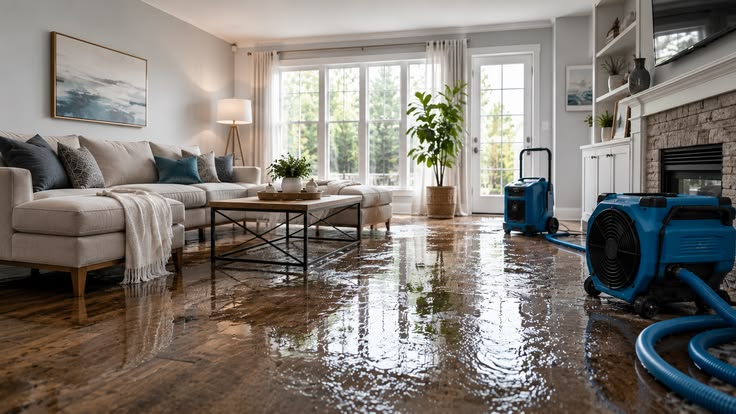
These odors often remain noticeable until affected materials receive proper cleaning and drying. Professional remediation companies address the underlying moisture and clean affected areas to help restore fresher indoor air. During water extraction, professional teams use equipment and cleaning products to dry affected areas and address odor sources, including:
- Blowers
- Dehumidifiers
- Air movers
- Cleaning products
Work With Water Damage Remediation Specialists
Professional remediation specialists help prevent long-term property damage by identifying and addressing the source of moisture problems. Equipped with industrial-grade tools, they locate hidden moisture, remove standing water, and thoroughly dry affected areas; this helps limit further deterioration of structural materials and other belongings. Partner with a professional remediation specialist today to mitigate the effects of water intrusion.