
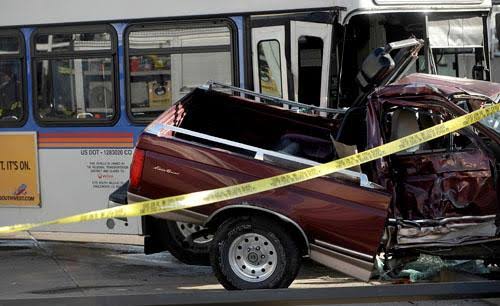
A mass transit collision often involves complex liability issues and government regulations. A Denver bus accident attorney assists with the statutory deadlines and filing requirements that apply to personal injury claims. Here are the steps individuals should take following a bus accident:
Report the Incident
Reporting a public transit accident to emergency dispatchers creates a record of the event. Municipal entities and insurers require verification before processing claims; calling law enforcement to the scene serves as a protective measure. Responding officers document the circumstances of the accident, creating an initial record for an injury claim.
Seek Medical Attention
Individuals should seek prompt medical attention after a transit collision. Some injuries are not immediately apparent, and symptoms often develop or become more noticeable later. Although an adrenaline response can temporarily affect the perception of pain, a medical evaluation helps document a person’s condition after the collision.
Some forms of internal bleeding require immediate medical attention. A medical evaluation also establishes a record of the person’s condition following the collision. Diagnostic reports and imaging results provide documentation that insurance companies and legal professionals review when evaluating injury claims.
A Denver bus accident attorney may review clinical records when assessing a damages claim. Medical bills and information about prognosis provide documentation relevant to the financial effects of an injury. Clinical records, treatment history, and other supporting documentation inform the evaluation of damages and the amount sought in a claim.
Document the Crash Scene
Photographs of a collision scene provide visual documentation of the conditions at the time of the incident. Transit vehicles are often moved after a collision to restore traffic flow, and details such as skid marks and scattered debris can become unavailable once the scene changes. Individuals should document the surrounding area when it is safe to do so, while attorneys review those materials when evaluating an injury or damages claim. Photographs and other visual documentation to collect include:
- Construction hazards near the collision site
- Nearby surveillance cameras
- License plates of the vehicles involved
Gather Witness Details
Obtaining contact information from witnesses after a collision provides a way to preserve their observations. Passengers, pedestrians, and nearby motorists often have firsthand information about the incident; their accounts provide additional information when liability is disputed. When questions arise about the circumstances of a collision, witness statements form part of the documentation used to evaluate the events.
Investigative efforts also contribute to the information an attorney reviews when handling an injury claim. Lawyers examine witness accounts alongside other evidence, and they may incorporate relevant documentation into settlement negotiations. If an insurance dispute proceeds to litigation, attorneys follow applicable procedures for obtaining witness testimony and presenting evidence in court.
Obtain Police Reports
Obtaining a law enforcement report provides documentation of a reported collision and the circumstances recorded by responding officers. Officers often document vehicle positions and record other details observed at the scene. When liability is disputed, the report provides information for attorneys and insurance companies to review. Attorneys review police reports as part of the evidence related to a collision. They also review information from municipal departments and examine relevant details recorded in the report. An officer’s observations or citation provide additional information for evaluating the circumstances of the collision and the basis for an injury or damages claim.
Contact a Denver Bus Accident Attorney
Post-accident protocols help a survivor move from crisis management to legal resolution. Because transit claims often involve specific liability rules, thorough preparation helps organize the evidence relevant to a dispute. Contact an injury attorney to learn more about their services.