

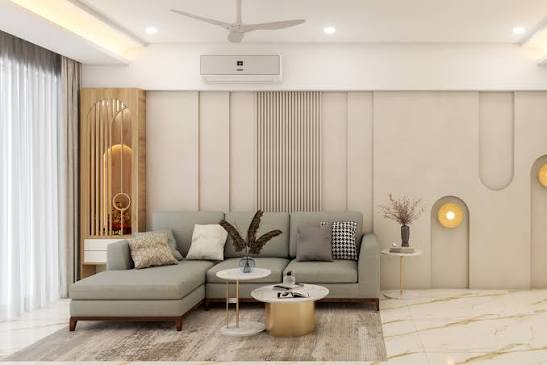
Choosing the right flooring is an important part of creating a comfortable, practical, and attractive home. Flooring affects how a room looks, feels, and functions, so the best material for one room may not be the best choice for another.
A bathroom needs flooring that can handle moisture, while a bedroom may benefit from something warm and comfortable. A busy hallway requires durability, whereas a living room may place greater emphasis on appearance and comfort.
When choosing flooring, consider the room’s purpose, foot traffic, moisture levels, maintenance requirements, budget, and overall interior design. Current flooring guidance emphasizes these factors rather than selecting a material based on appearance alone.
Why Choosing the Right Flooring Matters
Flooring is one of the largest visual surfaces in a home. It can influence the atmosphere of an entire room and affect how furniture, wall colors, lighting, and accessories appear.
The right floor should also withstand the conditions of the room. Kitchens and bathrooms may experience spills and moisture, while entryways and hallways can receive heavy foot traffic. Bedrooms and living rooms may have different priorities, such as comfort and warmth.
A good flooring decision balances appearance with everyday performance.
Consider the Room Before Choosing Flooring
Before purchasing flooring, think about how the room is used.
Ask yourself how much foot traffic the area receives, whether water or spills are common, whether children or pets use the space, how frequently the floor will need cleaning, and how much maintenance you are willing to perform.
You should also consider the condition of the subfloor, the amount of natural sunlight, and whether underfloor heating is being used. These factors can affect which materials are suitable.
Best Flooring for the Living Room
The living room is often one of the most visible and frequently used spaces in a home. It needs flooring that combines durability, comfort, and style.
Hardwood is a popular option because it provides a natural and timeless appearance. It can also be refinished over time, helping it remain attractive for many years with proper care. Engineered hardwood can provide a similar appearance while offering different installation and moisture-resistance characteristics.
Luxury vinyl plank is another practical choice, particularly for busy households. It can provide the appearance of wood while offering resistance to moisture and everyday wear.
Carpet can be suitable when softness and warmth are priorities. It can also help reduce sound, making it useful in family rooms and other areas where comfort is important.
Best Flooring for the Kitchen
Kitchen flooring needs to deal with food spills, moisture, dropped objects, and frequent cleaning.
Porcelain or ceramic tile is a popular choice because it is durable and moisture resistant. Vinyl flooring can also be a practical option because many varieties are water resistant, easy to clean, and available in many designs.
Luxury vinyl plank and hybrid resilient flooring can be particularly useful for households looking for wood-style flooring with greater moisture resistance.
For kitchens, also consider slip resistance and how easily the surface can be cleaned.
Best Flooring for the Bathroom
Bathrooms require especially careful flooring selection because water and humidity are common.
Porcelain and ceramic tile are widely used because they can handle moisture effectively. Waterproof or highly water-resistant vinyl products are another option.
Safety should be an important consideration. A bathroom floor should provide appropriate slip resistance, particularly around showers, bathtubs, and other areas where water may collect.
Avoid choosing a bathroom floor solely because it looks attractive. Check the manufacturer’s specifications for moisture resistance and suitability for wet areas.
Best Flooring for the Bedroom
Bedrooms generally experience less foot traffic than kitchens, hallways, and entryways. This gives you more flexibility when choosing flooring.
Carpet can provide softness and warmth underfoot, making it a comfortable choice for bedrooms. Hardwood, engineered wood, laminate, and luxury vinyl can also work well when paired with rugs.
Neutral flooring can be especially useful in bedrooms because it can complement different furniture and decorating styles over time.
Best Flooring for the Dining Room
Dining rooms need flooring that can handle chairs moving across the surface as well as occasional food and drink spills.
Hardwood, engineered wood, laminate, tile, and suitable vinyl flooring can all work well depending on the home’s design and maintenance needs.
If you choose a material that is vulnerable to stains or moisture, consider how quickly spills can be cleaned. Choosing a durable and relatively easy-to-maintain surface can make everyday dining much easier.
Best Flooring for the Entryway
The entryway often receives some of the heaviest wear in the house. Shoes can bring in dirt, moisture, and grit, so durability is particularly important.
Porcelain or ceramic tile, luxury vinyl, and other durable surfaces can work well in entrances. Choose a material that is easy to clean and appropriate for the amount of moisture your entryway encounters.
Color can also matter. Very light flooring may show dirt more easily, while extremely dark surfaces can make dust and pet hair more visible.
Best Flooring for Hallways
Hallways experience repeated foot traffic, so durability should be a priority.
Hardwood, engineered wood, laminate, tile, and luxury vinyl are possible choices. Ideally, hallway flooring should coordinate with the adjoining rooms to create a consistent visual flow.
If you are using different flooring materials throughout your home, transitions should be planned carefully so the changes look intentional rather than disconnected.
Best Flooring for a Home Office
A home office needs flooring that supports comfortable movement while complementing the room’s overall design.
Hard flooring such as engineered wood, laminate, or luxury vinyl can provide a clean and professional appearance. A suitable area rug can add warmth and reduce noise.
If an office chair will be used regularly, consider how its wheels and movement may affect the flooring. A protective mat may help prevent scratches or excessive wear.
Best Flooring for a Laundry Room
Laundry rooms can experience leaks, splashes, humidity, and heavy appliance loads. Moisture resistance should therefore be one of the main considerations.
Porcelain tile, ceramic tile, waterproof vinyl, and other appropriate water-resistant flooring products can be suitable options.
The floor should also be easy to clean because laundry rooms can accumulate dust, detergent residue, and moisture.
Best Flooring for Children’s Rooms
Children’s rooms require flooring that is comfortable, durable, and relatively easy to clean.
Carpet can provide a soft surface for playing, while vinyl, laminate, or engineered wood can make cleaning easier.
If choosing hard flooring, an area rug can create a softer play surface. For carpets and rugs, consider durability and how easily stains can be removed.
Best Flooring for Homes With Pets
Pets can influence flooring decisions because claws, accidents, dirt, and hair can create additional wear.
Luxury vinyl is one option because many products are resistant to moisture and stains. Tile is another durable choice, particularly in areas where accidents or frequent cleaning are concerns.
Hardwood can also work in pet-friendly homes, but scratches and moisture should be considered. Rugs and regular maintenance can help protect the surface.
Hardwood vs. Engineered Hardwood
Hardwood remains a popular choice for homeowners who want a natural, timeless appearance. Solid hardwood can often be sanded and refinished multiple times, which can extend its useful life considerably.
Engineered hardwood consists of a wood surface over a manufactured core. It can provide the appearance of hardwood while offering different performance characteristics and installation possibilities.
The choice depends on the room, budget, moisture conditions, installation method, and long-term expectations.
Laminate Flooring
Laminate flooring is designed to reproduce the appearance of materials such as wood while generally offering a lower-cost alternative.
It can be scratch resistant, easy to maintain, and relatively straightforward to install. However, not every laminate product has the same moisture resistance. If you are considering laminate for a kitchen, bathroom, or other moisture-prone location, check the manufacturer’s specifications carefully.
Vinyl Flooring
Vinyl has become a versatile flooring option for many areas of the home.
Luxury vinyl plank and luxury vinyl tile can imitate wood and stone while offering water and stain resistance. Vinyl is also available in different installation formats and price ranges.
It can be particularly useful for kitchens, bathrooms, laundry rooms, entryways, and homes with children or pets.
Tile Flooring
Tile is a strong choice when durability and moisture resistance are important.
Porcelain is dense and highly resistant to moisture, while ceramic provides a wide range of styles and applications. Natural stone can create a distinctive appearance but may require sealing and additional maintenance depending on the material.
Tile can last for many years when correctly installed and maintained, but hard surfaces can feel less comfortable than carpet or some resilient flooring.
Carpet Flooring
Carpet can provide warmth, softness, and sound absorption.
It is particularly common in bedrooms, living areas, and other spaces where comfort is a priority. However, carpet can require more intensive cleaning than some hard flooring options and may not be the best choice for rooms that regularly experience moisture.
If you choose carpet, consider the fiber, pile, color, expected traffic, and cleaning requirements.
Think About Maintenance
Every flooring material requires some level of maintenance.
Hardwood may eventually require refinishing. Carpet needs regular vacuuming and periodic deep cleaning. Tile requires cleaning of the surface and, depending on the installation, grout maintenance. Vinyl and laminate are generally relatively easy to clean but still require care appropriate to the manufacturer’s instructions.
Choosing a floor that matches your willingness to maintain it can prevent frustration later.
Consider Color and Room Size
Floor color can influence how a room feels.
Lighter floors can help a room appear brighter and more spacious, while darker floors can create a warmer or more dramatic atmosphere. However, lighter surfaces can make certain dirt and stains more visible, while darker floors may show dust or pet hair more clearly.
Consider the amount of natural light entering the room and how the flooring will work with your walls, furniture, and other finishes.
Think About Long-Term Value
Flooring is an investment, so consider more than the initial purchase price.
Installation, underlayment, subfloor preparation, maintenance, repairs, and expected lifespan can all affect the total cost. A cheaper floor may not necessarily be the most economical choice if it requires frequent replacement.
Current flooring guidance also recommends considering installation costs and the expected lifespan of different materials when comparing options.
Don’t Forget the Subfloor
The surface underneath your new flooring is just as important as the flooring itself.
A level, structurally sound subfloor can help flooring perform properly. Uneven or damaged subfloors may need repair before installation.
If you are unsure about the condition of your subfloor, having it inspected before purchasing materials can help prevent unexpected problems.
Order Enough Flooring
When purchasing flooring, remember to account for cutting, installation waste, and future repairs.
The exact amount of additional material depends on the flooring type and installation pattern, but flooring guidance commonly recommends purchasing extra material rather than ordering only the exact measured square footage.
Keeping leftover flooring can be useful if a section needs repair several years later and the original product is no longer widely available.
Final Thoughts
Choosing the right flooring for each room is about finding the balance between appearance, durability, comfort, maintenance, moisture resistance, and budget.
Hardwood and engineered wood can create warmth and timeless style in living rooms and bedrooms. Tile and water-resistant flooring can be practical choices for kitchens and bathrooms. Vinyl and laminate offer versatile alternatives for busy households, while carpet can provide softness and warmth in bedrooms and living spaces.
Instead of choosing one flooring material for the entire house simply because it looks attractive, consider what each room needs. A thoughtful room-by-room approach can help you create a home that looks cohesive while remaining comfortable and practical for everyday life.
Frequently Asked Questions
1. What is the best flooring for the whole house?
There is no single flooring type that is ideal for every home. The best option depends on moisture, traffic, lifestyle, budget, and the function of each room.
2. What flooring is best for bathrooms?
Porcelain tile, ceramic tile, and suitable waterproof or water-resistant vinyl products are commonly used in bathrooms. Slip resistance should also be considered.
3. Is vinyl flooring good for kitchens?
Yes. Many vinyl products are moisture resistant, easy to clean, and durable enough for busy kitchens. Always check the specific product’s installation and moisture-resistance specifications.
4. Is hardwood suitable for bedrooms?
Yes. Hardwood can provide a warm, natural appearance and works particularly well in dry areas such as bedrooms when properly installed and maintained.
5. What is the easiest flooring to maintain?
Vinyl and laminate are generally among the easier flooring types to maintain. However, maintenance requirements vary by product, so manufacturer instructions should always be followed.
6. What flooring is best for homes with pets?
Water-resistant vinyl and tile can be practical choices for homes with pets because they can handle moisture and are relatively easy to clean. Other flooring types can also work with appropriate protection and maintenance.
7. Is tile better than hardwood?
Neither is automatically better. Tile generally offers strong moisture resistance and durability, while hardwood provides natural warmth and can be refinished. The right choice depends on the room and your priorities.
8. What flooring makes a small room look bigger?
Lighter flooring colors can make a room appear brighter and more spacious. Using consistent flooring across connected areas can also create a more continuous visual effect.
9. How long can flooring last?
Lifespan varies substantially by material, installation quality, traffic, and maintenance. For example, current guidance gives approximate ranges of 10–25 years for luxury vinyl plank, 15–25 years for laminate, and potentially decades for properly maintained hardwood and tile.
10. Should all rooms have the same flooring?
Not necessarily. Using different flooring materials can make sense because different rooms have different requirements. However, colors, tones, and transitions should coordinate so the overall home still feels visually connected.