
A small bathroom can feel cramped, but limited floor space does not mean you have to sacrifice comfort or style. With thoughtful planning, the right fixtures, and smart storage solutions, even a compact bathroom can feel spacious, organized, and functional.
The key is to make every part of the room work efficiently while keeping the design visually open. From wall-mounted fixtures to strategic lighting, small changes can make a significant difference.
Choose a Wall-Mounted Vanity
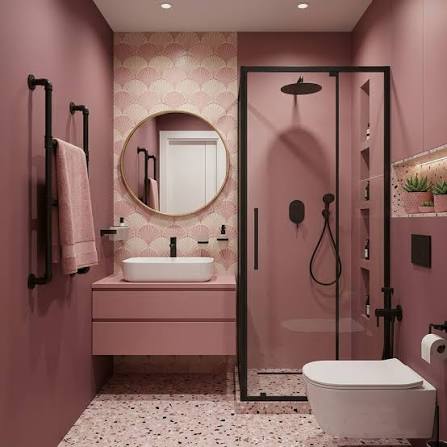
A wall-mounted vanity can make a small bathroom feel more open because it leaves visible floor space underneath.
Choose a compact vanity with drawers or cabinets to provide useful storage without taking up unnecessary room. A floating design can also make cleaning the floor easier.
Use a Corner Sink
A traditional sink can occupy valuable floor and wall space. A corner sink can be a practical alternative when the bathroom layout is particularly tight.
Positioning the sink in an unused corner can improve movement through the room while still providing the functionality you need.
Install a Walk-In Shower
Replacing a bulky bathtub with a compact walk-in shower can create additional usable space.
A frameless glass enclosure is particularly effective because it allows the eye to travel through the entire room rather than being stopped by an opaque shower curtain or solid enclosure.
Choose a Sliding Shower Door
A conventional shower door that swings outward needs additional clearance. In a small bathroom, that space can be difficult to spare.
A sliding or bypass shower door eliminates much of this clearance requirement and can make the room easier to navigate.
Use Large-Format Tiles
Large tiles can create the visual impression of a larger bathroom because they reduce the number of grout lines across walls and floors.
Choose a simple, consistent tile design to maintain a clean appearance. The right tile can make walls and floors appear more continuous.
Install a Large Mirror
A strategically positioned mirror can make a small bathroom feel considerably more spacious.
A large mirror above the vanity reflects light and creates greater visual depth. For additional functionality, consider a mirrored medicine cabinet that combines reflection with concealed storage.
Take Advantage of Vertical Space
When floor space is limited, look upward.
Tall cabinets, wall-mounted shelves, and vertical storage units can provide additional storage without reducing valuable floor area.
Open shelving can also keep frequently used items accessible, although concealed storage may be preferable for maintaining a cleaner appearance.
Use Recessed Storage
Recessed cabinets and shower niches can provide storage without extending significantly into the room.
A recessed shower niche is particularly useful for shampoo, soap, and other bathing products because it keeps these items organized without requiring a separate shelf.
Select a Compact Toilet
Compact toilets can save valuable space while providing the same basic functionality as standard models.
Wall-mounted toilets can also create a more streamlined appearance and make the floor easier to clean. However, installation requirements and access for maintenance should be considered before choosing this option.
Keep the Color Palette Light
Light colors can make a small bathroom feel brighter and more open.
White, cream, light gray, soft beige, and other subtle shades can reflect more light and create a spacious atmosphere. This does not mean the bathroom needs to be completely white; carefully chosen accent colors can add personality without overwhelming the room.
Improve the Lighting
Good lighting can dramatically change how a small bathroom feels.
Combine general lighting with focused illumination around the vanity and mirror. If possible, make use of natural light through a window or skylight.
Avoid relying on a single dim light source, as dark areas can make the bathroom appear smaller.
Choose Clear Glass Shower Panels
Clear glass creates visual continuity between the shower and the rest of the bathroom.
Unlike frosted or heavily framed enclosures, transparent glass allows light to move through the entire space and reduces visual barriers.
Use Pocket Doors
A traditional hinged bathroom door requires space to swing open. A pocket door slides into the wall, freeing up valuable floor area.
If structural conditions permit, this can be an effective solution for particularly small bathrooms.
Keep the Floor Uncluttered
A crowded floor can make a small bathroom feel even smaller.
Wall-mounted vanities, floating shelves, and wall-hung accessories can help keep the floor clear. Use storage systems to keep toiletries and cleaning products organized.
Install Hooks Instead of Towel Bars
Hooks can be more space-efficient than traditional towel bars.
Place them on unused wall sections or behind the door where appropriate. Multiple hooks can provide convenient storage for towels and robes without requiring a large installation area.
Use Multi-Functional Furniture
Every item in a small bathroom should ideally serve a useful purpose.
A mirrored medicine cabinet, vanity with integrated storage, or shelving system with towel hooks can provide several functions within a small footprint.
Avoid Oversized Fixtures
Large fixtures can overwhelm a compact bathroom.
Before purchasing anything, carefully measure the available space and compare fixture dimensions with the room’s layout. Leaving enough clearance around toilets, sinks, and showers is essential for comfortable use.
Create a Consistent Design
Too many patterns, materials, and colors can make a small room feel visually busy.
Using a consistent palette across the walls, floor, fixtures, and accessories creates a more unified appearance. Small decorative details can then provide contrast without dominating the room.
Add Stylish Accessories Carefully
A small bathroom can still have personality.
Choose a few carefully selected accessories, such as artwork, plants suitable for humid environments, attractive towels, or decorative containers. Avoid excessive decoration that consumes valuable counter or floor space.
Frequently Asked Questions
How can I make a small bathroom look bigger?
Use light colors, large mirrors, clear glass, good lighting, streamlined fixtures, and uncluttered surfaces. These features can create the impression of greater space.
What type of shower is best for a small bathroom?
A compact walk-in shower with clear glass can be an excellent choice because it provides functionality while maintaining an open visual appearance.
Are wall-mounted toilets good for small bathrooms?
They can be useful because they create a streamlined appearance and leave more visible floor space. However, installation requirements should be considered before choosing one.
How can I add storage without making the bathroom feel crowded?
Use vertical and recessed storage, wall-mounted cabinets, shower niches, and compact vanities. These solutions provide storage while minimizing their impact on floor space.
Should a small bathroom always be white?
No. Light colors can help create an open feeling, but soft neutrals, muted colors, and carefully selected darker accents can also work well.
Is a bathtub practical in a small bathroom?
A bathtub can work if the layout allows sufficient clearance, but a compact shower may provide more usable space. The best option depends on your household’s needs and the room’s dimensions.
Conclusion
A small bathroom can be both practical and attractive when every design decision is made with space in mind. Wall-mounted fixtures, smart storage, clear shower glass, large mirrors, light colors, and effective lighting can all help create a more open environment.
Instead of trying to fit too many features into a limited area, focus on functionality and simplicity. With thoughtful planning, even a compact bathroom can become a comfortable, organized, and stylish part of your home.