

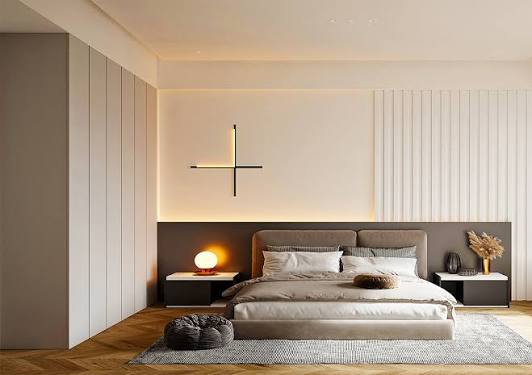
Bedroom lighting can have a major effect on the comfort, atmosphere, and functionality of your space. The right lighting can make a bedroom feel warm and relaxing while also providing enough illumination for practical activities such as reading, dressing, cleaning, or getting ready in the morning.
Choosing bedroom lighting is about more than selecting an attractive fixture. You need to consider the size of the room, natural light, furniture arrangement, ceiling height, daily routines, and the atmosphere you want to create.
With a thoughtful combination of ambient, task, and accent lighting, you can create a bedroom that feels comfortable and works well throughout the day.
Understand the Different Types of Bedroom Lighting
Before choosing fixtures, it helps to understand the three main types of lighting commonly used in interior design.
Ambient lighting provides general illumination throughout the room. Ceiling fixtures, chandeliers, and recessed lights are common examples.
Task lighting provides focused illumination for specific activities. Bedside lamps, reading lights, and dressing-area lighting are examples.
Accent lighting is primarily used to highlight decorative or architectural features. Wall lights, picture lights, and decorative LED strips can create this effect.
Using more than one type of lighting usually produces a more flexible and comfortable bedroom.
Consider the Size of Your Bedroom
The size of your bedroom should influence both the number and type of lights you choose.
A small bedroom may only need a central ceiling fixture combined with bedside lighting. A larger bedroom may benefit from several lighting zones to prevent dark areas.
Avoid relying on a single very bright fixture to illuminate a large room. Multiple sources of softer light can create a more balanced atmosphere.
Think About Natural Light
Natural light should be considered before planning artificial lighting.
Observe how much daylight enters the bedroom throughout the day. A room with large windows may require less artificial lighting during daylight hours, while a darker room may need stronger general illumination.
Curtains and blinds also affect natural light. Combining suitable window treatments with adjustable artificial lighting gives you more control over the room’s brightness.
Choose a Comfortable Color Temperature
The color temperature of a light source affects how a bedroom feels.
Warm white lighting generally creates a softer and more relaxing atmosphere, making it a popular choice for bedrooms. Cooler light can appear more energetic and may be useful for specific task areas, such as a dressing space.
You do not necessarily need the same color temperature throughout the room. Different lighting zones can be selected according to their purpose, provided they still create a visually consistent environment.
Use Dimmable Lighting
Dimmable lighting gives you greater control over brightness.
You may want brighter light while getting dressed or cleaning the bedroom, but prefer a much softer level when relaxing in the evening.
Dimmers can therefore make one lighting system suitable for several activities. Make sure the bulbs, fixtures, and dimmer controls are compatible.
Choose the Right Bedside Lighting
Bedside lighting is one of the most important elements in a bedroom.
Table lamps can provide a warm decorative touch, while wall-mounted reading lights can save space on small bedside tables. Adjustable fixtures are particularly useful if you regularly read in bed.
The light should provide enough illumination for reading without creating excessive glare or disturbing someone sleeping nearby.
Consider Pendant Lights
Pendant lights can provide an attractive alternative to traditional bedside lamps.
Hanging a pendant on each side of the bed can create symmetry and free up bedside table space. However, the fixtures should be positioned carefully so they do not interfere with movement or create uncomfortable glare.
Pendant lighting can work particularly well in bedrooms with contemporary or minimalist interiors.
Use Wall Sconces
Wall sconces are another practical option for bedrooms.
They can provide bedside illumination without taking up floor or table space. Some models have adjustable arms or directional heads, making them useful for reading.
Sconces can also become decorative features that complement the overall bedroom design.
Illuminate the Dressing Area
Good lighting is particularly important around wardrobes, dressers, and mirrors.
A poorly lit dressing area can make it difficult to distinguish colors or see details clearly. Consider placing suitable lighting near the wardrobe or dressing mirror.
Vertical lighting on either side of a mirror can help provide more balanced illumination than a single light positioned directly above it.
Add Lighting Inside Wardrobes
If your wardrobe is deep or poorly illuminated, integrated lighting can make finding clothing easier.
Motion-activated lights can be especially convenient because they can illuminate the wardrobe when the door is opened or movement is detected.
When installing lighting inside enclosed storage areas, use products specifically designed and suitable for that application.
Consider Ceiling Lighting Carefully
A central ceiling fixture can provide useful general illumination, but it does not have to be the only light source.
Flush-mounted fixtures can work well in rooms with lower ceilings, while pendant fixtures or chandeliers may suit rooms with more ceiling height.
Choose a fixture that provides sufficient illumination without being disproportionately large for the room.
Use Accent Lighting to Add Atmosphere
Accent lighting can make a bedroom feel more layered and visually interesting.
You can use it to highlight artwork, architectural details, decorative walls, shelving, or other features.
Subtle accent lighting is often more effective in a bedroom than extremely bright decorative lighting because the goal is usually to create a calm environment.
Avoid Excessive Glare
Glare can make bedroom lighting uncomfortable.
Bare bulbs, highly reflective surfaces, and poorly positioned fixtures can create harsh points of brightness. Shades, diffusers, frosted materials, and indirect lighting can help soften the effect.
Pay particular attention to lights positioned near beds, mirrors, televisions, and work areas.
Match Lighting With Your Bedroom Style
Lighting fixtures should complement the room’s interior design.
A minimalist bedroom might suit simple recessed lights, slim wall sconces, or understated pendant fixtures. A traditional bedroom could work well with fabric-shaded lamps or decorative chandeliers.
The fixture does not need to match every piece of furniture exactly. Instead, aim for a consistent relationship between lighting, colors, materials, and overall style.
Consider Smart Bedroom Lighting
Smart lighting can provide additional convenience.
Depending on the system, you may be able to schedule lights, adjust brightness, control them from a smartphone, use voice commands, or create different lighting scenes.
A gentle morning lighting routine can be useful for gradually increasing illumination, while a low-brightness evening setting can create a softer atmosphere.
Choose smart features based on practical needs rather than adding unnecessary complexity.
Think About Energy Efficiency
Energy-efficient lighting can reduce electricity consumption while providing effective illumination.
LED bulbs are widely used because they can provide efficient lighting and are available in many brightness levels, shapes, and color temperatures.
When replacing existing fixtures, check compatibility and choose a bulb with suitable brightness for the intended use.
Plan Around Your Furniture
Furniture placement should influence the position of bedroom lighting.
Bedside fixtures should be convenient to reach. A dressing light should illuminate the mirror without producing uncomfortable shadows. Ceiling fixtures should provide general coverage without being blocked by tall furniture.
Planning lighting and furniture together can produce a more balanced room.
Create Separate Lighting Zones
A bedroom becomes more versatile when different areas can be controlled independently.
For example, bedside lights can remain on while the main ceiling light is off. Dressing-area lighting can be brighter than the rest of the room, while accent lights can remain at a low level.
Separate controls allow the bedroom to adapt to different activities without illuminating the entire space.
Think About Maintenance
Lighting fixtures require occasional cleaning and bulb replacement or servicing.
Choose designs that are reasonably easy to access and clean. Dust can reduce the amount of light produced by some fixtures and can make decorative shades look dull.
For hard-to-reach ceiling fixtures, consider how they will be safely maintained before installation.
Frequently Asked Questions
What type of lighting is best for a bedroom?
A combination of ambient, task, and accent lighting generally provides the greatest flexibility. Warm, adjustable lighting is often suitable for creating a comfortable bedroom atmosphere.
Should bedroom lights be warm or cool?
Warm white lighting is commonly preferred for bedrooms because it creates a softer atmosphere. However, task areas such as dressing spaces may benefit from different lighting depending on the activity.
How many lights should a bedroom have?
There is no universal number. The appropriate amount depends on room size, ceiling height, natural light, furniture layout, and the activities performed in the room.
Are LED bulbs good for bedrooms?
Yes. LED bulbs are available in many brightness levels and color temperatures and can provide an energy-efficient option for bedroom lighting.
Should bedside lamps be the same?
Matching bedside lamps can create symmetry, but they do not have to be identical. Coordinated fixtures with similar proportions and finishes can produce a balanced appearance.
Is a dimmer switch useful in a bedroom?
Yes. A dimmer allows the lighting level to be adjusted for different activities, from reading and dressing to relaxing before bedtime.
Can smart lighting be used in bedrooms?
Yes. Smart lighting can provide features such as scheduling, remote control, dimming, voice commands, and customized lighting scenes when compatible products are used.
Conclusion
Choosing the right bedroom lighting involves balancing comfort, practicality, design, and flexibility. Instead of depending on a single ceiling fixture, consider combining ambient lighting with bedside task lighting and subtle accent illumination.
Think carefully about natural light, room size, furniture placement, color temperature, brightness, glare, and energy efficiency. Dimmable and smart lighting can provide additional control when those features suit your lifestyle.
With the right combination of fixtures and controls, bedroom lighting can make the room more comfortable during the evening, more functional during the day, and more visually appealing overall.