
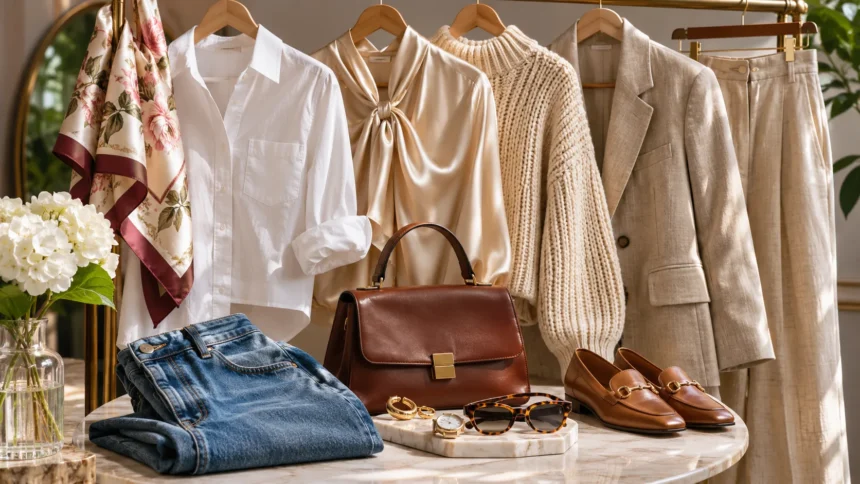
What Are Fabric Types for Clothing?
Fabric types for clothing refer to the different materials used to make garments, including cotton, linen, silk, wool, polyester, and denim. Each fabric has unique qualities that affect comfort, appearance, durability, and styling. Understanding these differences helps you select clothes that suit your lifestyle, personal preferences, and everyday activities.
Some clothing fabrics feel lightweight and breathable, while others provide warmth, structure, or flexibility. Natural fabrics come from plant or animal fibers, whereas synthetic fabrics are manufactured through chemical processes. Both categories offer useful benefits, depending on how the material is made and where you plan to wear it.
Choosing the right material makes everyday dressing easier and more enjoyable. For example, cotton works beautifully for casual outfits, while silk creates an elegant appearance for special occasions. Learning about common clothing materials also helps you combine textures, build practical wardrobes, and make more informed shopping decisions.
Understanding Natural and Synthetic Clothing Fabrics
Natural fabrics originate from plants or animals and include cotton, linen, wool, and silk. These materials offer different levels of breathability, softness, insulation, and moisture management. Many people prefer natural fibers because they feel comfortable against the skin and work well across different clothing styles.
Synthetic fabrics include polyester, nylon, acrylic, and elastane, which are manufactured using industrial processes. They often provide useful characteristics such as stretch, durability, wrinkle resistance, and quick drying. However, their comfort and performance depend on fabric construction, thickness, finishes, and the specific fibers used during production.
Blended fabrics combine two or more fiber types to achieve particular performance characteristics. Cotton-polyester blends, for example, can balance softness with wrinkle resistance and durability. When comparing fabric types for clothing, consider fiber content alongside texture, weight, weave, and garment construction rather than judging materials by their names alone.
Cotton Fabric: Comfortable and Easy to Style
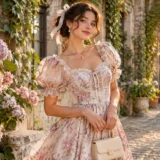
Cotton is one of the most popular fabrics for everyday clothing because it feels soft and comfortable. It is commonly used for T-shirts, shirts, dresses, trousers, and casual basics. Cotton generally absorbs moisture well, making it a practical choice for many daily activities and different weather conditions.
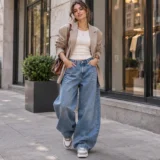
For casual styling, combine a cotton T-shirt with straight-leg jeans and comfortable sneakers. A crisp cotton button-down shirt also works beautifully with tailored trousers for a polished appearance. During warmer months, lightweight cotton dresses and relaxed shirts create breathable outfits without requiring complicated styling techniques.
Cotton fabrics come in several constructions, including jersey, poplin, twill, and brushed cotton. Each variation offers a different texture, weight, and overall appearance. When shopping for cotton clothing, examine the fabric’s thickness and finish to find pieces that provide the comfort, coverage, and structure you prefer.
Linen Fabric: Lightweight and Effortlessly Stylish
Linen is a natural fabric made from flax fibers and is especially popular for warm-weather clothing. Its breathable structure allows air to circulate, making it comfortable in hot conditions. Linen also has a distinctive texture and relaxed appearance that works particularly well for casual and smart-casual outfits.
Linen shirts pair beautifully with cotton trousers, denim shorts, and lightweight skirts. For an easy summer outfit, combine relaxed linen pants with a simple fitted or loose cotton top. Neutral shades such as beige, white, olive, and soft blue create versatile combinations that are easy to coordinate.
One characteristic of linen is its tendency to wrinkle during normal wear. These creases contribute to the fabric’s naturally relaxed appearance, although some people prefer linen blends for reduced wrinkling. Choose carefully constructed linen garments and follow their care instructions to maintain their texture, shape, and overall appearance.
Silk Fabric: Elegant Clothing for Special Occasions
Silk is a natural protein fiber known for its smooth texture, beautiful drape, and subtle shine. It is often used in blouses, dresses, scarves, and occasionwear. Depending on its construction, silk fabric can feel lightweight and flowing or offer a more structured appearance suitable for tailored clothing.
A silk blouse creates an elegant combination when paired with wide-leg trousers or classic denim. Silk scarves can also introduce color and visual interest to simple outfits without overwhelming them. For evening occasions, silk dresses work well with understated shoes, minimal accessories, and complementary layering pieces.
Although silk looks luxurious, its delicate nature requires thoughtful care and handling. Some silk garments need professional cleaning, while others can be gently hand-washed according to their labels. Understanding different silk weaves and finishes helps you choose appropriate garments for everyday styling or more formal occasions.
Wool Fabric: Warm and Practical for Cold Weather
Wool is a natural fiber commonly obtained from sheep and used in sweaters, coats, scarves, and tailored garments. Its insulating properties help maintain warmth during colder weather. Wool fabrics vary considerably in thickness and texture, offering options for both lightweight layers and substantial winter clothing.
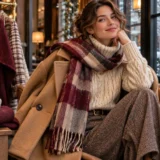
For practical winter styling, combine a wool sweater with denim jeans and a structured coat. Wool trousers also pair well with cotton shirts, fine-knit tops, and comfortable boots. Layering different fabric textures creates visual interest while allowing you to adjust your clothing according to changing temperatures.
Merino wool is especially popular for fine-knit garments because its finer fibers can feel softer against the skin. Heavier wool fabrics, such as tweed and boiled wool, provide different levels of texture and structure. Always check garment care labels because some wool items require gentle washing or professional cleaning.
Polyester and Nylon: Durable Fabrics for Everyday Clothing
Polyester is a widely used synthetic fiber found in shirts, dresses, sportswear, jackets, and many other garments. It is valued for durability, shape retention, and resistance to wrinkling. Polyester fabrics can also be engineered to dry quickly, although their breathability varies depending on construction and finishing techniques.
Nylon is another synthetic material commonly used in outerwear, activewear, and lightweight accessories. Its strength, flexibility, and abrasion resistance make it suitable for garments that experience frequent movement. Nylon jackets, for example, can complement casual outfits when combined with cotton trousers, sneakers, and simple knitwear.
Both fabrics work well in wardrobes that prioritize convenience and easy maintenance. However, synthetic materials can retain odors or feel less comfortable in certain hot conditions, depending on their design. Consider fabric quality, garment fit, and intended use before choosing polyester or nylon clothing for everyday wear.
Denim Fabric: A Versatile Choice for Casual Outfits
Denim is a sturdy woven fabric traditionally made from cotton and recognized for its distinctive twill construction. It is commonly used for jeans, jackets, skirts, and casual shirts. Modern denim may also contain elastane or other fibers to provide additional stretch, flexibility, or comfort.
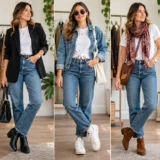
Classic blue jeans combine easily with cotton T-shirts, linen shirts, and lightweight sweaters. For a coordinated outfit, pair a denim jacket with neutral trousers or a simple dress. Experimenting with different denim washes allows you to create casual combinations that feel fresh without requiring an entirely new wardrobe.
Denim comes in different weights, finishes, and stretch levels, which influence how garments look and feel. Lightweight denim is suitable for softer shirts and relaxed dresses, while heavier constructions provide structure. Selecting the right denim style depends on your preferred silhouette, comfort needs, and daily activities.
Stretch Fabrics: Flexible Materials for Comfortable Clothing
Stretch fabrics are designed to expand with movement and recover their shape to varying degrees. Elastane, also called spandex or Lycra in certain branded products, is commonly blended with other fibers to improve flexibility. These materials appear in leggings, fitted trousers, activewear, and many everyday clothing essentials.
Stretch cotton jeans provide more flexibility than traditional rigid denim, making them useful for activities involving frequent movement. Jersey knit fabrics are also popular for comfortable T-shirts, dresses, and relaxed clothing. Combining stretchy garments with structured pieces creates balanced outfits while allowing you to maintain your preferred level of comfort.
Not all stretch materials offer the same durability, recovery, or support. Some fabrics stretch in one direction, while others provide greater flexibility across multiple directions. When purchasing stretch clothing, consider how the garment moves, whether it maintains its shape, and how comfortable it feels during ordinary activities.
Choosing Fabric Types for Different Seasons
Seasonal clothing choices depend on temperature, humidity, activity level, and personal comfort. Lightweight cotton and linen are popular during warmer months because they can promote airflow. However, fabric thickness and construction also matter, since even breathable fibers can feel uncomfortable when used in heavy or tightly constructed garments.
During colder seasons, wool sweaters, fleece layers, and insulated outerwear provide additional warmth. Layering garments allows you to adjust your clothing when moving between indoor and outdoor environments. A cotton base layer paired with wool knitwear and a protective jacket creates a practical combination for many cool-weather situations.
Transitional seasons often require fabrics that work across changing temperatures. Denim jackets, cotton cardigans, and lightweight knitwear offer flexible styling options for spring and autumn. Rather than following strict seasonal fashion rules, choose materials that suit your local climate, daily schedule, and personal comfort preferences.
How to Mix Different Fabric Textures in One Outfit
Mixing fabric textures is an effective way to create visually interesting outfits without relying on bold colors. Smooth silk, textured linen, sturdy denim, and soft knitwear each add a different appearance. Combining contrasting materials creates depth and allows simple clothing pieces to feel more intentional and coordinated.
For example, pair a smooth satin-style blouse with structured denim trousers for a balanced casual outfit. A chunky wool cardigan also complements a lightweight cotton shirt by introducing contrasting textures. When experimenting with fabric combinations, keep the overall color palette relatively simple so the materials remain the main visual feature.
Another useful styling approach involves balancing flowing garments with more structured pieces. A relaxed linen shirt can complement tailored cotton trousers, while a soft knit top works well with a denim skirt. Pay attention to how fabrics drape together, as their movement and thickness affect the final outfit.
How to Choose the Right Fabric for Your Body and Lifestyle
The best clothing fabric is one that supports your comfort, preferences, and everyday activities. People who spend long hours commuting may appreciate durable, easy-care materials. Those working in formal environments might prefer structured cotton, wool blends, or fabrics that maintain a polished appearance throughout the day.
Fabric weight and drape influence how clothing hangs and moves, but there is no single material that suits everyone. Lightweight fabrics tend to create softer movement, while thicker materials often provide more structure. Choose garments based on how they feel and function rather than following rigid rules about which fabrics certain people should wear.
Personal lifestyle also determines how practical a material will be over time. Someone who prefers low-maintenance clothing may find machine-washable cotton blends particularly convenient. People who enjoy delicate garments might appreciate silk or specialty wool, provided they are comfortable following the additional care requirements.
Common Fabric Mistakes to Avoid When Shopping
One common shopping mistake is choosing clothing based entirely on appearance without checking the fabric composition. Two garments may look similar but feel very different because of their materials. Reading clothing labels helps you understand fiber content, washing requirements, and whether an item suits your expected daily use.
Another mistake involves assuming that every natural fabric is automatically better than every synthetic alternative. Each category offers advantages, and garment performance depends on more than fiber origin. Fabric construction, finishing, durability, environmental considerations, and comfort all influence whether a particular material is suitable for your needs.
Ignoring garment care instructions can also reduce the useful life of clothing. Excessive heat, unsuitable detergents, and improper drying may damage delicate fibers or affect garment shape. Taking a few moments to check fabric quality and maintenance requirements before purchasing can prevent unnecessary frustration and help clothes last longer.
Easy Styling Tips for Different Clothing Fabrics
Building outfits around one main fabric is a simple styling method for everyday dressing. Start with comfortable denim jeans, cotton trousers, or a linen skirt as your foundation. Add complementary materials through shirts, sweaters, jackets, or accessories to create variety without making your outfit feel overly complicated.
Color coordination can make different fabrics look more cohesive when worn together. Neutral combinations involving cream, navy, black, gray, and earthy shades work across many styles. For a more expressive appearance, introduce colorful accessories, patterned scarves, or textured layers that complement your existing clothing pieces.
Finally, experiment with fabric combinations that reflect your preferences rather than following every fashion trend. A comfortable cotton shirt with wool trousers can feel just as stylish as a silk blouse with denim. Focus on clean styling, practical layering, and materials that make your clothes enjoyable to wear.
Conclusion
Understanding fabric types for clothing makes it easier to choose garments that match your lifestyle, comfort needs, and personal style. Natural materials such as cotton, linen, silk, and wool offer different textures and performance qualities. Synthetic fibers and blends provide additional options for durability, flexibility, and convenient everyday maintenance.
The most useful wardrobe combines practical clothing materials with pieces that reflect your preferences. Experimenting with denim, knitwear, linen, and other fabrics allows you to develop interesting combinations. You can also create versatile outfits by coordinating colors, balancing textures, and choosing comfortable layers for different weather conditions.
Before purchasing new clothes, consider fabric composition, garment construction, and care requirements. These details often matter more than trends or appearance alone. With a better understanding of clothing fabrics, you can make thoughtful shopping decisions and develop outfits that remain practical, comfortable, and enjoyable to wear.
Frequently Asked Questions
What are the most common fabric types for clothing?
The most common clothing fabrics include cotton, linen, wool, silk, polyester, nylon, and denim. Each material has different characteristics, making it suitable for particular garments, weather conditions, and styling preferences.
Which fabric is best for everyday clothing?
Cotton is a popular choice for everyday clothing because of its softness, versatility, and comfort. However, cotton blends, denim, jersey knit, and other easy-care fabrics may also suit different lifestyles.
What is the best fabric for summer clothing?
Lightweight linen and cotton are excellent summer clothing options because they generally allow comfortable airflow. The best choice also depends on fabric weight, construction, humidity, and your intended activities.
What is the difference between natural and synthetic fabrics?
Natural fabrics come from plant or animal fibers, while synthetic fabrics are manufactured through chemical processes. Both have distinct benefits involving comfort, durability, flexibility, maintenance, and suitability for different clothing styles.
How can I identify good-quality clothing fabric?
Check the garment’s fiber composition, stitching, texture, and overall construction. Quality fabric should feel appropriate for its intended purpose, maintain reasonable shape during handling, and come with clear maintenance instructions.