
Packing clothes neatly can make traveling easier, save valuable luggage space, and help your outfits look fresh when you reach your destination. Whether you are preparing for a weekend getaway, business trip, or extended vacation, an organized suitcase makes a noticeable difference. Poor packing habits can leave clothing wrinkled, create unnecessary clutter, and make it difficult to find what you need.
Learning how to pack clothes neatly involves choosing suitable folding techniques, organizing outfits, and using available space effectively. You do not need expensive travel accessories or complicated methods to keep your luggage organized. This guide covers practical packing techniques, clothing care tips, and simple outfit planning ideas that help you travel with confidence and less stress.
Why Packing Clothes Neatly Makes Traveling Easier
Neat packing helps you use suitcase space efficiently while protecting clothing from unnecessary creases and pressure. When every item has a designated place, you can locate outfits without disturbing the entire bag. This organization is particularly helpful during trips that involve several destinations, quick hotel changes, or limited luggage space.
An organized suitcase can also simplify getting dressed throughout your journey. Instead of searching through mixed clothing, you can quickly identify suitable shirts, trousers, dresses, and accessories. Keeping garments arranged by type or outfit helps reduce decision-making and allows you to spend more time enjoying your travel activities.
Proper packing may also help maintain clothing quality by reducing excessive folding, stretching, and friction. Delicate garments benefit from careful placement, while structured clothing needs protection from heavy objects. Developing a consistent packing routine makes preparing for future trips faster and helps you avoid unnecessary last-minute wardrobe problems.
Choose the Right Suitcase or Travel Bag for Your Clothes
Selecting suitable luggage is the first step toward keeping clothing neatly organized. Your bag should provide enough space for essential garments without requiring excessive compression. Consider the trip length, transportation method, baggage restrictions, and type of clothing you plan to carry before choosing between a suitcase, backpack, or travel duffel.
Hard-shell suitcases provide a structured exterior that can help protect contents from external pressure. Soft-sided luggage may offer flexible compartments and convenient access to smaller items. Neither option automatically prevents wrinkles, so internal organization and careful garment placement remain important regardless of the luggage style you choose.
Look for practical features such as internal straps, separate compartments, and secure closures. These details can help prevent clothing from shifting during transportation. A suitcase that is too large may allow items to move around excessively, while an overfilled bag can compress garments and make unpacking more difficult.
Plan Your Outfits Before You Start Packing
Outfit planning is one of the easiest ways to avoid carrying unnecessary clothing. Before packing, consider your destination, expected weather, planned activities, and any dress requirements. Creating a simple wardrobe plan helps you choose garments that work together rather than filling your suitcase with unrelated pieces.
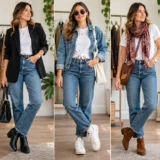
Select versatile basics that can be combined into several different outfits. Neutral trousers, comfortable jeans, plain tops, and lightweight layers often provide multiple styling possibilities. Add a few distinctive pieces, such as a patterned shirt or colorful accessory, when you want variety without packing an entirely separate outfit for every occasion.
Think about footwear and accessories while building each outfit because they affect how practical your clothing choices will be. Try coordinating several garments with the same shoes, belt, or jacket. This approach keeps your packing list manageable and makes it easier to create comfortable, suitable outfits throughout your journey.
How to Fold Clothes Neatly for a Suitcase
Folding clothes properly helps maintain their shape and makes suitcase organization easier. Begin by laying each garment on a clean, flat surface and smoothing visible wrinkles with your hands. Follow natural garment lines, such as seams and sleeves, to create consistent folds that fit comfortably into your luggage.
For shirts, fold the sleeves inward and bring the sides toward the center before folding the body into a compact rectangle. Trousers can be folded lengthwise along their seams and then folded into sections based on suitcase dimensions. Avoid making unnecessarily tight folds that place excessive pressure on delicate or structured materials.
Place similarly folded clothing together to create tidy layers inside the suitcase. Keep heavier garments toward the bottom and lighter items above them when practical. This arrangement helps maintain organization and reduces the chances of delicate fabrics becoming compressed beneath bulky shoes, jackets, or other travel essentials.
How to Roll Clothes to Save Luggage Space
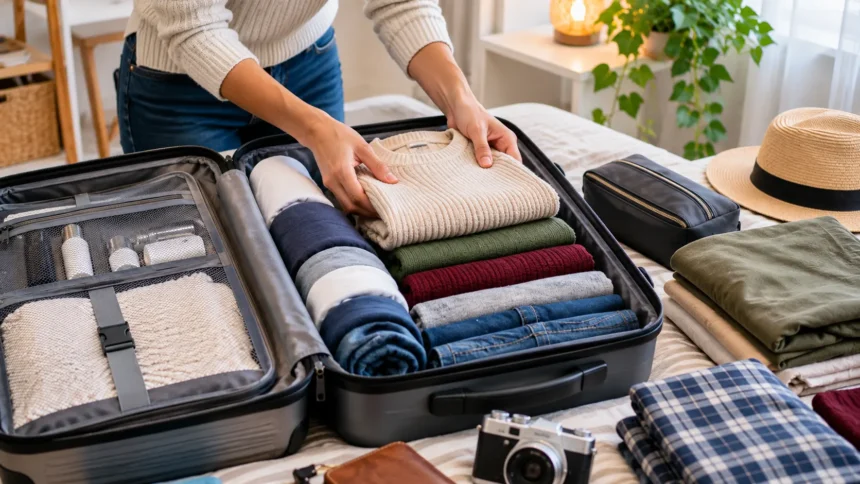
Rolling clothes is a popular packing technique because it can create compact bundles that fit into available suitcase spaces. It works particularly well for casual T-shirts, leggings, lightweight trousers, and certain knit fabrics. Rolling also makes individual garments easier to identify when they are arranged neatly in rows.
Start by spreading the garment flat and smoothing the fabric with your hands. Fold sleeves or side sections inward, then roll the material evenly from one end to the other. Keep the roll reasonably firm without stretching the fabric or creating excessive pressure that could leave deep creases.
Arrange rolled garments side by side in a suitcase compartment or packing cube. This method can help use narrow spaces and reduce unnecessary movement during travel. However, rolling does not guarantee wrinkle-free clothing, especially for linen, crisp cotton shirts, or tailored garments that may benefit from careful folding.
Folding vs. Rolling Clothes: Which Method Works Best?
Both folding and rolling are useful packing methods, but their effectiveness depends on fabric type and garment construction. Rolling can make casual clothing compact and easy to organize, while folding may better preserve the shape of structured pieces. Choosing between the two methods should involve more than simply maximizing available suitcase space.
Soft T-shirts, activewear, and lightweight knitwear often work well when rolled carefully. Button-down shirts, tailored trousers, and certain dresses may be easier to manage with flat folds or garment-specific techniques. Delicate fabrics can require extra protection regardless of whether they are folded or rolled.
A combined approach is often the most practical solution for everyday travel. Use rolling for suitable casual basics and folding for clothing that needs additional structure. This flexibility helps maintain a tidy suitcase without forcing every garment into a method that may not suit its material.
How to Pack Shirts Without Excessive Wrinkles
Shirts can develop visible creases when they are folded carelessly or placed beneath heavy items. Button-down shirts are particularly sensitive because collars, cuffs, and front panels benefit from maintaining their shape. Preparing these garments properly before packing can reduce the amount of ironing or steaming needed later.
Begin by fastening several buttons and placing the shirt face down on a smooth surface. Fold each sleeve inward, keeping the fabric flat, then bring the sides toward the center. Fold the shirt into a suitable rectangle, avoiding unnecessary pressure on the collar and other structured areas.
Place folded shirts near the top of your suitcase or in a separate packing compartment. A thin layer of tissue paper between folds may help reduce friction and pronounced creases in some fabrics. When you arrive, unpack shirts promptly and hang them on suitable hangers to help maintain their appearance.
How to Pack Jeans and Trousers Efficiently
Jeans and trousers are useful travel essentials, but they can occupy significant suitcase space. Denim is generally durable and can tolerate firm folding or rolling, while tailored trousers require more careful handling. Identifying the difference helps you pack efficiently without compromising the appearance of important outfits.
For jeans, align the legs and fold the garment lengthwise before rolling or folding it into compact sections. Keep pockets flat and avoid creating unnecessarily bulky bundles around the waistband. Place heavier denim items near the bottom of the suitcase so they do not compress lighter garments.
Tailored trousers benefit from folding along their existing creases when appropriate. Smooth the fabric carefully and position the folded trousers in a flatter section of your luggage. If you are traveling for a formal occasion, consider using a garment bag or unpacking trousers immediately after arrival.
How to Pack Dresses and Delicate Clothing
Dresses require different packing methods depending on their length, fabric, and construction. Casual cotton dresses may fold or roll comfortably, while formal dresses often need additional protection. Delicate materials such as silk, satin, chiffon, and lace can wrinkle, snag, or become damaged when packed carelessly.
Lay the dress flat and smooth the fabric before folding it along natural seams. For longer garments, bring the lower section upward carefully to fit the available suitcase space. Place tissue paper between sensitive layers when appropriate, and avoid pressing decorative elements directly against zippers or rough accessories.
For heavily embellished dresses or structured formalwear, a garment bag may provide better protection. Keep delicate pieces away from shoes, toiletries, and other items that could create pressure or accidental damage. After arriving, unpack the dress and follow its care instructions if light steaming or pressing is needed.
How to Pack Sweaters and Knitwear Without Stretching
Sweaters and knitted garments can become bulky when packed without a clear method. They may also stretch or develop unwanted marks when compressed tightly or placed under heavy objects. Folding knitwear carefully helps maintain its shape while making better use of available luggage space.
Lay the sweater face down and fold the sleeves inward across the back. Bring the sides toward the center, then fold the garment into a manageable rectangle. Avoid creating extremely tight bundles, especially with chunky knits or delicate yarns that may lose their natural structure.
Place sweaters in a section where they will not be heavily compressed by shoes or other dense items. A packing cube can help keep folded knitwear together and prevent unnecessary shifting. When unpacking, store sweaters folded rather than hanging them if the weight of the fabric could stretch the shoulders.
How to Use Packing Cubes for Better Organization
Packing cubes are lightweight organizers that divide suitcase contents into manageable sections. They can help separate clothing categories, keep folded garments together, and make individual items easier to find. Although they do not automatically increase suitcase capacity, they can improve organization and reduce the need to unpack everything.
Consider using one cube for shirts, another for trousers, and a smaller one for underwear or accessories. Alternatively, organize cubes according to outfits or travel days if that method suits your plans. Clear labeling or consistent colors can make it easier to identify the contents without repeatedly opening every compartment.
Avoid overfilling packing cubes because excessive compression may create deep creases or make closures difficult to secure. Compression cubes can reduce the volume of some soft garments, but they do not reduce luggage weight. Choose organizers that fit your suitcase dimensions and allow clothing to remain reasonably comfortable within the available space.
How to Pack Shoes Without Making Clothes Dirty
Shoes can take up considerable luggage space and may transfer dirt to clean garments when packed incorrectly. Their rigid construction can also press against delicate clothing if they are placed carelessly. Preparing footwear separately helps protect both the shoes and the surrounding contents of your suitcase.
Clean the soles before packing and place each pair inside suitable shoe bags or clean reusable covers. Arrange footwear near the lower edges or corners of the suitcase, depending on its construction. Position heavier shoes where they can remain stable without pressing directly against fragile accessories or easily wrinkled clothing.
You can use some empty space inside shoes to store clean socks or other small, soft items. However, avoid forcing objects into footwear because this may distort its shape. When possible, wear your bulkiest comfortable shoes during travel and pack lighter alternatives to reduce the amount of luggage space needed.
Organize Accessories, Underwear, and Small Clothing Items
Small wardrobe essentials are easy to lose inside a suitcase when they are packed loosely. Socks, underwear, belts, scarves, and other accessories can become mixed with larger garments and create unnecessary clutter. Keeping these items organized makes dressing easier and allows you to use available luggage spaces more effectively.
Use a small packing cube or separate pouch for underwear and socks. Fold or roll each item according to its material, then arrange similar pieces together. Store delicate accessories separately from sharp jewelry components, zippers, and other objects that could snag lightweight fabric.
Belts can be gently coiled or placed along the inside edges of suitable luggage compartments. Scarves may be folded loosely and used to cushion delicate items when appropriate. Keeping accessories grouped by purpose also makes it easier to find the finishing pieces needed for different travel outfits.
How to Pack Clothes for a Weekend Trip
Weekend travel usually requires a smaller selection of clothing than longer vacations. Focus on versatile garments that suit the planned activities and expected weather conditions. A few coordinated basics can create several outfits without requiring a large suitcase or multiple changes of footwear.
For example, pack one pair of versatile trousers, two comfortable tops, and a lightweight outer layer when suitable for your plans. Add underwear, socks, sleepwear, and any activity-specific clothing you genuinely need. Consider wearing your bulkiest items during transportation to keep your travel bag manageable.
Arrange outfits in the order you expect to wear them, or use a compact packing cube for each clothing category. Keep essential items accessible rather than burying them beneath unnecessary extras. A simple weekend packing routine can help you travel comfortably while avoiding an overfilled bag.
How to Pack Clothes for a Long Vacation
Longer trips require additional planning because clothing must support multiple activities and potentially changing weather conditions. Rather than packing a completely different outfit for every day, create combinations using versatile wardrobe pieces. This approach works particularly well when laundry facilities will be available during your journey.
Choose comfortable basics that coordinate with several tops, bottoms, and layers. Consider including a small selection of weather-appropriate outerwear and clothing for any specific events on your itinerary. A practical wardrobe plan can reduce luggage volume while still providing enough flexibility for different occasions.
Separate everyday clothing from items needed later in the trip to maintain better organization. Packing cubes, laundry pouches, and clearly grouped accessories can make this process easier. If you expect to wash clothes during your vacation, bring suitable laundry supplies and follow garment care labels to avoid damaging fabrics.
How to Keep Clothes Wrinkle-Free While Traveling
Preventing wrinkles begins before clothing enters your suitcase. Smooth each garment carefully, avoid unnecessary folds, and choose packing methods suitable for the fabric. Overfilling luggage can create excessive pressure, while loosely arranged items may shift and develop unwanted creases during transportation.
Place wrinkle-prone clothing in flatter sections of your suitcase and keep heavy objects away from delicate materials. Consider using tissue paper, garment folders, or protective bags for suitable items. Fabrics such as certain knits may resist creasing better than crisp linen or cotton, but results depend on construction and packing conditions.
Unpack clothing as soon as practical after reaching your destination. Hang shirts, dresses, and tailored pieces when appropriate, allowing minor creases to relax naturally. If wrinkles remain, follow the care label before using a travel steamer or iron, and avoid applying direct heat to materials that require special treatment.
Common Clothes Packing Mistakes You Should Avoid
One common packing mistake is bringing too many garments without considering how they work together. Overpacking makes luggage heavier, limits organization, and increases pressure on clothing. Creating an outfit plan before packing can help eliminate unnecessary items and prevent last-minute decisions that overcrowd your suitcase.
Another mistake is using the same folding method for every type of fabric. Delicate dresses, structured jackets, casual T-shirts, and thick sweaters have different packing requirements. Adjusting your technique according to fabric weight and construction helps protect garments and reduces avoidable creases during travel.
Failing to separate shoes, toiletries, and worn clothing can also create unnecessary problems. Dirty soles may transfer marks, while leaking liquids can damage garments and accessories. Use secure containers and separate compartments, and inspect your luggage before departure to make sure clothing remains protected.
Smart Style Tips for Creating Travel Outfits
A well-planned travel wardrobe should offer enough variety without requiring excessive luggage space. Choose a small collection of coordinated colors so several tops, bottoms, and layers can be mixed together. This approach makes outfit planning easier and helps you create different looks using fewer clothing items.
For casual sightseeing, combine comfortable trousers or jeans with breathable tops and suitable walking shoes. A lightweight jacket or cardigan can provide an additional layer when temperatures change. For more polished occasions, switch to a structured shirt, simple accessories, or tailored clothing that complements the basics already packed.
Consider how each garment will perform throughout the day rather than choosing outfits based only on appearance. Comfortable fabrics, practical footwear, and weather-appropriate layers can make travel more enjoyable. The most useful travel outfits balance personal style, ease of movement, and clothing that remains manageable inside your suitcase.
How to Unpack and Organize Clothes at Your Destination
Unpacking thoughtfully helps preserve the organization you created before traveling. Begin by removing garments that are most likely to wrinkle, such as shirts, dresses, and tailored trousers. Hang or fold them according to their fabric requirements instead of leaving everything compressed inside your suitcase.
Keep frequently used clothing accessible and store smaller accessories in a designated location. Packing cubes can serve as temporary drawer organizers when suitable storage space is available. Separating clean garments from worn clothing also helps prevent odors and keeps outfits easier to manage during the remainder of your trip.
Before returning home, reorganize your suitcase and check that damp or dirty items are separated appropriately. Avoid packing wet clothing in sealed bags for extended periods because moisture can encourage unpleasant odors and fabric problems. Maintaining simple organization habits makes both unpacking and preparing for the return journey easier.
Conclusion
Learning how to pack clothes neatly helps you travel with a more organized suitcase while protecting your favorite garments from unnecessary wrinkles and damage. Techniques such as careful folding, suitable rolling, and using packing cubes make clothing easier to arrange and locate. Choosing the right method for each fabric is more effective than relying on one packing technique for every item.
Planning outfits before departure can also reduce overpacking and simplify daily styling during your trip. Versatile clothing, coordinated colors, and practical accessories allow you to create several comfortable looks with fewer pieces. Keeping shoes, toiletries, and delicate garments in appropriate compartments further supports a tidy and manageable travel bag.
The best packing routine is simple, flexible, and suited to your travel needs. Start by organizing essential garments, protect wrinkle-prone pieces, and leave enough space to avoid unnecessary compression. With consistent preparation and thoughtful clothing care, you can arrive at your destination with a wardrobe that is organized, practical, and ready to wear.
Frequently Asked Questions
What is the best way to pack clothes neatly in a suitcase?
Plan your outfits, fold structured garments carefully, and roll suitable casual clothing. Organize smaller items in packing cubes, keep shoes separate, and avoid overfilling the suitcase to reduce unnecessary wrinkles and clutter.
Is it better to roll or fold clothes when packing?
Rolling works well for many casual garments and can create compact bundles. Folding is often better for tailored or structured clothing, so combining both methods according to fabric type provides practical results.
How do I pack clothes without getting wrinkles?
Smooth garments before folding, avoid excessive compression, and place delicate clothing away from heavy items. Unpack promptly upon arrival and use appropriate garment care methods to address any remaining creases.
How can I save space when packing clothes?
Choose versatile outfits, avoid unnecessary duplicates, and use rolling or packing cubes where appropriate. Wear bulky items during travel when comfortable, and fill small spaces with suitable lightweight accessories.
How should I pack delicate dresses and formal clothes?
Fold delicate garments carefully with protective tissue paper when appropriate, or use a suitable garment bag. Keep them away from shoes and heavy objects, and unpack them promptly to preserve their appearance.