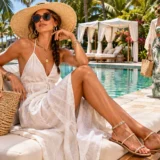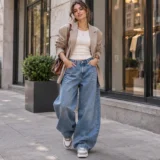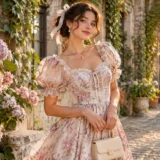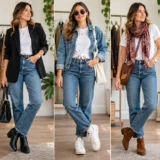

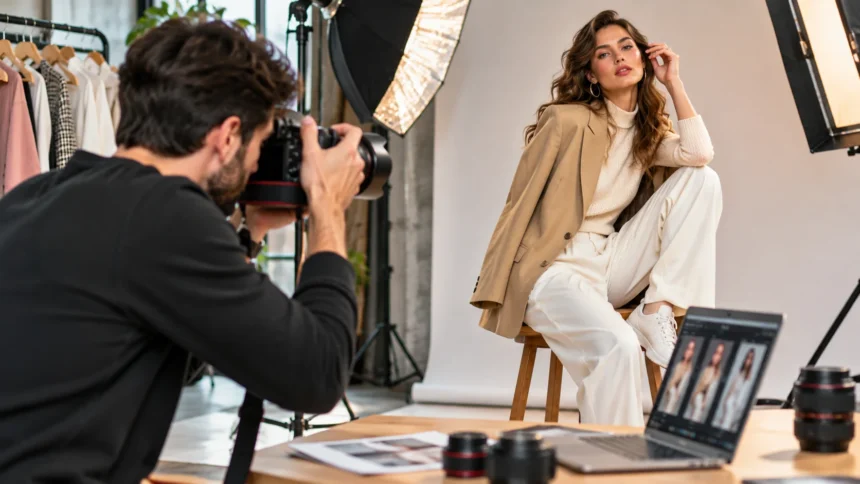
Fashion photography is a creative career that combines artistic vision, technical skills, and an understanding of clothing and style. Fashion photographers capture images that showcase outfits, accessories, models, and designer collections for magazines, brands, advertisements, and online platforms. Their work helps communicate fashion trends, inspire audiences, and create memorable visual stories.
Starting a fashion photographer career may seem challenging, especially when you have limited experience or expensive equipment is beyond your budget. However, beginners can develop important skills through practice, creative projects, and collaboration. This practical guide explains the responsibilities, qualifications, essential equipment, portfolio development, income opportunities, and simple steps to become a successful fashion photographer.
What Is a Fashion Photographer?
A fashion photographer is a creative professional who produces photographs that highlight clothing, accessories, beauty, and personal style. These images appear in fashion magazines, advertising campaigns, online stores, social media, and designer portfolios. The photographer combines lighting, composition, styling, and visual storytelling to present fashion products or creative concepts in attractive and meaningful ways.
Fashion photographers frequently collaborate with models, stylists, makeup artists, creative directors, and fashion designers. Their responsibilities extend beyond taking pictures because they also help develop the visual direction of a photoshoot. Understanding the intended audience, brand identity, and editorial concept allows them to create images that communicate a clear message.
The profession offers opportunities in editorial photography, commercial campaigns, runway coverage, and digital fashion content. Some photographers work independently, while others collaborate with agencies, magazines, or established fashion companies. Each environment requires creativity, technical knowledge, communication skills, and the ability to produce consistent results under different conditions.
What Does a Fashion Photographer Do?
Fashion photographers plan and capture images that communicate the appearance, mood, and purpose of clothing collections. Their daily responsibilities may include preparing photography equipment, reviewing creative briefs, selecting suitable locations, and discussing visual ideas with clients. They also direct poses, adjust lighting, and choose camera settings that support the intended style.
During a fashion photoshoot, photographers coordinate with models and creative teams to achieve specific visual results. They may guide body positioning, facial expressions, and movement while ensuring that clothing remains the central focus. Attention to fabric texture, garment details, and background composition helps create photographs that meet editorial or commercial requirements.
After the photoshoot, photographers review captured images and select the strongest photographs for editing. Post-production work may include adjusting exposure, correcting colors, cropping images, and preparing files for publication. Professional photographers must also organize projects, communicate with clients, manage deadlines, and maintain equipment to support reliable creative work.
How to Become a Fashion Photographer
Becoming a fashion photographer begins with learning basic photography techniques and developing an interest in fashion styling. Beginners should understand camera exposure, composition, lighting, and image editing before attempting complicated professional projects. Practicing with everyday subjects can build confidence and reveal how different technical choices affect the appearance of photographs.
Formal photography education can provide useful training, but a degree is not always necessary to enter the profession. Many successful photographers develop their skills through independent learning, workshops, online courses, and practical experience. Employers and clients often evaluate a photographer’s portfolio, creative judgment, reliability, and ability to deliver suitable images.
Building experience through small projects is an effective way to begin. You might photograph outfits for local designers, collaborate with aspiring models, or create fashion editorials using available clothing. These projects provide opportunities to improve technical abilities, understand teamwork, and develop photographs that demonstrate your preferred creative direction.
Essential Skills for Fashion Photography
Technical photography skills provide the foundation for producing professional fashion images. Photographers should understand aperture, shutter speed, ISO, focus, and white balance. Learning how these settings interact makes it easier to capture sharp photographs, control exposure, and maintain consistent image quality across different lighting environments.
Creative skills are equally important because fashion photography depends on visual storytelling and aesthetic judgment. Understanding color relationships, composition, posing, and garment presentation helps photographers develop appealing images. Studying fashion trends and different editorial styles can also improve the ability to create photographs that feel appropriate for specific audiences and brands.
Communication and organization play major roles in professional photography work. Photographers must explain creative ideas, guide models respectfully, coordinate schedules, and respond constructively to client feedback. Strong time management, problem-solving skills, and attention to detail help projects run smoothly and support positive working relationships with creative collaborators.
Do You Need a Degree in Fashion Photography?
A photography degree can help students develop technical knowledge, visual communication skills, and an understanding of professional creative practices. Relevant programs may cover lighting, digital imaging, visual storytelling, art history, and commercial photography. These subjects provide structured opportunities to experiment with different techniques while receiving feedback from experienced instructors.
However, a formal degree is not always required to become a fashion photographer. Many clients prioritize portfolio quality, practical experience, and the ability to produce images that match a specific creative brief. Self-taught photographers can develop professional skills through consistent practice, independent projects, and carefully selected educational resources.
Workshops, mentorship programs, and photography communities can provide additional opportunities for learning. Beginners may benefit from assisting experienced photographers or joining collaborative creative projects. These experiences can reveal practical details about equipment preparation, studio lighting, client communication, and the production processes involved in professional fashion photography.
Best Camera Equipment for Beginner Fashion Photographers
Beginning a fashion photographer career does not require purchasing the most expensive camera available. A reliable digital camera with manual exposure controls can provide enough flexibility for learning essential techniques. Many entry-level mirrorless and DSLR cameras produce excellent results when paired with suitable lighting, thoughtful composition, and consistent practice.
A versatile lens is particularly useful for experimenting with different fashion photography styles. A standard zoom lens offers flexibility, while a portrait lens can help create attractive subject separation and controlled backgrounds. Instead of purchasing several lenses immediately, beginners should understand how focal length affects perspective, framing, and the presentation of clothing.
Additional equipment may include a sturdy tripod, memory cards, spare batteries, and basic lighting accessories. A simple reflector can help redirect available light during outdoor photography sessions. As experience develops, photographers can invest in specialized equipment based on actual project requirements rather than buying expensive accessories before understanding their practical value.
Understanding Lighting in Fashion Photography
Lighting is one of the most important elements of fashion photography because it influences color, texture, mood, and overall image quality. Natural light provides an accessible starting point for beginners who want to experiment without expensive equipment. Soft daylight can create flattering illumination and help reveal clothing details without producing overly harsh shadows.
Window lighting is useful for indoor fashion portraits, especially when the subject stands near a large window. Photographers can adjust the model’s position to observe how light changes facial features, garment textures, and background appearance. Using a reflector or light-colored surface may help soften shadows when additional illumination is needed.
Studio lighting provides greater control over brightness, direction, and consistency. Softboxes, continuous lights, and flash equipment are commonly used in professional fashion photography. Beginners should first practice with one light source before introducing more complicated setups, allowing them to understand how placement and distance influence the final photograph.
Different Types of Fashion Photography
Editorial fashion photography focuses on storytelling, creativity, and the communication of fashion concepts. These photographs often appear in magazines, online publications, and artistic fashion features. Editorial photographers may experiment with unusual locations, dramatic lighting, expressive poses, and distinctive styling to create images that support a particular visual narrative.
Commercial fashion photography focuses more directly on presenting clothing or accessories for advertising and retail purposes. Brands often require clear photographs that highlight product design, fabric details, and overall appearance. E-commerce fashion photography is a related specialty that emphasizes consistent lighting, accurate colors, and practical views that help customers understand products.
Runway photography captures fashion collections during live shows, while street-style photography documents clothing worn in public settings. Beauty photography may concentrate on makeup, hairstyles, and accessories within broader fashion campaigns. Exploring these different specialties helps beginners discover which photography environments match their interests, abilities, and preferred creative approaches.
How to Build a Fashion Photography Portfolio
A professional fashion photography portfolio showcases your technical abilities, creative style, and experience with different visual concepts. It should contain carefully selected photographs rather than every image you have captured. Strong portfolios demonstrate consistent quality, clear composition, appropriate lighting, and an understanding of how clothing should appear in editorial or commercial settings.
Beginners can build portfolios through personal projects and collaborations with emerging creative professionals. Working with student designers, aspiring models, and makeup artists creates opportunities to develop complete fashion concepts. These projects can demonstrate teamwork and originality while allowing participants to produce photographs suitable for their individual professional portfolios.
An online portfolio makes it easier for potential clients to review your work and understand your photography style. Organize photographs into relevant categories, such as editorial, commercial, or beauty photography. Updating the collection regularly with stronger projects helps demonstrate professional growth and keeps your presentation aligned with the type of assignments you want.
How to Plan Your First Fashion Photoshoot
Planning a successful fashion photoshoot begins with establishing a clear creative concept. Decide what clothing, mood, location, and visual style you want the photographs to communicate. A simple mood board containing appropriate visual references can help organize ideas and provide creative direction for everyone participating in the project.
Next, choose a suitable location and arrange the necessary clothing, models, and equipment. Beginners can start with accessible environments such as a quiet outdoor space or a room with good natural lighting. Confirm schedules, discuss expectations, and make sure participants understand how the photographs will be used before the session begins.
During the photoshoot, focus on achieving a few strong images rather than capturing hundreds of similar photographs. Pay attention to lighting, background distractions, garment placement, and the model’s comfort. Review photographs occasionally to identify technical issues while maintaining a relaxed and respectful working atmosphere throughout the creative process.
Fashion Photography Posing Tips for Beginners
Posing plays an important role in fashion photography because body positioning influences how clothing appears in photographs. Different poses can emphasize garment structure, movement, and overall styling. Photographers should understand how posture, camera angle, and framing work together to present clothing naturally and support the intended editorial concept.
Begin with simple standing, walking, or seated poses before introducing more complicated movements. Encourage models to make small adjustments rather than changing several positions simultaneously. Clear instructions and helpful visual demonstrations can make communication easier, especially when working with someone who has limited modeling experience.
Comfort and collaboration should remain central to every photoshoot. Discuss posing expectations beforehand and respect the model’s boundaries throughout the session. A supportive environment allows participants to contribute creative ideas and helps produce natural expressions, confident movement, and photographs that reflect the intended fashion story.
How to Edit Fashion Photographs Professionally
Photo editing helps photographers refine images and create a consistent visual presentation. Common adjustments include correcting exposure, balancing colors, improving contrast, and removing distracting elements. Editing software can also help organize large image collections and prepare finished photographs for websites, print publications, or commercial campaigns.
Color accuracy is especially important when photographing clothing for retail or advertising purposes. Excessive color adjustments may cause garments to appear different from their actual appearance, potentially misleading customers. Professional editing should preserve important fabric details and maintain a realistic presentation unless a clearly artistic approach is appropriate.
Beginners should develop a consistent editing workflow rather than applying heavy effects to every photograph. Start with basic exposure and white balance corrections before making more detailed changes. Comparing edited images with the original files can help identify improvements while preventing unnecessary alterations that reduce overall image quality.
How to Find Your First Fashion Photography Clients
Finding early photography clients often begins with building relationships within local creative communities. Emerging fashion designers, clothing boutiques, stylists, and small businesses may need photographs for websites or promotional materials. Presenting a relevant portfolio and communicating professionally can help photographers demonstrate how their services meet specific creative needs.
Social media and professional networking platforms can also help photographers share completed projects and connect with potential collaborators. Posting a consistent selection of strong photographs provides examples of technical ability and visual style. However, meaningful professional relationships and reliable project delivery are generally more valuable than focusing entirely on follower counts.
Beginners may also gain experience by assisting established photographers or contributing to independently organized fashion editorials. Clearly written project agreements help establish expectations regarding deliverables, payment, deadlines, and image usage rights. Maintaining professional communication and meeting commitments can encourage referrals and support long-term client relationships.
Fashion Photographer Salary and Earning Opportunities
Fashion photographer earnings vary according to location, experience, specialization, and employment arrangements. Freelance photographers may charge per project, shooting day, or licensing agreement, while employed photographers may receive regular salaries. Commercial advertising assignments can involve different budgets and responsibilities from small editorial projects or local clothing photography.
Several factors influence photography pricing, including preparation time, equipment requirements, production expenses, editing work, and usage rights. A project involving multiple models, locations, or creative professionals may require a larger budget than a simple product shoot. Understanding these costs helps photographers develop realistic quotations and avoid underestimating the work involved.
Fashion photographers can also explore income opportunities through e-commerce photography, brand campaigns, editorial assignments, and image licensing. However, freelance income may be inconsistent, particularly during the early stages of a career. Developing financial planning habits, maintaining clear contracts, and building a diverse client base can support greater professional stability.
Common Challenges in Fashion Photography
Fashion photography can be competitive because many creative professionals are interested in working with established brands and publications. Beginners may struggle to find paid assignments while developing their portfolios and professional networks. Consistent practice, realistic expectations, and a willingness to learn from constructive feedback can help photographers strengthen their abilities over time.
Technical challenges can also arise during photoshoots, particularly when lighting conditions or locations change unexpectedly. Equipment problems, unpredictable weather, and scheduling difficulties may affect planned creative work. Preparing backup equipment where possible, checking locations in advance, and maintaining flexible production plans can reduce unnecessary disruptions.
Another challenge involves balancing personal creativity with client requirements. A photographer may prefer an artistic approach while a commercial client needs clear, consistent product images. Understanding project objectives and communicating expectations early helps prevent misunderstandings while allowing photographers to contribute appropriate creative ideas within professional boundaries.
Tips for Growing a Successful Fashion Photography Career
Developing a recognizable photography style can help distinguish your work in a competitive creative field. Study different visual approaches, experiment with lighting techniques, and explore the types of fashion stories that interest you most. Over time, repeated practice can reveal creative strengths and help establish a consistent professional direction.
Continuous learning is important because fashion photography evolves alongside technology, design trends, and changing media platforms. Improving editing skills, understanding digital publishing requirements, and exploring new photography techniques can expand professional opportunities. Learning about client communication, budgeting, and copyright is also valuable for managing photography work responsibly.
Building positive relationships with creative teams can contribute significantly to long-term career development. Treat collaborators respectfully, deliver projects on schedule, and maintain clear communication throughout each assignment. Professional reliability, strong technical skills, and thoughtful creativity can help photographers earn trust and develop opportunities across different areas of the fashion industry.
Conclusion
A fashion photographer career offers opportunities to combine artistic expression, technical knowledge, and an interest in clothing and visual storytelling. Fashion photographers create images for magazines, advertising campaigns, online retailers, and designer collections. Their responsibilities involve planning photoshoots, working with creative teams, capturing photographs, and preparing finished images for publication.
Beginners can start by learning photography fundamentals, practicing with accessible equipment, and building a carefully selected portfolio. Collaborating with emerging designers, models, and stylists provides valuable experience without requiring immediate access to major fashion brands. Developing technical skills, professional communication, and a consistent creative approach can strengthen career opportunities.
Success in fashion photography usually requires patience, ongoing learning, and reliable professional relationships. Rather than focusing only on expensive equipment or high-profile assignments, beginners should prioritize creative development and practical experience. With thoughtful planning and consistent effort, fashion photography can become a rewarding career with opportunities across editorial, commercial, and digital media.
Frequently Asked Questions
How do I become a fashion photographer with no experience?
Start by learning basic photography techniques and practicing with available equipment. Create simple fashion photoshoots, collaborate with aspiring creatives, and build an online portfolio that demonstrates your technical abilities and visual storytelling skills.
Do fashion photographers need a degree?
No, a degree is not always required to become a fashion photographer. Clients often value strong portfolios, practical experience, creative judgment, and professional reliability, although formal photography education can provide useful technical training.
What equipment do beginner fashion photographers need?
Beginners can start with a reliable digital camera, a versatile lens, memory cards, and basic lighting accessories. Comfortable access to suitable editing software is also helpful for organizing and refining completed photographs.
How much money do fashion photographers make?
Earnings vary widely depending on experience, location, client budgets, and project requirements. Freelance photographers may charge per assignment, while employed photographers receive salaries determined by their roles and organizations.
Is fashion photography a good career for beginners?
Fashion photography can be a rewarding career for creative individuals interested in photography and style. However, building experience, developing a distinctive portfolio, and establishing professional relationships are important steps toward finding consistent opportunities.