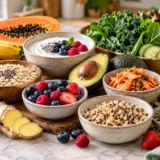


Choosing the best foods to eat before a workout can help support energy levels, exercise performance, and overall physical well-being. Whether you enjoy running, strength training, cycling, yoga, or other physical activities, your body benefits from appropriate nutrition before exercise. Eating a balanced combination of carbohydrates, protein, and healthy fats can help you feel prepared for movement.
Pre-workout nutrition is not about following a strict diet or eating a specific amount of food. Instead, it focuses on giving your body the nutrients it needs based on your activity, appetite, and daily routine. Foods such as bananas, oatmeal, yogurt, whole-grain toast, and fruit can provide convenient options before different types of exercise.
The timing of your meal also matters because exercising immediately after a large meal may cause digestive discomfort. Some people prefer a light snack shortly before activity, while others feel comfortable eating a regular meal earlier. This guide explores nutritious pre-workout foods, meal timing, hydration, and practical eating habits that support an active lifestyle.
Why Eating Before a Workout Matters
Eating before physical activity helps provide energy for working muscles and supports comfortable exercise. Carbohydrates are particularly useful because the body converts them into glucose, which can be used during movement. Depending on the activity and your normal eating schedule, a pre-workout meal or snack may help you feel more energetic.
Protein also contributes to overall muscle maintenance, growth, and recovery when consumed regularly as part of a balanced diet. Including a protein source in a meal before exercise can be convenient, although it is not necessary to consume protein immediately before every workout. Your overall daily nutrition remains important.
Skipping food before exercise does not affect everyone in the same way. Some individuals feel comfortable moving after a regular meal, while others become hungry or tired when they have not eaten for several hours. Paying attention to your body’s signals helps you develop an eating routine that supports enjoyable physical activity.
Bananas: A Convenient Pre-Workout Snack
Bananas are among the most convenient foods to eat before a workout because they are portable, affordable, and easy to prepare. They naturally contain carbohydrates that provide energy for everyday activities and exercise. Their soft texture also makes them comfortable to eat for many people who prefer lighter snacks.
Bananas contain potassium, an essential mineral involved in normal muscle and nerve function. They also provide vitamin B6 and dietary fiber. However, eating a banana does not guarantee protection against exercise-related muscle cramps, which can have several contributing causes.
You can enjoy a banana on its own or pair it with yogurt, toast, or another familiar food. The best combination depends on your appetite and how soon you plan to exercise. Bananas are particularly practical before walking, cycling, recreational sports, and other activities that fit into a busy schedule.
Oatmeal: A Nutritious Source of Carbohydrates
Oatmeal is an excellent breakfast option for people who prefer eating a complete meal before exercise. Made from oats, it provides complex carbohydrates, fiber, and several essential nutrients. Its versatility allows you to prepare a satisfying meal using ingredients you already enjoy.
You can make oatmeal with milk or a suitable fortified alternative and add fruit, nuts, or seeds. Berries and bananas contribute natural sweetness, while milk or yogurt can add protein. These combinations provide a range of nutrients that support general health alongside physical activity.
Because oatmeal contains fiber, some people prefer eating it well before exercise rather than immediately beforehand. A larger bowl may feel uncomfortable if you begin vigorous movement too soon. Adjusting the timing and ingredients according to digestive comfort makes oatmeal a practical part of a pre-workout routine.
Greek Yogurt: Protein and Carbohydrates Together
Greek yogurt is a versatile pre-workout food that provides protein and important nutrients such as calcium. Plain varieties generally contain less added sugar than many flavored products. The protein contributes to normal muscle maintenance, while additional carbohydrates can come from fruit or grains served alongside it.
A bowl of Greek yogurt with berries, banana slices, or oats creates a balanced snack for an active day. The combination is easy to customize according to your preferences. Yogurt also works well at breakfast or during an afternoon break before recreational exercise.
Some individuals experience digestive discomfort from dairy products, particularly if they are lactose intolerant. Lactose-free yogurt or suitable fortified alternatives may be more comfortable options. Choosing foods that agree with your digestive system is more useful than forcing yourself to eat a particular product before training.
Whole-Grain Toast: Simple and Versatile Energy
Whole-grain toast is a practical choice before exercise because bread provides carbohydrates that help fuel physical activity. Whole-grain varieties also contain fiber and other nutrients that contribute to a balanced eating pattern. Toast requires minimal preparation, making it convenient for early morning or afternoon activities.
You can pair toast with eggs, nut butter, or another protein-containing food for a more substantial meal. Fruit or a small serving of yogurt can also complement it. These combinations offer different flavors and textures while providing nourishment for exercise and everyday responsibilities.
Whole-grain bread can contain more fiber than refined varieties, which may affect digestive comfort immediately before vigorous exercise. Some people prefer a simpler, lower-fiber snack when physical activity is about to begin. Choosing according to your appetite and the time available before movement is a sensible approach.
Eggs: A Protein-Rich Breakfast Option
Eggs provide high-quality protein along with nutrients such as choline, vitamin B12, and selenium. They are commonly included in breakfast meals and can be prepared in several ways. Their protein content makes them a useful component of a balanced diet for people who participate in physical activities.
Scrambled eggs with toast, a vegetable omelet, or boiled eggs alongside fruit can create a satisfying meal before exercise. Including carbohydrates with eggs is helpful because eggs themselves contain very little carbohydrate. A complete breakfast can support both normal daily activities and recreational workouts.
Egg-based meals may take longer to digest than a small carbohydrate-rich snack, particularly when prepared with substantial added fat. Allowing a comfortable interval before exercise can help reduce digestive discomfort. Eggs should also be cooked and stored safely to minimize foodborne illness risks.
Apples and Other Fresh Fruits
Fresh fruit is a convenient option for people who want something refreshing before a workout. Apples, oranges, grapes, and berries provide carbohydrates, water, vitamins, and other beneficial nutrients. Different fruits offer varying amounts of fiber and natural sugars, allowing you to select options that suit your preferences.
An apple paired with peanut butter or yogurt can create a more substantial snack. Oranges provide vitamin C and fluid, while grapes are easy to pack for school, work, or recreational activities. Choosing a variety of fruits also supports a balanced eating pattern beyond exercise.
Although fruit is generally nutritious, high-fiber choices may cause digestive discomfort for some people immediately before intense movement. Eating fruit earlier or choosing something gentler on your stomach can help. The most suitable snack is one that leaves you feeling comfortable and ready for physical activity.
Peanut Butter and Other Nut Butters
Peanut butter provides unsaturated fats, protein, and several essential nutrients. It can be a convenient addition to a pre-workout meal when combined with carbohydrate-containing foods. Other nut and seed butters offer similar possibilities, although their nutrient profiles vary depending on the ingredients.
Spread peanut butter on toast, add it to oatmeal, or enjoy it with banana slices. These combinations offer a mixture of carbohydrates, fats, and protein. They can be particularly convenient when you have enough time to digest a regular snack before exercise.
Because fat takes longer to digest, large servings of nut butter may feel heavy immediately before vigorous activity. Consider your digestive comfort and usual eating habits when choosing the timing. People with peanut or tree nut allergies should avoid the relevant products and select safe alternatives.
Sweet Potatoes: A Nourishing Meal Ingredient
Sweet potatoes are nutritious vegetables that provide carbohydrates, fiber, potassium, and beta-carotene. They work well as part of a regular meal before exercise, particularly when you have time to digest. Their naturally sweet flavor makes them suitable for several simple preparations.
Roasted or baked sweet potatoes can be served with beans, eggs, chicken, or another protein source. Adding vegetables creates a colorful, balanced plate. Such meals provide nourishment for normal daily needs while supporting an active lifestyle without relying on specialized sports foods.
Sweet potatoes contain fiber, so a substantial meal may be more comfortable when eaten earlier rather than directly before vigorous activity. Cooking methods and accompanying ingredients can also influence digestion. Choosing familiar preparations and allowing adequate time before movement can help prevent unnecessary stomach discomfort.
Rice: A Familiar Carbohydrate Source
Rice is a widely available food that provides carbohydrates used by the body for energy. It is a common component of balanced meals across many cultures. Both white and brown rice can fit into a healthy eating pattern, with different fiber contents and digestive characteristics.
You can combine rice with vegetables, beans, fish, eggs, or lean poultry to create a complete meal. Brown rice provides more fiber, while white rice may feel easier to digest for some people before strenuous exercise. Neither option is automatically the best choice for every activity.
A regular rice-based meal can work well when there is sufficient time before exercise. Immediately beforehand, some people may prefer a lighter snack instead. Food tolerance varies, so the goal is to find a comfortable meal that provides nourishment without causing digestive discomfort.
Smoothies: An Easy Pre-Workout Option
Smoothies offer a convenient way to combine fruit, dairy or fortified alternatives, and other nutritious ingredients. They can be particularly appealing when you do not feel like eating a traditional meal before physical activity. Their ingredients determine the amount of carbohydrates, protein, fiber, and fat they provide.
A simple smoothie can include banana, berries, yogurt, and milk. Oats or nut butter may be added when you want a more substantial option. Homemade smoothies allow you to select familiar ingredients without depending on expensive supplements or heavily marketed pre-workout products.
Smoothies can still feel heavy if they contain many ingredients or are consumed too quickly. Some high-fiber mixtures may also cause digestive discomfort during vigorous movement. Adjusting the ingredients and timing based on personal tolerance helps make smoothies an enjoyable part of your routine.
Whole-Grain Cereal With Milk
Whole-grain cereal with milk is another convenient pre-workout breakfast option. Cereals can provide carbohydrates, while milk adds protein and calcium. Choosing a cereal with useful whole-grain content and a flavor you enjoy makes this an easy meal to prepare on busy mornings.
Fresh fruit can add variety and additional nutrients to a bowl of cereal. Bananas, berries, and sliced apples are common choices. Fortified cereals may also provide nutrients such as iron and certain B vitamins, although their nutritional composition varies between products.
Cereal is particularly useful when you have limited time for cooking but still want a satisfying meal. Depending on the cereal and your digestive preferences, it may be comfortable before moderate activity. Consider lactose-free or fortified non-dairy options when regular milk is unsuitable.
Homemade Energy Snacks for Active Days
Homemade snacks can provide convenient nourishment when you have school, work, or activities throughout the day. Options such as oat-based bites, fruit with yogurt, or a simple homemade muffin can be prepared in advance. Using familiar ingredients makes it easier to choose foods you enjoy.
Oats, dried fruit, seeds, and nut butters are common ingredients in homemade snack recipes. Different combinations provide carbohydrates, protein, fats, and fiber. Preparing snacks at home also allows you to consider food allergies, ingredient preferences, and storage needs.
There is no requirement to eat a specialized energy bar before an ordinary workout. Regular foods can support most recreational activities when combined with adequate meals throughout the day. Convenience, digestive comfort, and personal preference are important considerations when choosing a pre-workout snack.
What to Eat Before a Morning Workout
Morning exercise can feel different depending on how much time has passed since your last meal. Some people wake up hungry, while others prefer to eat after becoming fully awake. A familiar breakfast or light snack can provide nourishment before movement, particularly when the activity is demanding.
Bananas, toast, yogurt, cereal, and oatmeal are practical breakfast options. The choice depends on the type of exercise, how soon it begins, and your appetite. If a full breakfast feels uncomfortable immediately before activity, a smaller snack followed by another meal afterward may be more suitable.
Regular meals remain important even when morning schedules are busy. Exercising without adequate nourishment can leave some people feeling weak, dizzy, or uncomfortable. If these symptoms occur, stop exercising and address them rather than pushing through.
What to Eat Before an Evening Workout
Evening workouts often take place after several meals and activities throughout the day. Your energy and appetite may depend on when you last ate. A balanced lunch and a suitable afternoon snack can help support comfortable exercise without requiring an elaborate pre-workout routine.
Options include fruit with yogurt, a sandwich, whole-grain toast, or a small meal containing rice and vegetables. The best choice depends on whether your workout begins soon or several hours later. Eating familiar foods can help reduce unexpected digestive discomfort.
After evening exercise, enjoy a normal meal or snack according to your hunger and daily routine. Carbohydrates, protein, vegetables, and adequate fluids can contribute to overall nourishment. Maintaining a consistent eating schedule is generally more valuable than following strict rules about exercise-related meal timing.
How Long Before a Workout Should You Eat?
Meal timing can influence how comfortable you feel during physical activity. Larger meals typically require more time to digest than small snacks. Many people find it comfortable to eat a substantial meal approximately two to four hours before vigorous exercise, although individual preferences differ.
A lighter snack may be comfortable closer to activity, often around 30–60 minutes beforehand. Easily digested foods such as a banana or toast are common options. These intervals are flexible suggestions rather than strict requirements, and different activities may affect how your body responds.
Experimenting with ordinary meal schedules can help identify what feels comfortable without restricting food intake. Pay attention to hunger, fullness, and digestive symptoms. Regular nourishment throughout the day is essential, especially when physical activity forms part of your normal routine.
What Foods May Cause Discomfort Before Exercise?
Some foods can cause digestive discomfort when eaten immediately before vigorous exercise. Large meals containing substantial fat or fiber may take longer to digest, potentially producing bloating or a heavy feeling. However, these foods can still be valuable components of a balanced diet at other times.
Very spicy foods may also cause discomfort for individuals who are sensitive to them. Carbonated drinks can contribute to bloating in some people, while unfamiliar foods may produce unpredictable reactions. Personal tolerance varies, making it unnecessary to avoid entire food groups without a clear reason.
Rather than labeling foods as universally bad before exercise, consider how they affect you personally. Choosing familiar meals and allowing time for digestion can reduce common problems. If persistent digestive symptoms interfere with physical activity, a qualified healthcare professional can help identify possible causes.
Importance of Hydration Before a Workout
Hydration supports normal temperature regulation, circulation, and physical performance. Drinking water regularly throughout the day helps maintain fluid balance during ordinary activities and exercise. The amount required varies according to weather, activity level, individual needs, and how much fluid is obtained from foods.
Water is generally an appropriate drink before and during most everyday workouts. Longer activities in hot conditions may require additional attention to fluid and electrolyte replacement. However, sports drinks and electrolyte supplements are not automatically necessary for short recreational exercise sessions.
Avoid forcing unusually large amounts of water shortly before activity because this can cause discomfort and may be unsafe. Instead, maintain normal hydration habits and drink according to thirst and conditions. Dark urine, persistent thirst, or feeling unwell may indicate that your hydration needs require attention.
Do You Need Pre-Workout Supplements?
Pre-workout supplements are frequently marketed as products that improve energy, concentration, and exercise performance. However, they are not required for normal physical activity or maintaining an active lifestyle. Balanced meals, adequate rest, and regular hydration provide a foundation for supporting exercise without specialized products.
Some supplements contain high amounts of caffeine or other stimulants that may cause unwanted effects, particularly for teenagers. Ingredients and product quality also vary, and marketing claims do not always reflect reliable scientific evidence. Regular foods are a safer and more practical starting point for everyday pre-workout nutrition.
Rather than relying on products that promise immediate results, focus on consistent eating habits and appropriate physical activity. Adequate sleep and recovery also play important roles in overall well-being. If you have specific sports nutrition needs, a qualified healthcare professional or registered dietitian can provide personalized guidance.
Common Pre-Workout Nutrition Mistakes
One common mistake is assuming that eating less automatically improves exercise performance. In reality, inadequate nourishment can affect energy, concentration, and recovery. People who are physically active need sufficient food throughout the day to support their health and normal bodily functions.
Another misconception is that everyone must eat the same food at exactly the same time before exercise. Individual preferences, digestive responses, and activity demands differ considerably. A routine that feels comfortable for one person may not be appropriate for another, making flexibility important.
Relying entirely on supplements or heavily marketed fitness products can also distract from basic nutrition. Ordinary foods such as fruit, grains, dairy products, legumes, and other balanced meal components provide essential nutrients. A sustainable approach emphasizes regular meals, enjoyable movement, and overall health rather than strict food rules.
Conclusion
Choosing the best foods to eat before a workout involves understanding your body’s energy needs and selecting nutritious foods that support comfortable movement. Bananas, oatmeal, yogurt, toast, eggs, rice, and fresh fruit are all practical options. Different combinations can provide carbohydrates, protein, vitamins, and minerals as part of a balanced eating pattern.
Meal timing and hydration are also important, but there is no single routine that works for everyone. Some people prefer a regular meal several hours before exercise, while others feel more comfortable with a smaller snack. Listening to hunger signals and considering digestive comfort helps create a practical approach.
Pre-workout nutrition should support your health and enjoyment of physical activity rather than become a source of strict rules or unnecessary pressure. Regular meals, sufficient fluids, appropriate recovery, and varied foods provide a reliable foundation for an active lifestyle. Choosing foods you enjoy makes healthy habits easier to maintain over time.
Frequently Asked Questions (FAQs)
What is the best food to eat before a workout?
Bananas, oatmeal, yogurt, whole-grain toast, and fruit are convenient pre-workout choices. The best option depends on your appetite, activity, digestive comfort, and the time available before exercise.
Is it better to eat before or after a workout?
Both can be important. Eating beforehand may support energy, while meals afterward help provide nutrients for recovery. Your overall daily food intake matters more than following an exact eating schedule.
Can I eat a banana 30 minutes before a workout?
Yes, many people find a banana comfortable to eat shortly before exercise. It provides carbohydrates and is convenient to carry, although individual digestion and appetite vary.
Should I exercise on an empty stomach?
You do not need to exercise on an empty stomach. Some people feel fine during gentle activity, while others need food beforehand. If you feel weak or dizzy, stop and address your needs.
What should I drink before a workout?
Water is generally the best choice before most recreational workouts. Drink regularly throughout the day and adjust according to thirst, weather, and activity duration rather than relying on unnecessary supplements.