

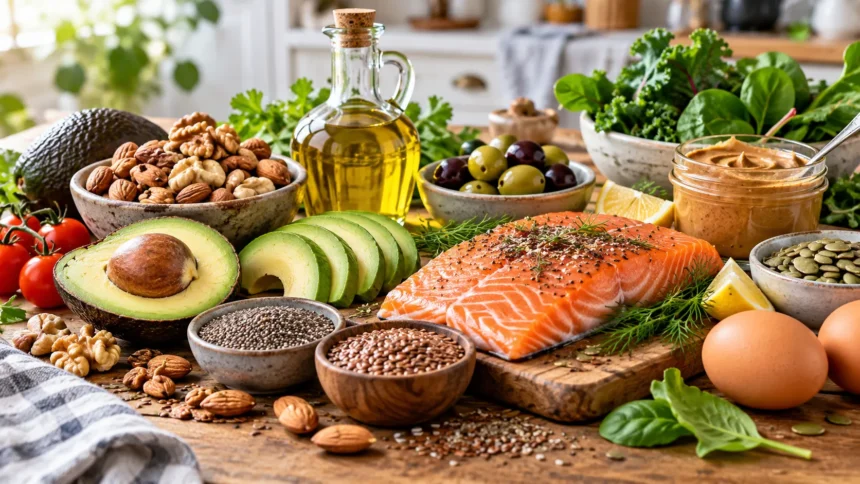
Healthy fats are an important part of a balanced diet, helping the body perform essential functions and supporting overall well-being. Although dietary fat is sometimes misunderstood, certain types of fat are necessary for absorbing vitamins, maintaining healthy cells, and supporting normal brain function. Learning about healthy fats and the best foods to eat can help you make informed nutrition choices without unnecessarily avoiding an essential nutrient.
Many everyday foods provide beneficial unsaturated fats, including avocados, olive oil, nuts, seeds, and fatty fish. These foods also contain additional nutrients such as protein, fiber, vitamins, and minerals. Including a variety of them in regular meals can support heart health and contribute to a nutritious eating pattern.
Understanding the difference between unsaturated fats, saturated fats, and trans fats is useful when planning meals. Rather than focusing on eliminating fat, a balanced approach emphasizes choosing nutritious food sources and enjoying a variety of ingredients. This guide explores the best sources of healthy fats, their nutritional benefits, and simple ways to include them in everyday meals.
What Are Healthy Fats?
Healthy fats generally refer to dietary fats that support normal body functions and are associated with favorable health outcomes when included in a balanced eating pattern. Unsaturated fats, including monounsaturated and polyunsaturated fats, are often considered healthier alternatives to high amounts of saturated fat. These fats occur naturally in many plant foods and certain fish.
Dietary fats perform several essential roles in the body. They provide energy, support cell membranes, and help the body absorb fat-soluble vitamins such as vitamins A, D, E, and K. Some fatty acids are essential because the body cannot produce them in sufficient quantities and must obtain them from food.
The health effects of dietary fat depend on its type, food source, and the overall eating pattern. For example, nuts and olive oil provide mostly unsaturated fats alongside other beneficial nutrients. Understanding these differences helps people choose a nutritious variety of foods rather than treating all dietary fats as identical.
Why Are Healthy Fats Important for Your Body?
Healthy fats contribute to several important processes that support everyday health. They help maintain normal cell structure, support the nervous system, and provide essential fatty acids. Certain dietary fats also contribute to cardiovascular health when they replace some sources of saturated fat within a balanced diet.
Fat is necessary for absorbing fat-soluble vitamins from food. Vitamins A, D, E, and K are involved in functions such as vision, bone health, immune support, and normal blood clotting. Meals containing appropriate sources of dietary fat can help the body use these nutrients effectively.
Healthy fat sources often provide additional nutritional benefits beyond their fat content. Nuts contain minerals and plant protein, seeds provide fiber, and fatty fish supply nutrients such as vitamin B12. Choosing a variety of these foods supports nutritional diversity and makes everyday meals more satisfying and enjoyable.
Understanding Monounsaturated Fats
Monounsaturated fats are a type of unsaturated fat found in foods such as olive oil, avocados, almonds, and certain other nuts. These fats contain a particular chemical structure that distinguishes them from saturated and polyunsaturated fats. They are commonly associated with heart-supportive dietary patterns.
Replacing some saturated fats with monounsaturated fats can help improve certain blood cholesterol measures. However, the overall benefits depend on the foods being substituted and the quality of the entire diet. Olive oil, nuts, and avocados are useful examples because they contribute other nutrients alongside their fat content.
Monounsaturated fats can be included in familiar meals without complicated dietary changes. Olive oil works well in salad dressings and cooking, while avocados can be added to sandwiches and grain bowls. Nuts also provide a convenient ingredient for breakfast dishes, snacks, and homemade recipes.
Understanding Polyunsaturated Fats
Polyunsaturated fats are another important category of unsaturated dietary fats. They include omega-3 and omega-6 fatty acids, which perform essential biological functions. Common sources include fatty fish, walnuts, flaxseeds, chia seeds, soybean oil, and sunflower seeds.
Some polyunsaturated fatty acids are essential nutrients because the human body cannot produce them independently. Omega-3 fatty acids are involved in normal cell function, while omega-6 fatty acids also support important physiological processes. Both categories contribute to a balanced diet when obtained through nutritious food sources.
Polyunsaturated fats are often associated with improved cardiovascular health when they replace saturated fats. Eating a variety of whole foods is generally a practical way to obtain these nutrients. Fish, seeds, nuts, and appropriate plant oils can all contribute to dietary fat diversity.
Avocados: A Nutrient-Rich Source of Healthy Fats
Avocados are among the most recognizable foods containing healthy fats, particularly monounsaturated fatty acids. Their creamy texture and mild flavor make them easy to include in different meals. In addition to dietary fat, avocados provide fiber, potassium, folate, and other important nutrients.
The combination of fiber and fat makes avocados a versatile ingredient in balanced meals. They can complement whole-grain toast, vegetable salads, rice bowls, and sandwiches. Their smooth consistency also makes them useful in dips and spreads without requiring complicated preparation.
Fresh avocados can be enjoyed alongside vegetables, legumes, eggs, and other nutritious foods. Their benefits come from being part of a varied eating pattern rather than functioning as a special treatment or health solution. Selecting ripe fruit and storing it appropriately can help maintain freshness and flavor.
Olive Oil: A Popular Heart-Healthy Fat
Olive oil is a widely used cooking ingredient and an important component of Mediterranean-style eating patterns. It contains predominantly monounsaturated fats, especially oleic acid. Extra virgin olive oil also provides naturally occurring plant compounds associated with its characteristic flavor and potential health benefits.
Research on Mediterranean dietary patterns has linked the use of olive oil and other nutritious foods with favorable cardiovascular outcomes. However, these findings reflect broader eating habits rather than the effect of a single ingredient alone. Replacing some sources of saturated fat with olive oil can be a practical dietary choice.
Olive oil is useful in salad dressings, vegetable dishes, sauces, and many cooking applications. Extra virgin varieties provide distinctive flavors that complement tomatoes, legumes, grains, and roasted vegetables. Choosing a suitable oil for the cooking method and storing it away from excessive heat and light helps maintain quality.
Almonds: Healthy Fats With Protein and Fiber
Almonds are a nutritious source of monounsaturated fats, plant protein, fiber, and several essential minerals. They also provide vitamin E, an antioxidant nutrient involved in protecting cells from oxidative damage. Their combination of nutrients makes them a useful addition to varied meals.
Almonds can be enjoyed plain, incorporated into breakfast dishes, or used as ingredients in homemade recipes. Sliced almonds add texture to salads, while almond butter provides a spread for whole-grain bread or fruit. These options make it easy to enjoy their nutritional benefits in different ways.
When selecting almond products, consider the ingredients used in preparation. Plain or lightly seasoned varieties provide flexibility for different dietary preferences. Almonds are a common allergen, so people with nut allergies should avoid them and seek suitable alternatives recommended for their circumstances.
Walnuts: A Plant Source of Omega-3 Fatty Acids
Walnuts are particularly interesting because they provide alpha-linolenic acid, commonly called ALA. This is a plant-based omega-3 fatty acid that contributes to essential fat intake. Walnuts also contain polyunsaturated fats, fiber, minerals, and naturally occurring plant compounds.
Including walnuts in a varied eating pattern can provide useful nutrients associated with cardiovascular health. However, plant-based ALA is not identical to the longer-chain omega-3 fatty acids found in oily fish. The body can convert some ALA into other omega-3 forms, but this conversion is limited.
Walnuts work well in oatmeal, yogurt, salads, and homemade baked foods. Their slightly earthy flavor pairs naturally with fruit and vegetables. Storing them properly helps preserve freshness because their unsaturated fats can become rancid when exposed to unfavorable conditions for extended periods.
Chia Seeds: Healthy Fats and Dietary Fiber
Chia seeds are small seeds that provide plant-based omega-3 fatty acids, especially alpha-linolenic acid. They are also rich in dietary fiber and contain minerals such as calcium and magnesium. Their nutritional composition makes them a useful addition to meals that include fruits, grains, and other plant foods.
One distinctive characteristic of chia seeds is their ability to absorb liquid and form a gel-like texture. This makes them popular in puddings, overnight oats, and other prepared dishes. They can also be stirred into yogurt or added to suitable recipes for additional texture.
Chia seeds are best enjoyed appropriately prepared, such as mixed into moist foods or soaked in liquid. Their fiber content may be easier to tolerate when introduced gradually alongside adequate hydration. They offer nutritional variety, but no single seed is necessary for maintaining a balanced diet.
Flaxseeds: Plant-Based Omega-3 Nutrition
Flaxseeds are another valuable source of alpha-linolenic acid, fiber, and naturally occurring plant compounds called lignans. Their mild, nutty flavor allows them to blend into many everyday foods. They are particularly useful for people interested in including more plant-based sources of unsaturated fats.
Ground flaxseed is generally easier for the body to digest than whole flaxseed because the outer seed coat can remain intact during digestion. It can be mixed into oatmeal, yogurt, or suitable homemade baked products. This makes flaxseed a convenient ingredient without requiring elaborate recipes.
Proper storage is important because ground flaxseed contains oils that can deteriorate over time. Keeping it in a tightly sealed container according to package recommendations can help preserve freshness. People with specific medical concerns or medication-related questions should seek professional advice when making significant dietary changes.
Salmon: A Rich Source of Omega-3 Fats
Salmon is well known for providing the long-chain omega-3 fatty acids EPA and DHA. These nutrients support several physiological functions, including normal cell activity and cardiovascular health. Salmon also supplies high-quality protein, vitamin B12, and other nutrients that contribute to a balanced diet.
Eating suitable varieties of fish can be part of a nutritious dietary pattern. Salmon can be prepared through baking, grilling, or other cooking methods, depending on personal preferences. Combining it with vegetables, whole grains, or legumes creates a balanced meal containing several important nutrient groups.
Fish choices should consider food safety, allergies, sustainability, and individual dietary requirements. Pregnant people and young children may have specific guidance concerning seafood selection and mercury exposure. Salmon is generally considered a lower-mercury choice, but official recommendations should still be followed where relevant.
Sardines: Small Fish With Valuable Nutrients
Sardines are small oily fish that provide omega-3 fatty acids, protein, and several important vitamins and minerals. When their soft edible bones are included, they can also contribute dietary calcium. Their nutritional value makes them a useful option for people who enjoy seafood.
Sardines are commonly available fresh or canned, making them convenient for different cooking styles. They can be incorporated into salads, pasta dishes, and other savory meals. Their distinctive flavor pairs well with vegetables, herbs, citrus, and whole-grain ingredients.
Canned sardine products vary in their preparation liquids and added ingredients. Some are packed in water, while others use olive oil or sauces. Reviewing product labels can help people choose varieties that suit their taste preferences and any specific dietary considerations.
Pumpkin Seeds: Healthy Fats and Essential Minerals
Pumpkin seeds contain unsaturated fats, plant protein, and minerals including magnesium, zinc, and iron. They provide a satisfying texture and mild nutty flavor that works well in both sweet and savory dishes. Their nutritional composition makes them a useful ingredient in diverse eating patterns.
These seeds can be added to oatmeal, salads, homemade bread, and grain bowls. Roasted pumpkin seeds are also convenient for incorporating into everyday meals. Combining them with other foods helps contribute a range of nutrients rather than relying on one ingredient alone.
Pumpkin seeds are available in shelled and unshelled forms, with different seasonings and preparation methods. Plain varieties offer flexibility for homemade recipes. As with other nutrient-rich foods, their main value comes from contributing to an overall balanced and varied diet.
Sunflower Seeds: A Source of Vitamin E and Unsaturated Fats
Sunflower seeds are another accessible source of healthy unsaturated fats. They are particularly known for containing vitamin E, which functions as an antioxidant in the body. The seeds also supply protein, minerals, and other nutrients that support everyday nutrition.
Sunflower seeds can add texture to salads, breakfast cereals, and baked dishes. Sunflower seed butter also provides an alternative spread for people who prefer seed-based products. These options make sunflower seeds easy to incorporate into familiar meals without major changes to cooking routines.
Different sunflower seed products may contain added salt, flavorings, or other ingredients. Reading labels can help individuals select varieties that match their preferences. People with food allergies should also check product packaging because manufacturing practices may involve contact with other common allergens.
Peanut Butter and Other Nut Butters
Peanut butter is a familiar food that provides mostly unsaturated fats alongside plant protein and other nutrients. Although peanuts are botanically legumes, their nutritional characteristics are similar to those of many nuts. Peanut butter can be a convenient ingredient in breakfasts, snacks, and homemade recipes.
Other spreads, including almond butter and cashew butter, offer different flavors and nutrient profiles. These products work well with whole-grain toast, fruit, oatmeal, and certain sauces. Their smooth consistency makes them versatile additions to meals containing other nutritious ingredients.
When choosing nut or seed butter, checking the ingredient list can help identify added sugars, salt, and oils. Products made primarily from nuts or seeds provide a straightforward option. Individuals with peanut or tree nut allergies should avoid the relevant products and choose safe alternatives.
Soybeans and Tofu: Plant-Based Healthy Fat Sources
Soybeans provide a combination of unsaturated fats, protein, fiber, and other nutrients. Foods made from soybeans, such as tofu and edamame, can contribute to balanced meals. They are particularly useful for people who prefer plant-based protein sources or want greater variety in their diets.
Tofu contains varying amounts of fat depending on its preparation and firmness. It absorbs flavors from sauces and seasonings, making it suitable for many culinary traditions. Edamame, which consists of immature soybeans, can be included in salads, grain bowls, and other vegetable-based dishes.
Soy foods provide nutritional benefits beyond their fat content, particularly through their protein contribution. Their versatility allows them to replace or complement different ingredients in everyday meals. People with soy allergies should avoid these products and select appropriate alternatives.
Healthy Fats vs. Saturated Fats
Unsaturated and saturated fats differ in their chemical structures and common food sources. Unsaturated fats are abundant in plant oils, nuts, seeds, and certain fish. Saturated fats occur in foods such as butter, fatty meats, some dairy products, coconut oil, and palm oil.
Replacing some saturated fats with unsaturated fats can improve certain cardiovascular risk factors, including LDL cholesterol levels. However, the overall health effect depends on the specific foods involved and the broader dietary pattern. Foods should be evaluated for their complete nutritional composition rather than fat content alone.
Saturated fat does not need to be treated as a reason to fear individual foods. Instead, balanced dietary guidance generally emphasizes choosing a variety of nutritious ingredients and favoring unsaturated fat sources more often. This approach supports flexibility and avoids unnecessarily restrictive eating habits.
What About Trans Fats?
Trans fats are a category of dietary fats that can occur naturally in small quantities in certain animal-derived foods. Industrially produced trans fats were historically used in some processed foods containing partially hydrogenated oils. These fats are associated with unfavorable effects on cardiovascular health.
Many countries have introduced restrictions on industrial trans fats because of their health risks. As a result, food manufacturing practices have changed considerably in various markets. Nevertheless, checking ingredient information remains useful when evaluating products that may contain partially hydrogenated oils.
The goal of understanding trans fats is to make informed choices rather than avoid entire food groups unnecessarily. Replacing industrial trans fats with healthier unsaturated fats supports cardiovascular health. A varied eating pattern based on familiar, nutritious foods remains a practical foundation for everyday nutrition.
Simple Ways to Add Healthy Fats to Everyday Meals
Including healthy fats in meals can be straightforward when using ingredients already available in many kitchens. Adding avocado to sandwiches, using olive oil in vegetable dishes, or including seeds in breakfast foods are simple examples. These changes can contribute nutritional variety without requiring complicated meal preparation.
A balanced breakfast might include yogurt with walnuts and fruit, while lunch could feature a vegetable salad with olive oil dressing. Dinner options may include salmon, tofu, or beans alongside vegetables and whole grains. These combinations provide different nutrients and make healthy fat sources part of ordinary eating patterns.
Variety is more important than relying on a single food because different sources provide different fatty acids and micronutrients. Individuals can choose options according to taste, allergies, cultural preferences, and food availability. Enjoying a diverse selection of nutritious meals supports consistency and long-term well-being.
Common Myths About Healthy Fats
One common myth is that all dietary fat is unhealthy. In reality, fat is an essential nutrient required for normal body functions. Different types of fats have different effects, and foods rich in unsaturated fats can contribute positively to a balanced dietary pattern.
Another misconception is that foods described as healthy fats automatically provide every nutrient the body needs. Avocados, nuts, seeds, and olive oil offer valuable nutritional benefits, but they cannot replace the importance of vegetables, fruits, proteins, and whole grains. A balanced diet depends on variety across different food groups.
Some people also believe that choosing healthy fats requires following an expensive or complicated eating plan. Many affordable foods, including peanuts, sunflower seeds, and canned sardines, provide beneficial fats. Selecting accessible ingredients and preparing familiar meals can make nutritious eating more convenient and sustainable.
Conclusion
Healthy fats play an essential role in supporting normal body functions, nutrient absorption, and overall well-being. Foods such as avocados, olive oil, almonds, walnuts, chia seeds, flaxseeds, and fatty fish provide useful sources of unsaturated fats. Many of these ingredients also contain protein, fiber, vitamins, and minerals that contribute to balanced nutrition.
Understanding the differences between monounsaturated fats, polyunsaturated fats, saturated fats, and industrial trans fats can help people make informed food choices. Favoring nutritious sources of unsaturated fats is generally recommended for cardiovascular health. However, the most effective approach considers the overall eating pattern instead of focusing on one nutrient alone.
Adding healthy fats to everyday meals does not need to involve complicated recipes or restrictive food rules. Simple combinations of nuts, seeds, plant oils, fish, and other nutritious ingredients can provide variety and enjoyment. By choosing a balanced selection of foods, you can support long-term health while maintaining a flexible and satisfying diet.
Frequently Asked Questions
What are the healthiest foods that contain fat?
Avocados, walnuts, almonds, chia seeds, flaxseeds, olive oil, salmon, and sardines are nutritious sources of healthy fats. They also provide various vitamins, minerals, protein, or fiber.
Is it good to eat healthy fats every day?
Yes, healthy fats are an important part of everyday nutrition. Including varied sources of unsaturated fats within balanced meals supports essential body functions, nutrient absorption, and cardiovascular health.
Which fruits contain healthy fats?
Avocados and olives are notable fruits containing beneficial monounsaturated fats. Most other commonly eaten fruits contain relatively little fat but contribute important vitamins, minerals, fiber, and water.
Are nuts considered healthy fats?
Yes, most nuts contain substantial amounts of unsaturated fats along with plant protein, fiber, and minerals. Their nutritional profiles vary, making a selection of different nuts useful for dietary variety.
What is the difference between omega-3 and omega-6 fats?
Omega-3 and omega-6 fatty acids are different types of essential polyunsaturated fats. Both support important body functions and must be obtained from food, although they occur in different dietary sources.