

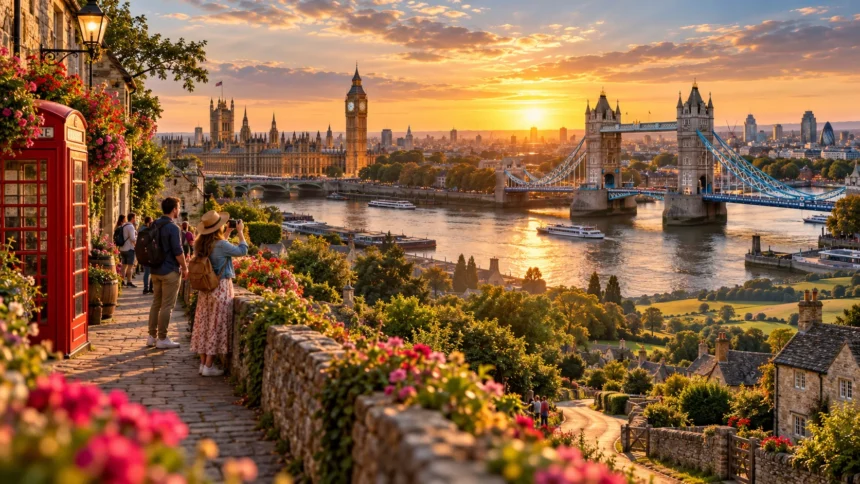
England is one of Europe’s most fascinating travel destinations, offering a remarkable combination of historic landmarks, charming countryside, beautiful coastal scenery, and vibrant modern cities. From London’s world-famous attractions to the peaceful landscapes of the Lake District, the country provides unforgettable experiences for travelers with different interests. Its impressive castles, medieval towns, royal palaces, and picturesque villages reflect centuries of history and culture.
The best places to visit in England include iconic destinations such as London, Bath, Oxford, York, and the beautiful Cotswolds. Travelers can also explore ancient monuments, discover stunning national parks, visit traditional seaside towns, and experience the country’s rich literary heritage. Each region offers distinctive attractions that make exploring England both exciting and rewarding.
Whether you are planning a short city break, a family vacation, or a longer journey through the English countryside, choosing the right destinations can improve your travel experience. This guide highlights England’s top attractions, famous sights, scenic landscapes, and practical travel tips to help you plan an unforgettable adventure.
1. London – Explore England’s Famous Capital City
London is one of the most exciting cities in the world, known for its royal landmarks, historic buildings, museums, and diverse cultural attractions. As England’s capital, it offers an extraordinary combination of traditional architecture and modern urban experiences. Visitors can discover centuries of British history while exploring lively neighborhoods, shopping districts, and beautiful public parks.
Popular attractions include Buckingham Palace, the Tower of London, Westminster Abbey, and the Houses of Parliament. Travelers can also enjoy views of Big Ben, walk beside the River Thames, and explore famous museums. The British Museum and National Gallery provide opportunities to discover remarkable collections of historical objects and artwork.
London’s extensive public transportation network makes exploring different neighborhoods relatively convenient. Visitors can enjoy traditional markets, international cuisine, theater performances, and scenic riverside walks. Spending several days in the capital allows travelers to experience its most famous attractions while discovering quieter neighborhoods and local cultural experiences.
2. Bath – Discover Roman History and Georgian Architecture
Bath is one of England’s most beautiful historic cities, famous for its ancient Roman baths and elegant Georgian architecture. Located in Somerset, the city offers an impressive combination of historical landmarks, attractive streets, and cultural experiences. Its distinctive honey-colored buildings create a charming atmosphere that attracts visitors throughout the year.
The Roman Baths are among the city’s most important attractions, offering insight into ancient bathing traditions and Roman life in Britain. Visitors can also admire Bath Abbey, explore the Royal Crescent, and walk across Pulteney Bridge. These landmarks showcase the city’s architectural heritage and provide excellent opportunities for sightseeing and photography.
Bath is particularly appealing to travelers interested in history, literature, and traditional English culture. The city is associated with novelist Jane Austen, whose connections can be explored through local attractions. Its compact central area makes walking between major sights convenient, creating an enjoyable destination for a weekend getaway.
3. Stonehenge – Visit England’s Mysterious Ancient Monument
Stonehenge is one of England’s most famous prehistoric landmarks, located on Salisbury Plain in Wiltshire. This remarkable stone circle dates back thousands of years and continues to attract interest because of its construction and possible ceremonial significance. Its enormous standing stones create an unforgettable sight within the surrounding open countryside.
Visitors can explore designated viewing areas and learn about the monument’s archaeological history through the visitor center. Exhibitions explain theories about Stonehenge’s construction, ancient communities, and changing interpretations of its purpose. The surrounding landscape also contains prehistoric features that provide additional context for understanding the monument.
Stonehenge is a popular day-trip destination from several southern English cities, although travel arrangements should be planned carefully. Visiting during quieter periods may provide a more relaxed experience. Travelers should respect protected areas and follow site regulations because preserving this extraordinary historical monument is essential for future generations.
4. Oxford – Explore Historic Universities and Beautiful Architecture
Oxford is one of England’s most recognizable university cities, famous for its historic colleges, impressive libraries, and beautiful architectural landmarks. Located northwest of London, the city offers a fascinating environment shaped by centuries of academic tradition. Its narrow streets, historic courtyards, and distinctive buildings create a memorable setting for cultural exploration.
Popular attractions include the Bodleian Library, Radcliffe Camera, and several historic university colleges. Visitors can explore museums, admire college architecture, and discover beautiful gardens throughout the city. Some college areas have restricted access or specific visiting hours, making advance planning useful for travelers interested in particular landmarks.
Oxford is also known for its literary connections and peaceful riverside scenery. Travelers can enjoy traditional cafés, independent bookshops, and walking routes beside the River Cherwell. The city’s manageable size makes it an attractive destination for sightseeing while offering opportunities to experience England’s academic and cultural heritage.
5. Cambridge – Discover Historic Colleges and Scenic Rivers
Cambridge is another famous English university city, known for its magnificent college buildings, peaceful gardens, and beautiful river landscapes. Located in eastern England, it combines historic architecture with a lively student atmosphere. Its attractive streets and open green spaces make it a popular destination for visitors interested in culture and history.
King’s College Chapel is among Cambridge’s most celebrated attractions, famous for its remarkable Gothic architecture. Visitors can also explore historic college grounds, discover museums, and admire beautiful bridges crossing the River Cam. Traditional punting experiences offer a distinctive way to enjoy views of the university buildings and surrounding scenery.
Cambridge is especially enjoyable during spring and summer when gardens and riverside areas become particularly attractive. Travelers can explore the city on foot or use its extensive cycling infrastructure. Combining historic sightseeing with relaxed outdoor activities creates a rewarding experience in one of England’s most charming university destinations.
6. York – Experience Medieval Streets and Historic Landmarks
York is one of England’s most fascinating historic cities, located in North Yorkshire. Famous for its medieval streets, ancient city walls, and impressive Gothic cathedral, York provides a memorable journey through English history. Its compact historic center contains numerous attractions that reflect different periods of the city’s development.
York Minster is one of the city’s most important landmarks, known for its remarkable architecture and stained-glass windows. Visitors can also walk through the Shambles, a famous medieval street lined with traditional buildings and shops. The historic city walls offer opportunities to admire views of York’s architecture and surrounding neighborhoods.
York also features museums, traditional markets, and attractions connected to its Roman and Viking heritage. Travelers can explore independent shops, enjoy regional cuisine, and discover historic landmarks within walking distance of one another. Its welcoming atmosphere and rich cultural history make York an excellent destination for a short English city break.
7. The Lake District – Enjoy England’s Beautiful Natural Landscapes
The Lake District is one of England’s most spectacular natural destinations, located in Cumbria in the northwest of the country. Famous for its scenic lakes, dramatic mountains, green valleys, and charming villages, the region attracts nature lovers from around the world. Its beautiful countryside provides opportunities for peaceful relaxation and outdoor exploration.
Popular locations include Windermere, Ullswater, Derwentwater, and the picturesque town of Keswick. Visitors can enjoy lakeside walks, scenic boat journeys, and designated hiking trails suited to different abilities. The region also offers charming villages, traditional accommodation, and attractive viewpoints across its remarkable landscapes.
The Lake District has strong connections to English literature, particularly the poet William Wordsworth. Visitors can explore locations associated with his life while appreciating the scenery that inspired his work. Weather conditions can change quickly in mountainous areas, so suitable clothing and careful planning are important when exploring outdoor attractions.
8. The Cotswolds – Discover England’s Prettiest Villages
The Cotswolds is a beautiful countryside region known for its rolling hills, charming villages, and traditional honey-colored stone buildings. Stretching across several counties in south-central England, it offers picturesque landscapes that reflect classic English rural scenery. The area is especially popular with travelers seeking peaceful surroundings and traditional village experiences.
Popular villages and towns include Bourton-on-the-Water, Bibury, Stow-on-the-Wold, and Castle Combe. Visitors can explore historic streets, admire traditional cottages, and enjoy local cafés and countryside walks. Many settlements feature historic churches, small shops, and attractive riverside settings that create excellent photography opportunities.
Exploring the Cotswolds is particularly enjoyable during spring and summer when gardens and surrounding landscapes become green and colorful. However, popular villages can attract large numbers of visitors during weekends and holidays. Staying overnight or exploring quieter communities may provide a more relaxed countryside experience.
9. Cornwall – Explore Stunning Beaches and Coastal Villages
Cornwall is one of England’s most beautiful coastal regions, located in the southwestern part of the country. Famous for its dramatic cliffs, sandy beaches, turquoise waters, and charming fishing villages, Cornwall offers a memorable seaside experience. Its distinctive landscape and cultural heritage make it particularly attractive during warmer months.
Popular destinations include St Ives, Falmouth, Newquay, and the spectacular coastline surrounding Land’s End. Travelers can enjoy beach walks, explore traditional harbors, and discover scenic coastal viewpoints. Cornwall also offers attractions such as the Eden Project and St Michael’s Mount, providing additional opportunities for cultural and nature-focused sightseeing.
The region is particularly popular during summer when visitors arrive for coastal holidays and outdoor activities. However, the Atlantic coastline can experience powerful waves, changing tides, and unpredictable weather. Travelers should follow local beach safety advice and choose suitable activities according to current conditions.
10. Brighton – Visit England’s Famous Seaside City
Brighton is a lively coastal city located on England’s southern shoreline, famous for its pebble beach, historic pier, and creative cultural atmosphere. The city offers a combination of seaside entertainment, independent shops, and distinctive architecture. Its convenient location makes it a popular day-trip destination from London.
The Royal Pavilion is one of Brighton’s most recognizable attractions, known for its unusual architectural style and fascinating history. Visitors can also explore Brighton Palace Pier, walk along the seafront, and discover the narrow shopping streets of the Lanes. The city’s restaurants and cafés provide numerous dining options.
Brighton is especially enjoyable during pleasant weather when the waterfront becomes a lively gathering place. Travelers can combine seaside relaxation with shopping, museums, and cultural activities. Although the beach is mainly covered in pebbles rather than sand, its coastal atmosphere makes Brighton a distinctive English holiday destination.
11. Liverpool – Discover Music, History, and Waterfront Attractions
Liverpool is a fascinating city in northwest England, internationally recognized for its musical heritage, historic waterfront, and cultural attractions. The city is particularly associated with the Beatles, whose music helped shape its global identity. Liverpool also offers impressive museums, architectural landmarks, and lively entertainment districts.
Visitors can explore the Royal Albert Dock, discover maritime history, and visit attractions celebrating the city’s musical traditions. The Beatles Story exhibition is popular among music enthusiasts, while the waterfront offers attractive walking routes. Liverpool Cathedral and other historic landmarks provide additional opportunities for cultural sightseeing.
The city’s museums and galleries reflect its important role in British history and international trade. Travelers can also enjoy restaurants, shopping areas, and live music venues throughout the center. Liverpool’s energetic atmosphere makes it an appealing destination for visitors interested in both historical experiences and contemporary culture.
12. Manchester – Experience Culture, Football, and Modern Attractions
Manchester is one of England’s largest cities, known for its industrial heritage, football culture, music scene, and modern urban attractions. Located in northwest England, it offers a lively atmosphere with numerous museums, entertainment venues, and historic buildings. The city provides an interesting combination of traditional industrial architecture and contemporary development.
Football fans can explore attractions connected with Manchester United and Manchester City, including stadium experiences when available. Other highlights include the Science and Industry Museum, Manchester Art Gallery, and the historic John Rylands Library. Visitors can also explore shopping districts and cultural neighborhoods throughout the city.
Manchester is an excellent destination for travelers interested in sports, music, shopping, and urban culture. Its public transportation network connects many major attractions and surrounding neighborhoods. The city also works as a convenient starting point for exploring parts of northern England, including nearby countryside destinations and national parks.
Best Time to Visit England for Sightseeing
The best time to visit England generally falls between late spring and early autumn, particularly May through September. During these months, temperatures are usually milder and daylight hours are longer, making sightseeing and outdoor activities more enjoyable. However, rainfall remains possible throughout the year, so weather conditions can change unexpectedly.
Spring is particularly attractive because gardens, parks, and countryside landscapes become colorful with seasonal flowers. Summer offers opportunities for coastal holidays, outdoor festivals, and long sightseeing days. However, popular destinations such as London, Cornwall, and the Lake District can become crowded during school holidays and peak tourist periods.
Autumn provides beautiful foliage and a quieter atmosphere in many countryside destinations, while winter offers festive markets and historic city experiences. Travelers should choose their season according to planned activities and personal preferences. Packing suitable clothing and allowing flexibility for rainy weather can improve an English holiday at any time of year.
How to Travel Around England
England has an extensive transportation network connecting major cities, towns, and many popular tourist destinations. Trains are particularly useful for traveling between London, Oxford, Cambridge, York, Manchester, and other urban centers. Booking tickets in advance may offer better prices on certain services, depending on availability and ticket conditions.
Public buses and coaches provide additional options, often at lower prices than some train journeys. Within major cities, travelers can use local buses, trams, and other established transport systems. London’s Underground network is especially useful for reaching different districts, while smaller historic city centers are often convenient to explore on foot.
Renting a car can be helpful when visiting rural destinations such as the Cotswolds, Cornwall, or remote countryside areas. However, driving requires familiarity with local road rules, including driving on the left. Travelers should also consider parking availability, narrow country roads, and seasonal congestion before choosing their transportation method.
Essential Travel Tips for First-Time Visitors to England
Planning an itinerary according to regional geography can help reduce unnecessary transportation time. England contains numerous attractions, but visiting distant destinations within a short holiday can become exhausting. Travelers may find it more enjoyable to combine nearby locations, such as London with Oxford or Bath, before exploring other regions.
Accommodation options range from budget guesthouses and traditional bed-and-breakfast properties to comfortable hotels and countryside inns. Booking ahead is particularly helpful during summer, major events, and popular holiday periods. Visitors should also check passport requirements, visa arrangements, and transportation schedules before departure to avoid unexpected complications.
England’s weather is famously changeable, making layered clothing and waterproof outerwear useful throughout much of the year. Comfortable walking shoes are also important because many historic attractions involve extensive walking. Respecting local customs, following attraction rules, and allowing sufficient time for sightseeing can help make the journey more comfortable and rewarding.
Conclusion
England is an extraordinary destination offering a beautiful combination of historic cities, impressive architecture, scenic countryside, and remarkable coastal landscapes. From London’s famous landmarks to the peaceful lakes and mountains of Cumbria, every region provides distinctive experiences. Travelers can explore medieval streets, royal palaces, ancient monuments, traditional villages, and vibrant cultural attractions.
The best places to visit in England depend on your travel interests, available time, and preferred experiences. History enthusiasts may enjoy Bath, York, and Stonehenge, while nature lovers can explore the Lake District, Cornwall, and the Cotswolds. Urban travelers can discover world-class museums, entertainment venues, and cultural landmarks in cities such as London, Liverpool, and Manchester.
A memorable trip to England involves balancing famous attractions with opportunities to explore quieter destinations. Choosing suitable travel dates, planning transportation carefully, and allowing flexibility for changing weather can improve the experience. With thoughtful preparation, England offers unforgettable journeys filled with history, beautiful scenery, and fascinating cultural discoveries.
Frequently Asked Questions (FAQs)
1. What are the best places to visit in England?
The best places to visit in England include London, Bath, Oxford, Cambridge, York, the Lake District, the Cotswolds, and Cornwall. Each destination offers unique historical landmarks, cultural experiences, and beautiful scenery.
2. What is the most famous tourist attraction in England?
The Tower of London, Buckingham Palace, and Stonehenge are among England’s most famous attractions. London also features internationally recognized landmarks such as Big Ben and Westminster Abbey.
3. How many days are enough to explore England?
Seven to ten days can provide a rewarding introduction to several major destinations. Two weeks or longer allows travelers to explore additional regions, including historic cities, coastal areas, and countryside attractions.
4. What is the best month to visit England?
May, June, and September are excellent months for visiting England because they often provide pleasant temperatures and favorable sightseeing conditions. July and August are also popular but can be busier.
5. Is England expensive for tourists?
Travel costs vary depending on accommodation, transportation, dining choices, and destinations. London can be relatively expensive, but travelers may reduce expenses through advance bookings, affordable accommodation, and free museums or attractions.