

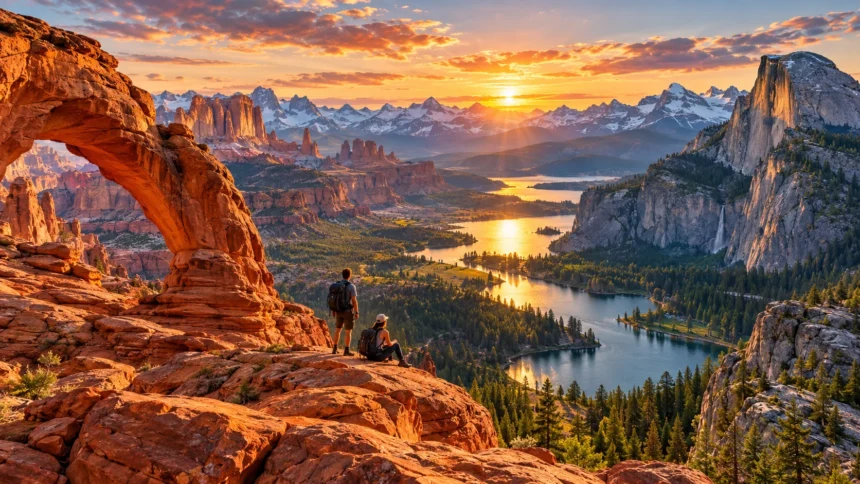
The United States is home to some of the world’s most spectacular natural landscapes, from towering mountains and ancient forests to dramatic canyons, pristine lakes, and beautiful coastlines. America’s national parks protect these extraordinary environments while offering unforgettable opportunities for sightseeing, wildlife observation, photography, and outdoor recreation. Exploring the best US national parks allows travelers to discover the remarkable geographical diversity that makes the country such an exciting destination.
Whether you dream of admiring the Grand Canyon, exploring Yellowstone’s geothermal wonders, or discovering the breathtaking cliffs of Yosemite, there is a national park for almost every travel interest. Some destinations feature dramatic mountain landscapes, while others are famous for desert scenery, waterfalls, beaches, or ancient geological formations. Each park offers distinctive attractions that make it worth exploring.
This comprehensive US national parks travel guide highlights the best parks to visit, famous natural attractions, seasonal weather, and essential travel tips. You will discover spectacular destinations across different regions, along with practical advice for choosing the right time to travel. With thoughtful planning, your national park adventure can become one of the most memorable experiences in the United States.
1. Yellowstone National Park: Geothermal Wonders and Wildlife
Yellowstone National Park is one of America’s most famous natural destinations, known for its extraordinary geothermal features, colorful hot springs, and abundant wildlife. Established in 1872, it is widely recognized as the world’s first national park. Spanning parts of Wyoming, Montana, and Idaho, Yellowstone protects a remarkable collection of natural environments that attract visitors from around the world.
One of the park’s most recognizable attractions is Old Faithful, a geyser famous for its relatively predictable eruptions. Visitors can also admire the vibrant colors of Grand Prismatic Spring and the dramatic scenery surrounding the Grand Canyon of the Yellowstone. These natural landmarks demonstrate the geological processes that continue shaping the region.
Yellowstone is also an important habitat for bison, elk, wolves, bears, and numerous other wildlife species. Visitors may observe animals from designated viewing areas while respecting park safety regulations. Late spring through early autumn generally provides access to more park roads, although weather and seasonal closures can influence travel arrangements.
2. Yosemite National Park: Granite Cliffs and Waterfalls
Yosemite National Park, located in California’s Sierra Nevada mountains, is famous for its enormous granite cliffs, beautiful valleys, and spectacular waterfalls. The park’s dramatic landscape attracts photographers, nature enthusiasts, and travelers interested in mountain scenery. Its combination of forests, rivers, and impressive rock formations makes it one of America’s most recognizable national parks.
Yosemite Valley contains several remarkable attractions, including El Capitan, Half Dome, and Yosemite Falls. These landmarks create unforgettable views that can be appreciated from established scenic viewpoints and accessible visitor areas. During spring, melting snow often increases waterfall flows, creating particularly impressive scenery throughout parts of the valley.
The best time to visit Yosemite depends on your preferred attractions and seasonal expectations. Spring is excellent for waterfall viewing, while summer provides access to more high-elevation destinations when roads are open. Autumn offers colorful foliage and comparatively quieter surroundings, although some seasonal facilities and mountain roads may close as winter approaches.
3. Grand Canyon National Park: Incredible Desert Landscapes
Grand Canyon National Park in Arizona protects one of the world’s most extraordinary geological formations. The enormous canyon features colorful rock layers, dramatic cliffs, and breathtaking viewpoints shaped by millions of years of geological processes. Its immense scale makes it one of the most impressive natural attractions in the United States.
The South Rim is the park’s most frequently visited area and provides numerous established viewpoints overlooking the canyon. Popular locations include Mather Point, Yavapai Point, and Desert View. Visitors can also discover museums, scenic roads, and interpretive exhibits that explain the region’s geological history and cultural significance.
Spring and autumn are often excellent seasons for visiting because temperatures are generally more comfortable than during the hottest summer months. However, weather conditions vary considerably between the canyon rim and its interior. Travelers should follow official safety advice and avoid underestimating the challenges associated with steep terrain and extreme temperatures.
4. Zion National Park: Towering Sandstone Cliffs
Zion National Park in southwestern Utah is famous for its towering sandstone cliffs, colorful canyon walls, and beautiful desert landscapes. The park protects a remarkable environment where steep rock formations rise above the Virgin River. Its dramatic scenery makes Zion one of the most popular destinations for travelers exploring Utah’s national parks.
Zion Canyon Scenic Drive provides access to several of the park’s most recognizable natural attractions. Visitors can admire impressive cliffs, appreciate riverside landscapes, and enjoy designated viewpoints. The Riverside Walk is a popular route for experiencing the canyon’s scenery, although trail conditions and accessibility can change depending on weather and maintenance.
Spring and autumn generally offer pleasant conditions for exploring Zion, while summer can bring intense heat and crowded visitor areas. The park operates seasonal shuttle transportation along Zion Canyon Scenic Drive, and permits are required for certain activities, including Angels Landing. Checking current access requirements helps travelers organize a comfortable and realistic itinerary.
5. Grand Teton National Park: Majestic Mountain Scenery
Grand Teton National Park in northwestern Wyoming is celebrated for its dramatic mountain peaks, beautiful lakes, and extensive wildlife habitats. Located south of Yellowstone, the park offers stunning views of the Teton Range rising above picturesque valleys. Its relatively compact geographical setting makes it appealing for scenic drives and nature-focused sightseeing.
Jenny Lake is one of the park’s most recognizable attractions, surrounded by impressive mountains and peaceful natural landscapes. Visitors can also explore scenic overlooks along the park’s roads and appreciate the Snake River’s beautiful surroundings. The combination of water, forests, and rugged peaks creates remarkable photography opportunities throughout the year.
Summer and early autumn are especially popular because many visitor facilities and scenic routes are accessible during these periods. Wildlife observation is another major attraction, with opportunities to encounter elk, moose, and other animals from safe distances. Visitors should remain alert to rapidly changing mountain weather and follow wildlife safety regulations.
6. Glacier National Park: Alpine Lakes and Scenic Roads
Glacier National Park, located in northern Montana near the Canadian border, is known for its spectacular mountain scenery, clear alpine lakes, and beautiful valleys. Its rugged landscapes contain remarkable geological features and important wildlife habitats. Travelers interested in dramatic scenery often consider Glacier one of the most beautiful national parks in the United States.
One of its most famous attractions is Going-to-the-Sun Road, a scenic mountain highway featuring extraordinary views of surrounding peaks and valleys. Visitors can also admire Lake McDonald and explore designated viewpoints throughout the park. The road’s high-elevation sections provide particularly impressive scenery when seasonal conditions allow access.
Summer is generally the most convenient period for visiting Glacier because mountain snow can delay the opening of higher roads. Early autumn offers beautiful colors and quieter surroundings, although weather becomes less predictable. Travelers should check seasonal road conditions and any current vehicle reservation requirements before organizing their national park vacation.
7. Rocky Mountain National Park: Colorado’s Alpine Beauty
Rocky Mountain National Park in Colorado offers spectacular alpine scenery, beautiful forests, and expansive mountain landscapes. Located near Estes Park and Grand Lake, the park is known for its impressive elevations and remarkable natural diversity. Visitors can experience everything from lower forested valleys to panoramic viewpoints overlooking rugged mountain peaks.
Trail Ridge Road is among the park’s most famous attractions, reaching elevations above 12,000 feet when accessible during suitable seasons. The route provides sweeping views of alpine tundra and surrounding mountain ranges. Visitors can also appreciate picturesque lakes, wildlife habitats, and scenic overlooks throughout the park’s established visitor areas.
Summer and early autumn are popular seasons because many roads and viewpoints are accessible. However, high elevations can bring sudden changes in temperature, strong winds, and afternoon thunderstorms. Some visitors may also experience altitude-related discomfort, making gradual acclimatization and sensible activity planning important considerations.
8. Acadia National Park: Beautiful Coastal Landscapes
Acadia National Park, located primarily on Mount Desert Island in Maine, offers a distinctive combination of rocky shorelines, wooded mountains, and beautiful Atlantic Ocean views. Unlike the desert and mountain environments found in western national parks, Acadia showcases the natural beauty of America’s northeastern coastline. Its scenery attracts visitors interested in photography, coastal exploration, and peaceful outdoor experiences.
Cadillac Mountain is one of Acadia’s most famous attractions, providing panoramic views of nearby islands and the surrounding ocean. Park Loop Road connects several scenic areas, including rocky coastal viewpoints and forested landscapes. Visitors can also discover historic carriage roads and picturesque lakes throughout the park.
Late spring through autumn is generally an appealing period for exploring Acadia, with summer offering comfortable opportunities for coastal sightseeing. Autumn is especially beautiful because deciduous trees develop vibrant red, orange, and yellow foliage. Cadillac Mountain’s summit road may require vehicle reservations during designated periods, making advance planning important.
9. Arches National Park: Spectacular Natural Stone Arches
Arches National Park in eastern Utah protects an extraordinary collection of natural sandstone arches, balanced rocks, and colorful desert formations. Located near Moab, the park contains more than 2,000 documented natural stone arches. Its distinctive landscapes make it one of the most visually remarkable destinations within America’s national park system.
Delicate Arch is the park’s most recognizable landmark, famous for its impressive shape and beautiful surrounding scenery. Visitors can also admire Balanced Rock, Landscape Arch, and the dramatic formations within the Windows Section. Established scenic roads and viewpoints provide opportunities to appreciate these geological wonders without exploring remote areas.
Spring and autumn are generally the most comfortable seasons for sightseeing because summer temperatures can become extremely hot. Visitors should bring appropriate sun protection, drinking water, and comfortable footwear. Park entry arrangements may change, so checking official information about admission, road access, and any reservation requirements is recommended.
10. Great Smoky Mountains National Park: Forests and Wildlife
Great Smoky Mountains National Park stretches across Tennessee and North Carolina, protecting beautiful forested mountains, scenic valleys, and diverse wildlife habitats. The park is among America’s most visited national parks, partly because of its natural beauty and convenient access from nearby communities. Its landscapes change dramatically throughout the seasons.
Cades Cove is one of the park’s most famous destinations, featuring open valleys, historic buildings, and opportunities to observe wildlife from appropriate distances. Newfound Gap Road provides scenic mountain views, while numerous designated trails lead through forests and past beautiful streams. The park is particularly well known for its remarkable biodiversity.
Spring brings flowering plants and fresh green landscapes, while autumn transforms the mountains with vibrant seasonal colors. Summer provides lush forests, although humidity and crowds can increase. Visitors should account for mountain weather, limited parking at popular destinations, and the importance of respecting wildlife throughout the park.
11. Best Time to Visit US National Parks
The best time to visit US national parks depends on location, climate, elevation, and preferred activities. Spring and autumn are generally excellent for exploring desert destinations such as Zion, Arches, and the Grand Canyon. These seasons often offer comfortable conditions for scenic drives, outdoor sightseeing, and photography.
Summer is particularly appealing for high-elevation parks such as Glacier, Grand Teton, and Rocky Mountain, where seasonal snow can restrict road access earlier in the year. However, summer is also a busy tourism period, especially during school holidays. Accommodation, parking, and popular attractions may experience increased demand.
Winter provides opportunities to appreciate quieter landscapes and dramatic snowy scenery in selected parks. However, freezing temperatures, road closures, and reduced facilities can significantly affect accessibility. Choosing travel dates based on specific park conditions rather than general nationwide weather patterns helps create a more enjoyable and practical itinerary.
12. Essential Tips for Planning a US National Parks Trip
Planning a national parks vacation begins with selecting destinations that fit your travel interests and available time. The United States covers an enormous geographical area, and many famous parks are separated by substantial distances. Grouping nearby destinations into regional itineraries can reduce unnecessary driving and provide more time for sightseeing.
Before departure, review park entrance fees, operating hours, transportation arrangements, and applicable permits. Some parks use seasonal reservation systems or require advance authorization for particular attractions. Accommodation inside and near popular parks can fill quickly, especially during summer holidays and peak foliage seasons.
Pack clothing suitable for the local climate and prepare for changing weather, particularly in mountainous or desert environments. Carry essential supplies, remain on designated routes, and observe wildlife from safe distances. Respecting conservation rules, avoiding litter, and following official guidance help protect these extraordinary environments for future generations.
Conclusion
The United States offers an incredible collection of national parks, each protecting unique landscapes and remarkable natural attractions. From Yellowstone’s geothermal features and Yosemite’s granite cliffs to the Grand Canyon’s enormous rock formations, these destinations showcase extraordinary geographical diversity. Exploring them provides memorable opportunities to appreciate America’s natural heritage.
Choosing the best US national parks depends on whether you prefer mountains, forests, deserts, lakes, or coastal scenery. Travelers interested in dramatic rock formations may enjoy Zion and Arches, while mountain enthusiasts may prefer Glacier or Grand Teton. Acadia and Great Smoky Mountains provide beautiful alternatives in the eastern United States.
Whether you are planning your first national park adventure or discovering new destinations, thoughtful preparation makes every journey more rewarding. Research seasonal weather, select suitable attractions, and allow adequate time to enjoy the landscapes. With their breathtaking scenery and protected ecosystems, America’s national parks offer unforgettable experiences for travelers of different interests.
Frequently Asked Questions (FAQs)
What are the best national parks to visit in the USA?
Yellowstone, Yosemite, Grand Canyon, Zion, Glacier, Grand Teton, and Rocky Mountain are among the most popular choices. The best destination depends on your preferred landscapes, travel season, and sightseeing interests.
What is the most visited national park in the United States?
Great Smoky Mountains National Park consistently ranks among the most visited US national parks. Its beautiful forested landscapes, convenient location, and scenic attractions contribute to its popularity.
What is the best month to visit US national parks?
May, June, September, and October are excellent months for many parks, although conditions vary by region. Summer is often better for high-elevation destinations, while spring and autumn suit desert parks.
How many national parks are there in the United States?
The United States has 63 officially designated national parks. They form part of the broader National Park System, which also includes national monuments, historical sites, recreation areas, and other protected locations.
How many days do you need for a national parks road trip?
Seven to ten days can provide enough time to explore several nearby national parks. Longer journeys are useful when destinations are widely separated or when travelers prefer a more relaxed sightseeing schedule.