

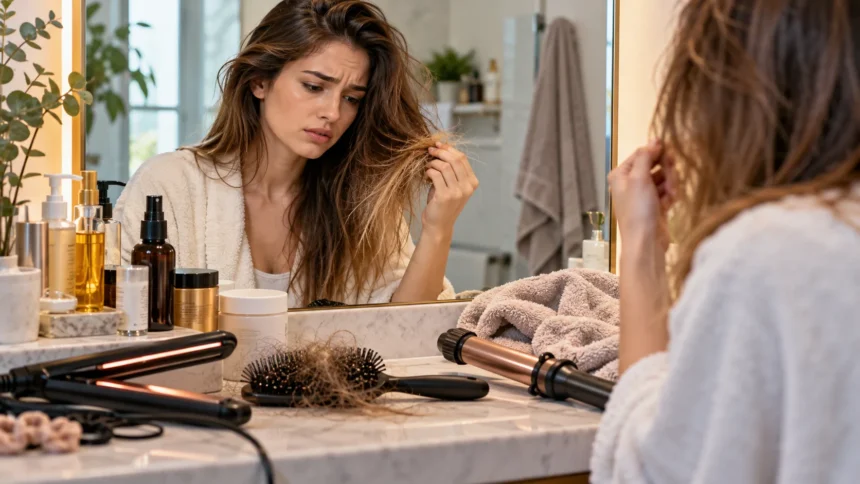
Healthy, beautiful hair is something many people want, but achieving it requires more than expensive shampoos, conditioners, and styling products. Everyday habits can gradually damage your hair, causing dryness, frizz, breakage, split ends, and a dull appearance. Surprisingly, some common hair care mistakes happen during simple activities such as washing, brushing, drying, and styling.
Understanding the hair care mistakes you should stop making can help you build a healthier routine and prevent unnecessary damage. Whether you have straight, curly, wavy, fine, or thick hair, the right techniques can improve manageability and appearance. This guide explains common hair care mistakes, why they matter, and practical ways to keep your hair looking softer, shinier, and healthier.
1. Washing Your Hair Too Often or Not Often Enough
One of the most common hair care mistakes is washing your hair without considering your scalp condition and hair type. Shampooing too frequently with a harsh cleanser can remove natural oils and leave hair feeling dry or rough. However, washing too infrequently may allow excess oil, sweat, and styling products to accumulate on the scalp.
People with oily scalps or fine hair may need more frequent washing, while those with dry, curly, or tightly coiled hair often benefit from longer intervals. There is no universal hair washing schedule that works for everyone. The ideal frequency depends on oil production, activity level, styling habits, and the products used.
Instead of following strict hair washing rules, pay attention to how your scalp and hair respond. Choose a gentle shampoo suitable for your needs and adjust the frequency when necessary. A balanced washing routine helps maintain cleanliness and comfort without unnecessarily stripping moisture from the hair strands.
2. Using Very Hot Water and Shampooing Too Aggressively
Washing your hair with very hot water may feel relaxing, but excessive heat can contribute to dryness and discomfort. Hot water can remove surface oils, leaving already dry hair feeling rougher and more difficult to manage. People with sensitive scalps may also notice irritation when washing with water that is uncomfortably hot.
Another mistake is scrubbing the scalp aggressively with fingernails while applying shampoo. This can irritate delicate skin and may contribute to discomfort or scratching. Instead, gently massage shampoo into the scalp using your fingertips, allowing the cleanser to remove accumulated oil, dirt, and product residue.
Lukewarm water is generally a comfortable choice for regular hair washing, especially when your hair is dry or chemically treated. Rinse thoroughly to remove shampoo and prevent unnecessary residue. Gentle cleansing techniques support scalp comfort while reducing the mechanical stress that can make fragile hair more vulnerable to breakage.
3. Skipping Conditioner or Applying It the Wrong Way
Skipping conditioner is a common mistake that can leave hair feeling tangled, rough, and difficult to style. Conditioner helps improve the hair’s surface, reduce friction, and make strands easier to detangle. Without adequate conditioning, damaged or naturally dry hair may become more vulnerable to breakage during brushing and everyday styling.
Another mistake is applying large amounts of conditioner without considering your hair’s texture and needs. Fine hair may become weighed down by heavy formulas, while thick or curly hair may benefit from richer conditioning products. Many people find that concentrating regular rinse-out conditioner on the mid-lengths and ends provides sufficient softness.
Allow the conditioner to remain on your hair for the recommended time before rinsing thoroughly. Choose lightweight products for fine strands and more moisturizing options when your hair needs additional softness. Consistent conditioning is one of the simplest ways to improve manageability and maintain healthy-looking hair without requiring an overly complicated routine.
4. Brushing Wet Hair Roughly and Using the Wrong Tools
Hair can be more vulnerable to stretching and breakage when wet, particularly if it is already damaged. Pulling a brush through tangled strands without care can increase friction and cause unnecessary breakage. The risk becomes greater when people rush through detangling or repeatedly tug on stubborn knots instead of separating them gently.
Using the wrong brush can also make detangling uncomfortable and difficult. A wide-tooth comb or suitable detangling brush may work well for many hair types, especially with a conditioning product. For curly and tightly coiled hair, gentle detangling while damp and conditioned can help preserve curl patterns and reduce excessive pulling.
Start near the ends of your hair and gradually work upward toward the roots when removing tangles. Hold the section above a knot to reduce tension on the scalp while working carefully. Avoid forcing the brush through resistant areas because patience and appropriate tools can make a meaningful difference in preventing damage.
5. Overusing Heat Styling Tools Without Protection
Frequent use of flat irons, curling wands, and blow dryers at high temperatures can damage the hair’s protective outer layers. Excessive heat exposure may contribute to dryness, increased breakage, and a loss of natural shine. Hair that has already been bleached or chemically processed can be particularly vulnerable to repeated thermal stress.
A common heat styling mistake is using the highest temperature setting regardless of hair condition. Fine, fragile, and damaged hair may require lower temperatures than stronger, thicker strands. Heat protectant products can help reduce some styling damage, but they do not make repeated high-temperature exposure completely harmless.
Allow your hair to air-dry partially when practical, and use the lowest effective temperature for styling. Avoid holding heated tools on one section for unnecessarily long periods, and follow the manufacturer’s instructions for safe use. Reducing heat exposure whenever possible can help maintain smoother hair and minimize avoidable breakage.
6. Wearing Tight Hairstyles That Pull on Your Hair
Tight ponytails, braids, buns, and extensions can create repeated tension on the hair and scalp. When hairstyles constantly pull on the same areas, they may contribute to breakage and a form of hair loss called traction alopecia. This risk can increase when tight styling continues regularly over an extended period.
Some people notice tenderness, headaches, small bumps, or broken hairs around their hairline after wearing restrictive hairstyles. These signs can indicate that the hairstyle is placing unnecessary stress on the scalp. Ignoring persistent pulling may eventually contribute to more serious damage, particularly around the edges and temples.
Choose comfortable hairstyles that do not create constant tension or scalp discomfort. Rotate styles, avoid excessively tight hair accessories, and give sensitive areas opportunities to recover. If you notice persistent thinning or recession around the hairline, consider consulting a dermatologist because early attention may help prevent lasting hair loss.
7. Coloring, Bleaching, or Chemically Treating Hair Too Frequently
Hair coloring and chemical treatments can change your appearance, but repeated processing may weaken the hair shaft. Bleaching, straightening, perming, and relaxing involve chemical changes that can affect hair strength and flexibility. Combining several treatments without appropriate care may increase the likelihood of dryness, breakage, and a rough texture.
One common mistake is applying additional chemical treatments before assessing the condition of previously processed hair. Overlapping strong products on already fragile sections can lead to excessive damage. Results depend on the products used, processing conditions, hair history, and whether instructions are followed correctly.
Before making major changes, consider discussing your hair’s condition with an experienced stylist. Follow product directions carefully, avoid incompatible treatments, and allow appropriate intervals between processing sessions. Conditioning products can improve the feel of damaged strands, but severely compromised hair cannot always be restored to its original condition.
8. Ignoring Scalp Health and Excessive Product Buildup
Healthy-looking hair starts with a comfortable, well-maintained scalp, yet many people focus only on the length of their hair. Excess oil, dead skin, and styling product residue can accumulate when cleansing is inadequate for individual needs. This buildup may leave hair feeling heavy and contribute to scalp discomfort or visible flakes.
Another mistake is assuming every flaky or itchy scalp simply needs more oil or moisturizing products. Dandruff, irritation, and other scalp conditions can have different causes and may require different treatments. Applying heavy oils or fragranced products without understanding the underlying problem can sometimes worsen irritation rather than relieve it.
Choose cleansing products appropriate for your scalp and rinse thoroughly after washing. If you experience persistent itching, redness, scaling, pain, or unusual hair shedding, seek professional advice instead of repeatedly switching products. Addressing scalp concerns appropriately helps support comfort and makes maintaining a consistent hair care routine easier.
9. Using Hair Products That Do Not Match Your Hair Type
Not every popular hair care product is suitable for every person, even when it receives excellent reviews. Hair texture, density, scalp oiliness, chemical processing, and styling preferences influence how products perform. Using formulas that do not match your needs can leave hair greasy, dry, tangled, or difficult to manage.
Fine hair may become flat when overloaded with rich creams or heavy oils, while curly hair may need additional conditioning to improve softness and definition. Similarly, color-treated hair may benefit from products designed for its specific condition. Rather than purchasing products based on trends, consider the results you want and the challenges you experience.
Introduce new products gradually so you can evaluate whether they improve your hair’s appearance and feel. Avoid layering numerous products without a clear purpose because excessive buildup can complicate styling. A simple shampoo, suitable conditioner, and carefully chosen leave-in or styling product may be enough for an effective routine.
10. Neglecting Split Ends and Regular Hair Maintenance
Ignoring split ends is another common hair care mistake that can leave hair looking frizzy and uneven. Split ends develop when the hair shaft becomes damaged and begins separating near the tip. Frequent friction, chemical treatments, and excessive heat can contribute to this damage, particularly in older hair lengths.
Some products temporarily smooth split ends, making them appear less noticeable, but they cannot permanently reconnect damaged hair fibers. Trimming affected ends is the most reliable way to remove existing splits. However, there is no universal trimming schedule, and people should adjust maintenance according to their hair condition, length goals, and styling habits.
Regularly inspect the ends of your hair for noticeable splitting, roughness, and excessive tangling. Consider trimming when damage becomes apparent rather than automatically cutting large amounts of healthy hair. Gentle handling and reduced chemical or thermal stress can help limit future damage while allowing you to maintain your preferred hairstyle.
11. Forgetting Hair Protection During Sleep, Swimming, and Outdoor Activities
Everyday environmental conditions can affect hair appearance, yet protection is often overlooked outside the bathroom. Repeated friction against rough fabrics may contribute to tangles and breakage, particularly with fragile or textured hair. Tight accessories worn overnight can also create tension that makes strands more difficult to manage the following morning.
Swimming introduces additional challenges because pool chemicals and saltwater can leave some hair types feeling dry or tangled. Rinsing before and after swimming, using suitable conditioning products, and wearing a swimming cap when practical can help reduce exposure. These steps may be especially useful for people with bleached, colored, or already dry hair.
Extended sun exposure can also affect hair color and increase weathering of the hair shaft. Hats or other physical coverings offer protection during long periods outdoors, while gentle protective styles may help manage tangling in windy conditions. Small adjustments to your everyday habits can reduce avoidable damage without making hair care overly demanding.
12. Expecting Instant Results and Ignoring Unusual Hair Loss
One of the biggest hair care mistakes is expecting every product to transform damaged hair immediately. Conditioners and styling products can improve softness, shine, and manageability, but they cannot permanently reverse all structural damage. Noticeable changes in hair length and overall condition often require time, consistent care, and realistic expectations.
Another mistake is frequently replacing products before understanding whether they suit your needs. Constantly changing shampoos, treatments, and styling methods can make it difficult to identify what actually improves your routine. Focus on gentle cleansing, appropriate conditioning, reduced damage, and simple habits that you can maintain consistently.
It is equally important not to ignore sudden or excessive hair shedding, patchy hair loss, or changes accompanied by scalp symptoms. These concerns may relate to medical conditions, medications, nutritional deficiencies, or other factors beyond routine styling. A healthcare professional can help determine the cause and whether specific treatment is needed.
Conclusion
Avoiding common hair care mistakes can make a meaningful difference in how your hair looks and feels. Washing too aggressively, skipping conditioner, using excessive heat, and handling tangled strands roughly can contribute to dryness and breakage. By recognizing these habits and making practical adjustments, you can develop a gentler routine that supports smoother, healthier-looking hair.
Good hair care does not require a complicated collection of expensive products or constantly changing routines. Understanding your hair type, maintaining scalp hygiene, conditioning appropriately, and reducing unnecessary damage are more important than following every beauty trend. Small, consistent improvements often create a more manageable routine and help protect your hair over time.
Remember that every person’s hair responds differently to products, weather, and styling techniques. Pay attention to changes in your hair’s condition and seek professional guidance when unusual shedding or persistent scalp problems occur. With patience, appropriate products, and healthier everyday habits, you can maintain soft, shiny, and beautiful hair while minimizing avoidable damage.
Frequently Asked Questions (FAQs)
1. What Are the Most Common Hair Care Mistakes?
Common mistakes include washing hair too aggressively, skipping conditioner, overusing heated styling tools, and brushing tangled hair roughly. Tight hairstyles, excessive chemical processing, and unsuitable products can also contribute to damage.
2. How Often Should You Wash Your Hair to Keep It Healthy?
Washing frequency depends on scalp oil production, hair texture, activity level, and styling habits. Oily scalps may require frequent cleansing, while dry or curly hair may benefit from longer intervals.
3. Can Damaged Hair Become Healthy Again Naturally?
Some products can improve damaged hair’s appearance, softness, and manageability, but they cannot permanently repair every structural change. Reducing damaging habits and trimming severely split ends can improve overall hair condition.
4. Does Using Heat Styling Tools Every Day Damage Hair?
Frequent high-temperature styling can increase dryness, breakage, and surface damage, particularly in fragile or chemically treated hair. Lower heat settings, fewer styling sessions, and suitable heat protection can help reduce these risks.
5. What Is the Best Daily Hair Care Routine?
A good routine includes gentle handling, suitable cleansing, conditioning when needed, and minimizing unnecessary heat or tension. Adjust your habits according to your hair type, scalp condition, and styling preferences.