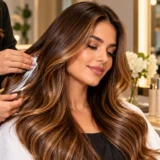


Wavy hair has a beautiful natural texture, but finding products that maintain softness, definition, and movement can sometimes feel challenging. Heavy conditioners may flatten loose waves, while unsuitable styling products can leave hair feeling sticky or dry. Choosing the best products for wavy hair can help improve manageability, reduce unwanted frizz, and support your natural wave pattern without creating unnecessary buildup.
A successful wavy hair care routine combines gentle cleansing, lightweight conditioning, and styling products suited to your individual hair needs. Whether you have loose 2A waves, defined 2B patterns, or more textured 2C hair, selecting the right formulas can make everyday styling easier. Understanding which products work best for your hair type helps you maintain soft, bouncy waves without spending money on unnecessary treatments.
Understand Your Wavy Hair Type Before Choosing Products
Wavy hair generally falls within the Type 2 hair classification, which includes patterns ranging from loose bends to more defined waves. Type 2A hair usually has gentle curves, while Type 2B develops more noticeable S-shaped patterns. Type 2C hair typically features stronger waves that may resemble loose curls in certain sections, although individual patterns can vary considerably.
Understanding your hair type can help you identify suitable product textures and styling techniques. Fine waves may become flat when exposed to rich creams, while coarse or dense waves might benefit from additional conditioning. Hair porosity, scalp oil production, and strand thickness also influence how well different formulas perform after washing and styling.
Before purchasing new hair care products, observe how your waves behave throughout the week. Notice whether your roots become greasy, the ends feel dry, or humidity changes your hairstyle. These observations help you choose products that address specific concerns rather than following routines designed for completely different hair characteristics.
Best Lightweight Shampoos for Wavy Hair
A gentle shampoo is one of the most important products for maintaining healthy-looking wavy hair. The ideal formula removes sweat, excess scalp oil, and styling residue without leaving the lengths excessively dry. Lightweight shampoos are especially useful for fine waves because rich conditioning formulas can sometimes make natural bends appear flatter after washing.
Products such as Verb Ghost Shampoo and other lightweight cleansing formulas may appeal to people who prefer softness without a heavily conditioned finish. However, a shampoo’s suitability depends on its complete formulation and your scalp’s needs. People with dry or coarse wavy hair may prefer a more moisturizing cleanser that improves comfort and manageability.
Apply shampoo mainly to your scalp and massage gently with your fingertips. Allow the lather to travel through the lengths during rinsing instead of rubbing the strands aggressively. Washing frequency should depend on oil production, exercise habits, and product buildup rather than following a fixed schedule based entirely on your wave pattern.
Best Conditioners for Soft and Defined Waves
Conditioner helps wavy hair remain soft, manageable, and easier to detangle after cleansing. The best conditioners for wavy hair reduce friction without leaving unnecessary residue on the strands. Fine or low-density waves may benefit from lightweight formulas, while thicker hair can sometimes tolerate richer conditioning products without losing natural movement.
When selecting a conditioner, look for formulas that match your hair’s moisture requirements rather than choosing the richest available treatment. Products containing conditioning agents, fatty alcohols, and suitable moisturizing ingredients can improve softness. Individual results vary, so pay attention to how your hair feels after rinsing instead of focusing exclusively on marketing claims.
Apply conditioner mainly to the mid-lengths and ends, where tangling and dryness are often more noticeable. Use a wide-tooth comb or your fingers to distribute the product carefully when appropriate. Rinse according to the instructions, and avoid applying excessive amounts near the roots if your hair becomes greasy or loses volume.
Best Leave-In Conditioners for Wavy Hair
Leave-in conditioners can help maintain softness between washes while supporting easier styling. Unlike traditional rinse-out conditioners, these products are formulated to remain on the hair after application. Lightweight leave-in sprays are particularly useful for fine waves, while slightly richer lotions may suit hair that frequently feels dry or rough.
A suitable leave-in conditioner can make detangling easier and reduce friction during everyday activities. However, products containing large amounts of heavy oils or rich butters may weigh down some wavy textures. Start with a small quantity and apply it mainly to the lengths and ends rather than automatically coating the entire head.
For the best results, apply leave-in conditioner to damp hair after gently removing excess water. Distribute it evenly using your fingers or a suitable comb, then allow your waves to form naturally. If your hair feels coated after several applications, reduce the amount or choose a lighter formula instead of layering additional products.
Best Mousses for Adding Volume to Wavy Hair
Hair mousse is a popular styling product for wavy hair because it can support volume and definition without the richness of some creams. Lightweight mousses are especially useful when fine waves lose their shape quickly. Depending on the formulation, they can help maintain natural movement while reducing the need for repeated styling throughout the day.
Products such as AG Care Cloud Air Light Volumizing Mousse illustrate the type of airy styling formula that may suit wavy textures. Some mousses emphasize flexible hold, while others focus on root lift or curl definition. Choosing the right product depends on whether you want additional fullness, stronger wave formation, or a softer finish.
Apply mousse to damp hair and distribute it evenly through manageable sections. Gently scrunch your waves upward to encourage their natural shape, then allow the hair to air dry or use a diffuser. Avoid applying excessive amounts because even lightweight styling products can cause stiffness or buildup when repeatedly layered.
Best Hair Gels for Long-Lasting Wave Definition
Hair gel can help wavy hair maintain its shape by adding hold during the drying process. Unlike heavily moisturizing styling creams, many gels emphasize definition and support without adding substantial weight. They can be particularly useful for waves that lose their pattern after drying or become separated during everyday activities.
Lightweight products such as Umberto Giannini Curl Jelly and Crown Affair The Finishing Gel are examples of styling gels associated with textured hair routines. Different formulas deliver different levels of hold, shine, and flexibility. Fine waves may respond well to lighter gels, while stronger patterns sometimes benefit from more structured hold.
Apply a suitable gel to damp hair after conditioning, using only the amount needed for your hair length and density. Gently scrunch the strands and avoid unnecessary touching while drying. Some gels form a temporary firm cast that can be softened by gently scrunching completely dry hair without significantly disturbing the wave pattern.
Best Curl Creams and Wave Sprays for Natural Texture
Curl creams and wave sprays are useful for enhancing natural texture, although they serve somewhat different purposes. Curl creams generally emphasize conditioning and softness, while wave sprays may add definition, light hold, or texture. Choosing between them depends on whether your hair needs additional moisture or simply help maintaining its natural bends.
Ouai Wave Spray is one example of a styling product designed to emphasize natural-looking texture. Richer curl creams may suit coarse 2C waves, while fine 2A hair often benefits from smaller amounts of lightweight formulas. Some texture sprays contain ingredients that can leave hair feeling dry, making individual product selection particularly important.
Apply wave-enhancing products to damp hair and distribute them carefully before scrunching. Avoid combining multiple creams and sprays until you understand how each formula affects your hair. If your waves become stiff, sticky, or flat, reduce the amount rather than assuming that additional product will improve definition.
Best Hair Masks and Treatments for Dry Wavy Hair
Hair masks can help wavy hair feel smoother when ordinary conditioning does not provide enough softness. They are especially useful for strands affected by heat styling, coloring, or environmental dryness. However, deep conditioning treatments vary considerably, and the richest formulas are not always suitable for fine or easily weighed-down waves.
Look for treatments that address your hair’s actual condition, including dryness, tangling, or damage from chemical processing. Some products focus on conditioning, while others contain ingredients designed to support the appearance and feel of damaged hair. No cosmetic mask can permanently repair split ends, so realistic expectations are important when evaluating treatment claims.
Apply a hair mask mainly to the lengths and ends, following the manufacturer’s instructions for quantity and application time. Some people benefit from weekly treatments, while others need them less frequently. If your waves begin feeling heavy or unusually coated, reduce treatment frequency and return to a simpler conditioning routine.
Best Anti-Frizz Serums and Lightweight Hair Oils
Anti-frizz serums can help improve smoothness when wavy hair becomes difficult to manage in humid or dry conditions. These products often contain ingredients that reduce friction, add shine, or temporarily smooth the hair surface. The ideal formula should support your preferred wave pattern without making the lengths appear greasy or unnecessarily heavy.
Lightweight serums may work well for fine waves, while thicker or coarser hair can sometimes tolerate more substantial products. Hair oils can also improve lubrication and shine when applied sparingly. However, oils do not replace water-based conditioning products, and excessive application may cause buildup or make natural waves appear flatter.
Begin with a very small amount and distribute the serum or oil through dry ends rather than concentrating it near the scalp. Evaluate the result before applying more. If your hair becomes greasy shortly after styling, consider using less product or choosing a lightweight smoothing spray instead.
Best Heat Protectants and Drying Products for Wavy Hair
Heat protectants are useful for people who regularly blow-dry, straighten, or curl their wavy hair. These products are designed to help reduce some heat-related damage when used according to their instructions. Lightweight sprays may suit fine hair better than rich creams, although the most appropriate formula depends on your styling method.
A diffuser attachment can also support natural wave definition by distributing blow-dryer airflow more gently. Use low or moderate heat and avoid directing concentrated airflow at one section for extended periods. A microfiber towel or cotton T-shirt can help remove excess water without the aggressive rubbing associated with traditional towel drying.
When styling with heat, follow the instructions for both your appliance and protective product. Most conventional straighteners and curling irons should be used on completely dry hair unless specifically designed otherwise. Limiting repeated exposure to high temperatures can help maintain smoother, more manageable strands over time.
How to Build a Simple Wavy Hair Product Routine
A practical wavy hair routine does not require every styling product available on the market. Begin with a suitable shampoo and conditioner that address your scalp and moisture needs. Then choose one styling product, such as mousse or gel, according to whether your priority is volume, definition, or longer-lasting hold.
After washing, gently remove excess water and apply a small amount of leave-in conditioner if your hair needs additional softness. Distribute your chosen styling product through damp sections and scrunch the waves into their natural shape. Allow your hair to air dry or use controlled diffuser airflow, minimizing unnecessary manipulation during drying.
Between washes, refresh flattened sections with a light mist of water rather than automatically adding multiple products. A small amount of leave-in spray or gel may help when additional softness or hold is needed. Regular cleansing remains important when the scalp becomes oily or styling residue begins accumulating.
Conclusion
Choosing the best products for wavy hair begins with understanding your natural texture, strand thickness, and individual moisture requirements. Gentle shampoos, lightweight conditioners, mousses, gels, and suitable styling sprays can support soft, defined waves. The most effective products are those that improve manageability without creating unnecessary heaviness or buildup.
Fine waves often benefit from lightweight formulas that maintain movement, while thicker or coarser textures may require additional conditioning. Applying products to damp hair, scrunching gently, and minimizing excessive heat can also improve styling results. A balanced routine is usually more practical than relying on several products with overlapping purposes.
Healthy-looking wavy hair does not need to be perfectly defined or completely free from frizz. Focus on maintaining comfortable scalp care, appropriate moisture, and styling techniques that suit your preferences. With thoughtful product selection and consistent habits, you can enjoy your natural waves while keeping everyday maintenance simple.
Frequently Asked Questions (FAQs)
What are the best products for naturally wavy hair?
Lightweight shampoo, suitable conditioner, leave-in spray, mousse, and styling gel are useful options. The best combination depends on your hair thickness, moisture needs, and preferred level of wave definition.
Is mousse or gel better for wavy hair?
Mousse is often useful for lightweight volume and flexible definition, while gel can support stronger hold. Some people use both, but choosing one suitable product may be enough for everyday styling.
Should wavy hair use curl cream?
Yes, some wavy hair types benefit from curl creams, especially when additional softness is needed. However, fine waves may become flat when rich creams are applied excessively.
How can I make my wavy hair less frizzy?
Use a suitable conditioner, dry gently with microfiber fabric, and apply a lightweight styling product when needed. Avoid aggressive brushing and excessive handling while your waves are drying.
How many products do I need for a wavy hair routine?
A basic routine can include shampoo, conditioner, and one styling product. Leave-in conditioner, a hair mask, or heat protectant may be useful depending on your hair’s condition and styling habits.