

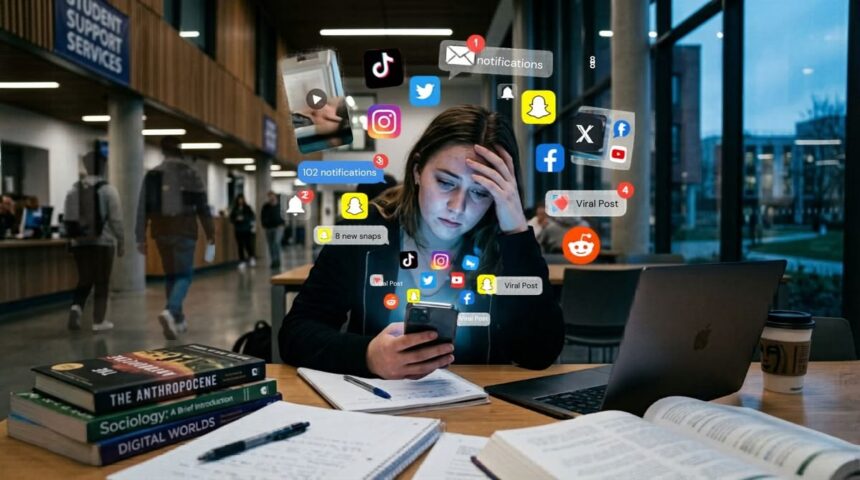
In today’s fast-paced world, digital literacy isn’t just a buzzword—it’s a necessity. As technology continues to evolve at breakneck speed, the ability to navigate the digital landscape has become essential for personal and professional success. From social media platforms to online banking and remote learning, our daily lives are intertwined with digital tools and resources.
But what exactly does it mean to be digitally literate? It’s more than just knowing how to send an email or scroll through social media feeds. Digital literacy encompasses a range of skills that empower individuals to interact confidently with information in various formats. It enables us not only to access content but also critically evaluate it, create our own materials, and communicate effectively in an increasingly connected world.
As we dive deeper into this topic, you’ll discover why embracing digital literacy is crucial for everyone—regardless of age or background. The journey toward becoming digitally savvy can open doors you never knew existed!
The Evolution of Technology and Its Impact on Society
Technology has transformed our lives in unimaginable ways. From the invention of the wheel to smartphones, each leap forward shapes how we communicate and interact.
The advent of the internet marked a pivotal moment. Suddenly, information became accessible at our fingertips. Social media platforms emerged, altering human connection and engagement on a global scale.
With advancements like artificial intelligence and automation, industries have evolved rapidly. Jobs have disappeared while new roles are created that require different skill sets.
Education is also feeling this impact. Digital tools enhance learning experiences but can widen gaps for those without access.
As technology continues to advance, it reshapes societal norms and expectations daily. The challenge lies in adapting effectively to these changes while ensuring everyone benefits from progress rather than being left behind.
The Benefits of Being Digitally Literate
Being digitally literate opens doors. It enables individuals to navigate the vast online landscape with ease, whether for personal growth or professional advancement.
Access to information becomes seamless. You’ll find yourself quickly sifting through resources and identifying credible sources. This skill sharpens critical thinking and enhances decision-making capabilities.
Communication improves as well. Digital literacy equips you with the tools needed to engage effectively in various online platforms, fostering connections that can lead to new opportunities.
Moreover, it boosts confidence. Understanding technology reduces anxiety when tackling digital tasks, making everyday activities more manageable—like shopping or managing finances.
Employers increasingly value digital skills too. A strong grasp of technology makes candidates more competitive in today’s job market, leading to career advancement and stability.
In a world driven by innovation, being digitally savvy is not just beneficial; it’s essential for navigating modern life successfully.
Common Misconceptions about Digital Literacy
Many people think digital literacy only involves knowing how to use social media or send emails. While these skills are important, they barely scratch the surface.
Another misconception is that digital literacy is solely for younger generations. In truth, individuals of all ages can benefit from enhancing their skills in a rapidly evolving technological landscape.
Some assume that being digitally literate means mastering every new gadget or application. However, it’s more about understanding how technology works and its implications on daily life.
Moreover, there’s a belief that if someone isn’t tech-savvy by now, it’s too late to learn. The reality is that anyone can improve their digital skills at any age with patience and practice.
Many fail to recognize the importance of critical thinking when engaging with online content. Digital literacy extends beyond technical abilities; it’s also about discerning reliable information from misinformation.
How to Improve Your Digital Literacy Skills
Improving digital literacy skills can be an exciting journey. Start by exploring various online courses. Platforms like Coursera and Khan Academy offer free resources tailored to different skill levels.
Practice is essential. Use everyday tools, such as word processors or spreadsheets, to become more comfortable with technology. Experimenting helps solidify your knowledge.
Join online communities or forums focused on tech topics that interest you. Engaging in discussions can deepen your understanding and expose you to new ideas.
Don’t shy away from asking for help. Reach out to friends or colleagues who are tech-savvy; they may provide tips that speed up your learning process.
Stay updated with the latest trends in technology through blogs, podcasts, and webinars. The world of digital literacy evolves quickly; being informed keeps you ahead of the curve.
Digital Literacy in the Workplace
Digital literacy has become a cornerstone of modern workplaces. It goes beyond simply knowing how to use software; it encompasses the ability to navigate information critically and communicate effectively in digital spaces.
Employers value digitally literate employees because they contribute to efficiency and innovation. These individuals can adapt quickly, troubleshoot tech issues, and leverage tools that enhance productivity.
Collaboration platforms, data management systems, and even social media play vital roles in business today. Teams rely on technology for communication and project management more than ever before.
Moreover, being digitally literate helps employees stay competitive. As industries evolve with new technologies, those who embrace digital skills have greater opportunities for growth within their careers.
Training programs focused on enhancing these skills are becoming commonplace. Companies understand that investing in employee education leads to long-term benefits for both staff members and the organization as a whole.
The Future of Digital Literacy: Trends and Predictions
As technology advances, the landscape of digital literacy will shift dramatically. Emerging tools like artificial intelligence and augmented reality are reshaping how we interact with information.
We can expect a greater emphasis on critical thinking skills. With misinformation rampant online, discerning credible sources will become essential. Digital literacy won’t just be about knowing how to use software; it’ll also involve understanding data ethics and privacy concerns.
Moreover, accessibility remains a hot topic. Future initiatives may focus on bridging the digital divide, ensuring everyone has access to resources for skill development.
Gamification in learning could also rise in popularity. Engaging platforms might make mastering new technologies not only effective but enjoyable as well.
Lifelong learning will take center stage. As industries evolve rapidly, continuous upskilling will be vital to stay competitive in the workforce of tomorrow.
Conclusion: Why Everyone Should Strive to Be Digitally Literate
Digital literacy is becoming increasingly vital in our fast-paced, technology-driven world. It goes beyond just knowing how to use devices or software; it encompasses the ability to navigate, evaluate, and create information effectively. As we see rapid advancements in technology shaping every aspect of our lives—from communication to education and business—being digitally literate can no longer be viewed as optional.
The benefits are undeniable. Individuals who embrace digital skills often find greater job opportunities, enhanced problem-solving abilities, and improved access to information. These skills foster a sense of empowerment as users can participate meaningfully in society’s digital landscape.
Despite common misconceptions that digital literacy is only for tech-savvy individuals or younger generations, the truth is that everyone has something to gain from improving their digital skills. The barriers are diminishing with numerous resources available online for learners at all levels.
As businesses navigate an increasingly complex technological environment, employees equipped with strong digital literacy will stand out. Companies value those who can adapt quickly and utilize technology efficiently.
Looking ahead, trends suggest that digital literacy will continue evolving alongside emerging technologies like artificial intelligence and virtual reality. Staying informed about these changes is essential for anyone wishing to thrive today—and tomorrow.
Every person should recognize the importance of developing their digital capabilities. Embracing this journey not only enriches personal growth but also enhances community engagement in an interconnected world where knowledge truly is power.