
Plastic has become one of the most widely used materials in modern society. It is inexpensive, lightweight, durable, and useful in products ranging from food packaging and medical equipment to electronics and transportation components. However, the same durability that makes plastic useful also creates a major environmental problem when plastic products are discarded incorrectly.
Plastic pollution is now found in oceans, rivers, lakes, soil, beaches, cities, and even remote ecosystems. Large plastic items can damage habitats and wildlife, while smaller fragments known as microplastics can spread through food chains and environmental systems.
Understanding how plastic pollution affects the environment is important for developing better waste-management systems, reducing unnecessary plastic consumption, improving recycling, and encouraging more sustainable alternatives.
What Is Plastic Pollution?
Plastic pollution occurs when plastic products and materials accumulate in the natural environment.
It can come from household waste, industrial activities, packaging, fishing equipment, construction materials, agricultural products, littering, and inadequate waste-management systems.
Plastic pollution can appear as large objects such as bottles and bags or as tiny particles called microplastics.
Because many plastics degrade very slowly, improperly discarded materials can remain in the environment for long periods.
Why Is Plastic Pollution a Global Problem?
Plastic production and consumption have expanded rapidly over the past several decades.
Many plastic products are designed for short-term use but can persist in the environment for much longer. Single-use packaging is particularly challenging because it can become waste shortly after purchase.
When waste-management systems cannot collect, process, or safely dispose of these materials, plastic can enter waterways and ecosystems.
Plastic pollution is therefore not simply a litter problem. It is connected to production, consumption, waste management, infrastructure, economics, and environmental policy.
Plastic Pollution in the Oceans
Oceans are among the environments most visibly affected by plastic pollution.
Plastic waste can enter marine environments through rivers, coastal communities, stormwater systems, fishing activities, shipping, and other sources.
Once in the ocean, plastic can travel significant distances through currents and winds.
Large items can accumulate along coastlines, while smaller particles can spread through marine ecosystems.
How Plastic Affects Marine Animals
Marine animals can interact with plastic in several harmful ways.
Turtles, seabirds, fish, marine mammals, and other animals may mistake plastic for food. Ingesting plastic can interfere with feeding and digestion.
Animals can also become trapped or entangled in discarded fishing nets, ropes, packaging, and other plastic materials.
Such interactions can cause injury, restrict movement, interfere with feeding, or result in death.
Plastic and Seabirds
Seabirds are particularly exposed to marine plastic pollution because they feed in ocean environments.
Some birds can mistake floating plastic fragments for food and consume them.
Plastic can accumulate inside their digestive systems, potentially reducing available space for nutritious food.
This demonstrates how pollution can affect wildlife even when plastic waste is not directly visible to people.
The Problem of Microplastics
Microplastics are very small plastic particles, generally defined as particles smaller than 5 millimeters.
They can form when larger plastic products break down or can enter the environment as small particles from sources such as synthetic textiles, industrial processes, and other products.
Because they are tiny, microplastics can be difficult to remove once they enter waterways or soils.
How Microplastics Spread
Microplastics can move through rivers, oceans, wind, wastewater systems, agricultural environments, and food webs.
Their small size allows them to enter places where larger pieces of plastic cannot.
Researchers have detected microplastics in numerous environmental settings, demonstrating the widespread nature of plastic contamination.
Plastic Pollution and Soil
Plastic pollution does not only affect oceans.
Agricultural land, forests, grasslands, and urban soils can also accumulate plastic waste.
Plastic materials can enter soil through litter, agricultural plastics, compost contamination, wastewater, and atmospheric deposition.
Plastic particles may alter soil properties and interact with organisms living underground.
Effects on Soil Organisms
Healthy soils contain complex communities of microorganisms, insects, worms, and other organisms.
Plastic pollution can change the physical structure of soil and may influence how water and nutrients move through it.
Research continues to investigate the full effects of different plastic types and microplastic concentrations on soil ecosystems.
Plastic Pollution in Rivers and Lakes
Freshwater environments can transport plastic from inland communities toward larger bodies of water.
Rivers can act as pathways through which plastic waste moves from urban and rural areas toward oceans.
Lakes and reservoirs can also accumulate plastic pollution, especially in areas with high human activity and inadequate waste-management systems.
Reducing plastic pollution in freshwater systems is therefore an important part of protecting both freshwater and marine environments.
Plastic and Wildlife Habitats
Plastic waste can physically damage natural habitats.
Large pieces of plastic can accumulate on beaches, wetlands, riverbanks, and other ecosystems.
Discarded fishing equipment can become a persistent hazard in marine environments.
Polluted habitats may become less suitable for wildlife and can lose some of their ecological value.
The Impact on Food Chains
Plastic pollution can move through food webs when animals consume plastic particles.
Small organisms may ingest microplastics, which can then be consumed by larger animals.
This creates complex questions about how plastic particles and associated chemicals move through ecosystems.
Researchers continue to study the ecological consequences of these interactions.
Plastic Pollution and Human Activities
Plastic pollution can also affect communities and economies.
Polluted beaches can reduce tourism appeal. Fishing industries can be affected by damaged equipment, contaminated environments, and interactions between marine animals and plastic debris.
Municipal governments also spend significant resources collecting litter and managing waste.
Preventing plastic pollution can therefore provide environmental and economic benefits.
The Relationship Between Plastic and Climate Change
Plastic production is largely dependent on fossil-fuel-based feedstocks.
The extraction and processing of these resources, manufacturing of plastic products, transportation, and disposal can all contribute to greenhouse gas emissions.
As a result, reducing unnecessary plastic production and improving material efficiency can form part of broader environmental strategies.
However, the climate impacts of different plastics and alternatives vary, so solutions need to consider the complete life cycle of products.
Why Recycling Alone Is Not Enough
Recycling can reduce waste and recover valuable materials, but it cannot solve the entire plastic pollution problem.
Different plastics require different processing methods, and contamination can make recycling difficult.
Some products are also economically challenging to recycle.
For this reason, environmental strategies increasingly focus on reducing unnecessary plastic use, designing products for reuse and recycling, improving collection systems, and increasing responsible waste management.
Reducing Single-Use Plastics
Single-use plastic products are an important target for pollution reduction.
Plastic bags, disposable food containers, cups, bottles, and other short-lived products can generate substantial waste.
Businesses and consumers can reduce this waste by choosing reusable products where practical and avoiding unnecessary packaging.
Policy measures can also encourage reductions in disposable plastic consumption.
Reusable Alternatives
Reusable products can reduce the demand for disposable materials when they are used repeatedly.
Reusable shopping bags, bottles, food containers, and other products can help reduce waste.
However, environmental comparisons should consider the full life cycle of products, including the resources required to manufacture, transport, clean, reuse, and eventually dispose of them.
Better Waste Management
Effective waste collection is essential for preventing plastic from entering the environment.
Cities and communities can improve waste systems through reliable collection services, recycling facilities, controlled disposal, litter management, and public education.
In areas where waste infrastructure is limited, improving basic collection systems can significantly reduce environmental leakage.
The Role of Businesses
Businesses have an important role in reducing plastic pollution.
Companies can redesign packaging, reduce unnecessary materials, use recycled content where appropriate, introduce reusable systems, and improve product durability.
Businesses can also examine their entire supply chains to identify where plastic use can be reduced.
The Role of Governments
Governments can influence plastic pollution through environmental regulations, waste-management investments, product standards, recycling policies, and economic incentives.
Policies can encourage businesses to reduce unnecessary plastic while supporting better collection and recycling systems.
International cooperation is also important because plastic pollution crosses national borders through rivers, oceans, trade, and atmospheric processes.
Consumer Responsibility
Consumers can contribute by making thoughtful purchasing decisions.
Choosing products with less unnecessary packaging, carrying reusable items, disposing of waste correctly, and participating in recycling programs can help reduce plastic pollution.
Individual actions alone cannot solve a global pollution problem, but consumer behavior can influence markets and encourage businesses to develop more sustainable products.
Innovation and New Materials
Researchers and companies are developing alternatives to conventional plastics.
Some materials are designed to be reusable, recyclable, biodegradable, or compostable under specific conditions.
However, no alternative should automatically be considered environmentally harmless. Production methods, resource requirements, durability, disposal conditions, and real-world performance must all be considered.
The Circular Economy Approach
A circular economy aims to keep materials and products in use for as long as possible.
For plastics, this can involve designing products for durability, reuse, repair, collection, recycling, and material recovery.
Moving toward a circular system can reduce the amount of plastic that becomes waste while lowering demand for new raw materials.
Cleaning Up Existing Pollution
Preventing new plastic pollution is the most effective long-term strategy, but existing pollution also needs attention.
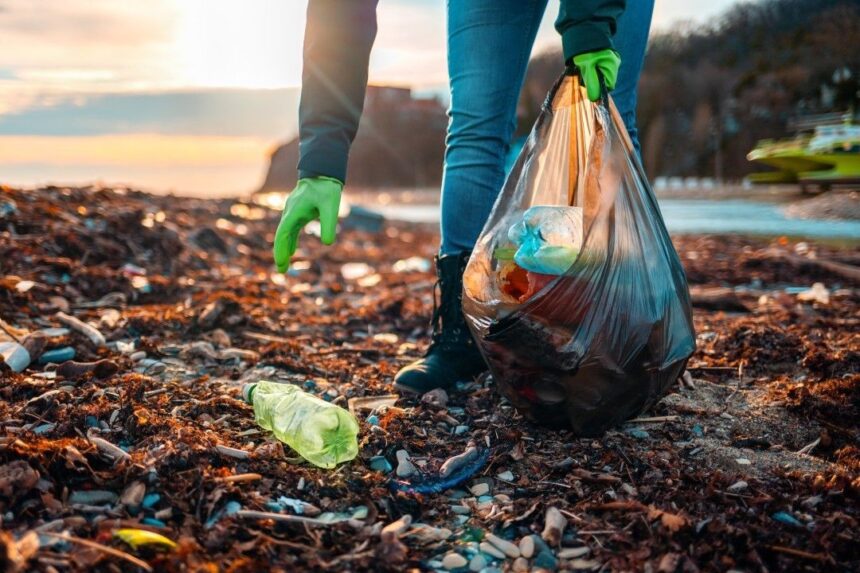
Community beach cleanups, river cleanups, litter collection, and professional waste-removal projects can remove plastic from the environment.
Cleanup efforts are most effective when combined with measures that prevent additional waste from entering ecosystems.
Education and Public Awareness
Education can help people understand how everyday consumption choices affect the environment.
Schools, businesses, community groups, and governments can promote information about responsible waste management, plastic reduction, recycling, and environmental protection.
Greater awareness can support long-term changes in behavior.
What Individuals Can Do
People can take several practical steps to reduce plastic pollution.
Using reusable products, avoiding unnecessary disposable items, purchasing products with minimal packaging, recycling according to local guidelines, and never intentionally littering can all help.
People can also support businesses and policies that prioritize waste reduction and responsible resource use.
The Future of Plastic Pollution
The future of plastic pollution will depend on how societies approach production, consumption, product design, and waste management.
Technological innovation can improve recycling and material recovery, while government policies can encourage more sustainable production.
At the same time, reducing unnecessary consumption and expanding reuse systems can prevent waste before it is created.
Conclusion
Plastic pollution is a complex environmental challenge affecting oceans, rivers, lakes, soil, wildlife, habitats, and communities. Large plastic debris can injure animals and damage ecosystems, while microplastics can spread widely through environmental systems.
Addressing the problem requires more than simply recycling. Governments, businesses, communities, and individuals all have roles to play in reducing unnecessary plastic consumption, improving waste collection, supporting reuse, developing better product designs, and preventing plastic from entering natural environments.
The most effective long-term solution is to move toward a more circular system in which products and materials are designed to remain useful rather than becoming waste after a short period.
Frequently Asked Questions
Why is plastic pollution harmful to the environment?
Plastic pollution can damage habitats, harm wildlife, contaminate ecosystems, contribute to marine debris, and introduce persistent plastic particles into soil and water.
How does plastic affect marine animals?
Marine animals may ingest plastic or become entangled in discarded plastic items such as fishing gear, bags, ropes, and packaging.
What are microplastics?
Microplastics are very small plastic particles, generally smaller than 5 millimeters. They can originate from the breakdown of larger plastic items or from products and industrial processes that release small plastic particles.
Does plastic pollution affect freshwater?
Yes. Rivers, lakes, and other freshwater environments can accumulate plastic waste and transport it between ecosystems.
Can recycling solve plastic pollution?
Recycling can help reduce waste, but it cannot solve the entire problem. Reducing unnecessary plastic production, increasing reuse, improving collection systems, and designing recyclable products are also important.
How does plastic contribute to climate change?
Plastic production depends heavily on fossil-fuel-based resources, and manufacturing, transportation, and disposal can generate greenhouse gas emissions.
What can individuals do to reduce plastic pollution?
Individuals can reduce disposable plastic use, choose reusable products, avoid unnecessary packaging, dispose of waste correctly, and follow local recycling guidelines.
What can businesses do?
Businesses can reduce unnecessary packaging, develop reusable systems, increase recycled content where appropriate, improve product design, and invest in responsible waste-management practices.
Why is plastic difficult to remove from the environment?
Plastic can be lightweight, durable, and easily transported by wind and water. Once it breaks into small particles, collecting it becomes particularly difficult.
What is the best long-term solution to plastic pollution?
The strongest long-term approach combines reducing unnecessary plastic use, increasing reuse, improving waste-management infrastructure, designing products for circularity, expanding responsible recycling, and preventing plastic waste from entering the environment.