

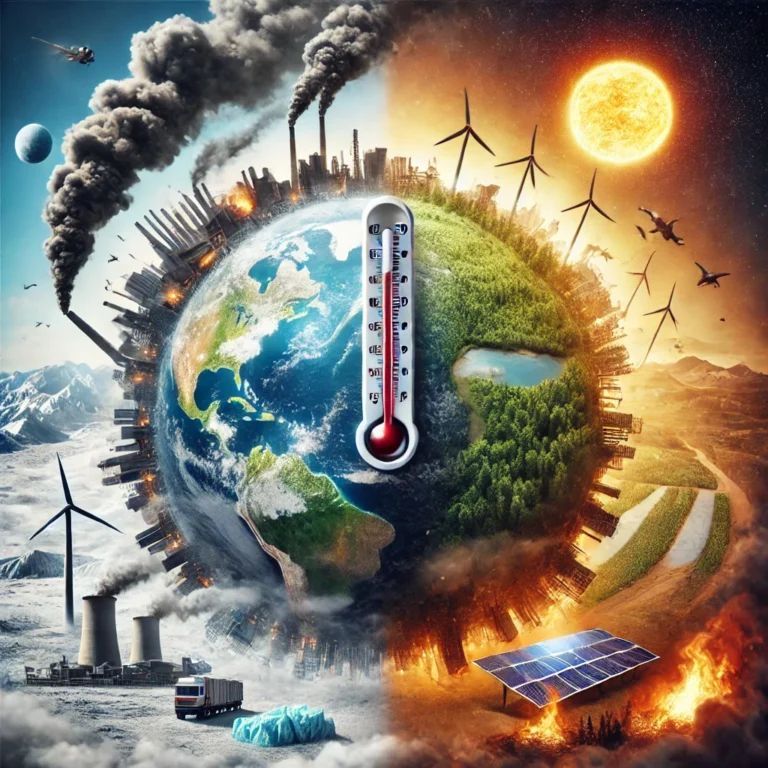
Climate change is a term we hear often, but what does it really mean? It’s more than just an environmental issue; it’s a global crisis that impacts every aspect of our lives. From melting ice caps to rising sea levels, the effects are visible and alarming. As temperatures rise and weather patterns shift, we can no longer afford to ignore this pressing challenge.
Understanding climate change is essential for everyone—from policymakers to everyday individuals. The choices we make today will shape the world for future generations. Let’s explore the causes behind this phenomenon, its far-reaching consequences on our planet and societies, and how each one of us can play a role in combating it. Welcome aboard as we delve into the urgent reality of climate change!
Causes of Climate Change
Climate change emerges from a combination of natural processes and human activities. At the forefront is the burning of fossil fuels, such as coal, oil, and gas. This releases carbon dioxide into the atmosphere.
Deforestation also plays a significant role. Trees absorb CO2, so when we cut them down for agriculture or urban development, we diminish nature’s ability to regulate greenhouse gases.
Agriculture contributes further through methane emissions from livestock and rice production. Industrial activities release various pollutants that trap heat in our atmosphere.
Additionally, waste management practices lead to harmful emissions as organic materials decompose in landfills.
Together, these causes create an imbalance that leads to rising temperatures and altered weather patterns worldwide. Understanding these factors is crucial for effective solutions moving forward.
Effects of Climate Change on the Environment
Climate change significantly disrupts natural ecosystems. Rising temperatures lead to habitat loss for countless species. Coral reefs, often referred to as the rainforests of the sea, are particularly vulnerable. Increased ocean acidity from absorbed CO2 threatens their survival.
Moreover, shifting weather patterns result in extreme events, such as hurricanes and droughts. These conditions can destroy habitats, forcing wildlife into smaller areas or even extinction.
Melting ice caps contribute to rising sea levels, affecting coastal ecosystems and communities alike. Wetlands that serve as crucial buffers against storms become compromised.
Forests face increased risks too; pests thrive in warmer climates while wildfires become more frequent and intense. This not only affects biodiversity but also contributes more carbon back into the atmosphere.
The interconnectedness of these environmental issues reveals a complex web where each impact amplifies others—making recovery increasingly difficult for our planet’s delicate systems.
Impact on Global Economies and Societies
Climate change significantly disrupts global economies and societies. Extreme weather events, such as hurricanes and droughts, lead to enormous financial losses. Countries face damage to infrastructure and increased costs for recovery efforts.
Agriculture is particularly vulnerable. Crop yields fluctuate due to unpredictable weather patterns, affecting food supply chains worldwide. This can cause food prices to soar, hitting the most vulnerable communities hardest.
Moreover, displacement due to rising sea levels creates climate refugees. These individuals often seek asylum in urban areas already strained by resources. Such migrations put pressure on housing, healthcare systems, and local economies.
Additionally, industries reliant on natural resources face existential threats as ecosystems degrade. Fishing communities struggle with diminishing stocks while tourism suffers from eroded beaches and declining wildlife.
The ripple effect of these changes fosters social unrest and economic instability globally. Nations must grapple not only with environmental concerns but also the broader implications for societal well-being.
Efforts Towards Mitigating Climate Change
Around the globe, countries are stepping up to tackle climate change. Many nations have set ambitious targets for reducing greenhouse gas emissions. Agreements like the Paris Accord unite governments in a shared mission.
Innovation plays a crucial role in these efforts. Renewable energy sources like solar and wind power are gaining traction. Technology is evolving rapidly, making clean energy more accessible and affordable.
Cities are also getting involved by implementing green policies. Urban areas promote public transportation and cycling to cut down on carbon footprints. Green spaces are being prioritized, improving air quality while enhancing community wellbeing.
Businesses too recognize their responsibility. Sustainable practices in manufacturing and supply chains lead to lower environmental impact. Corporate commitments to reduce waste showcase the shift towards eco-friendliness.
Grassroots movements amplify voices calling for action on climate issues as well, bringing communities together through education and advocacy initiatives that inspire change at all levels.
How Individuals Can Help Combat Climate Change
Every small action counts in the fight against climate change. Start by reducing your energy consumption. Simple changes, like switching off lights and unplugging devices when not in use, can make a difference.
Consider your transportation choices. Walk, bike, or use public transport whenever possible. Carpooling is another great way to cut down on emissions while connecting with others.
Reducing waste is equally important. Opt for reusable bags, bottles, and containers to minimize single-use plastics. Composting organic waste also helps reduce greenhouse gas emissions from landfills.
Support local farmers by purchasing seasonal produce from farmers’ markets. This not only fuels the local economy but also reduces carbon footprints associated with long-distance food transport.
Educating yourself and spreading awareness within your community can amplify efforts toward sustainability. Share knowledge about eco-friendly practices with friends and family to inspire collective action against climate change.
Conclusion: The Urgency for Action in the Face of Climate Change
The urgency for action in the face of climate change cannot be overstated. We are at a pivotal moment where every choice we make carries weight. The science is clear, and the consequences are becoming increasingly apparent.
Communities around the world are already feeling the effects: rising sea levels threaten coastal towns, extreme weather events disrupt lives, and ecosystems struggle to adapt. This isn’t just an environmental issue; it’s a societal challenge that affects health, food security, and economic stability.
Collective efforts from governments, businesses, and individuals can create significant change. Legislative measures aimed at reducing carbon emissions are essential but must be accompanied by grassroots initiatives that empower local communities to take meaningful steps toward sustainability.
Every small action contributes to a larger movement—a shift towards recognizing our role as stewards of this planet. From reducing waste to supporting renewable energy sources or advocating for policy changes, there’s no shortage of ways people can get involved.
As we confront climate change head-on, let’s embrace innovation and cooperation. Our choices today will shape tomorrow’s world—let’s ensure it’s one that thrives in harmony with nature rather than against it.